In this story · 6 sections
Abba occupies a former paintbrush factory on Via Varesina, in the Certosa District, the belt of reconverted industrial sheds north-west of Milan's centre where independent restaurateurs have been setting up since 2023. Chef-owner Fabio Abbattista, who trained in London brigades before spending a decade running the kitchen at L'Albereta Relais & Châteaux in Franciacorta, opened the restaurant in the summer of 2024 inside the gutted brush works. Just over a year later, on 19 November 2025 at Parma's Teatro Regio, the project was given its first distinction: Abba holds One MICHELIN Star. Behind eight well-spaced tables and a kitchen left open to the dining room, Abbattista cooks a menu built around two tasting routes, 10 Passi and 12 Passi, in which a single ingredient is almost always left to carry the dish. For a chef who had already watched a star land on a kitchen he ran as someone else's second-in-command, this one, he says, belongs to a project built entirely on his own terms.
Abba
Restaurant · Certosa District
© OpenStreetMap contributors · OpenFreeMap
- Address
- Via Varesina 177, 20156 Milano
- Cooking
- Contemporary, Creative
- Chef
- Fabio Abbattista
- Run by
- Fabio Abbattista (chef-owner)
- MICHELIN Guide
- One MICHELIN Star
- Price
- Abba...stanza quick menu €80
- Open
- Tue–Sat, 12.30–14.00 & 19.30–22.00
- Covers
- 8 tables
- Setting
- Former paintbrush factory, Certosa District
- Telephone
- +39 02 8568 9735
- Website
- ristoranteabba.com
Fabio Abbattista's eight-table restaurant in a reconverted brush works, awarded a MICHELIN Star in November 2025.
01The room and the setting
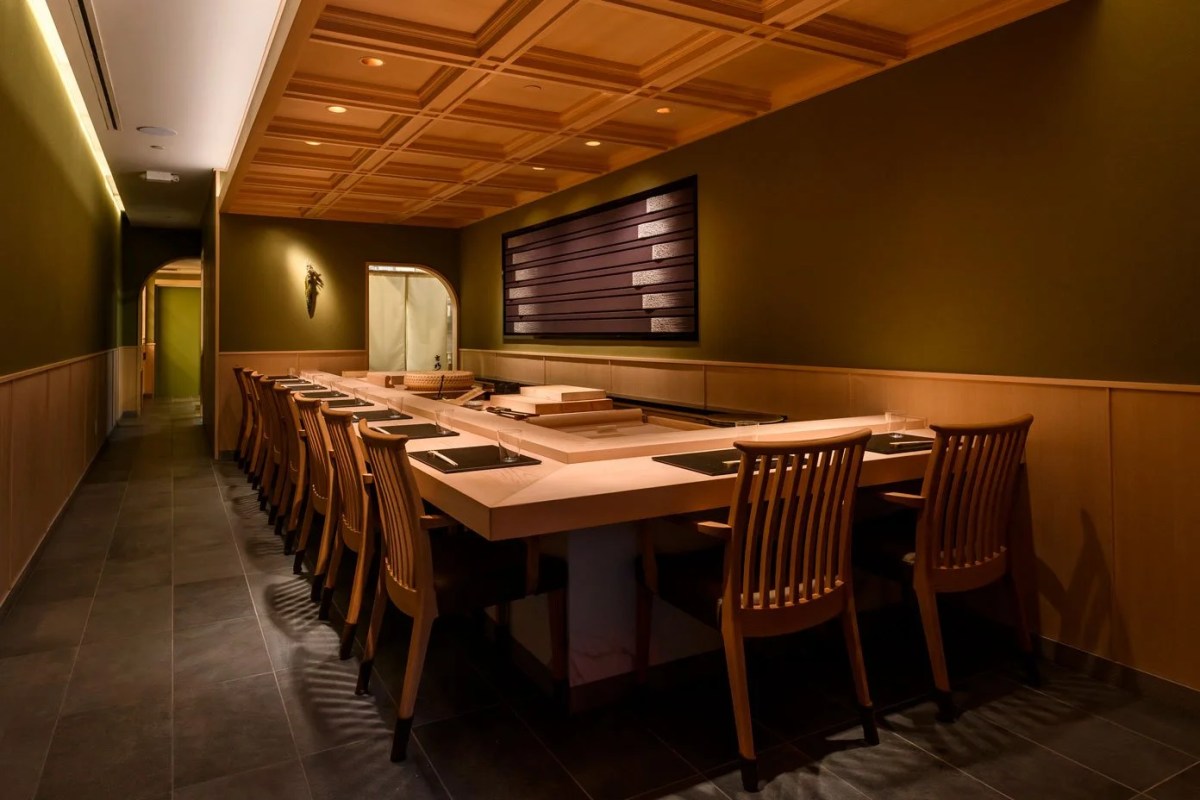
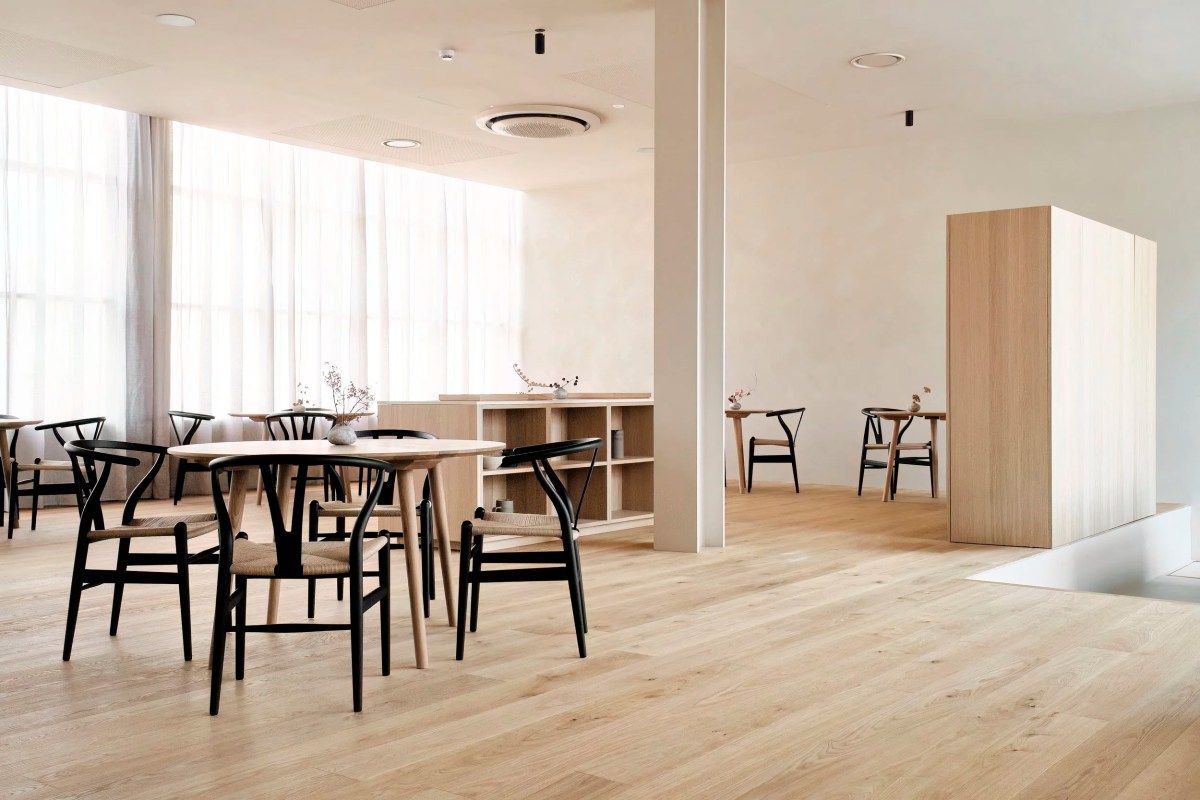
The building was a pennellificio, a workshop that once produced paintbrushes, before Abbattista and architect Giulio Marchesi stripped it back to open the restaurant in 2024. The former brush factory was chosen to let the kitchen sit integrated into the dining room, without barriers, thanks to the work of architect Giulio Marchesi. The result is an essential but technically rigorous dining room, with an open kitchen built into the room itself, a concrete way of dissolving the line between those who cook and those who eat.
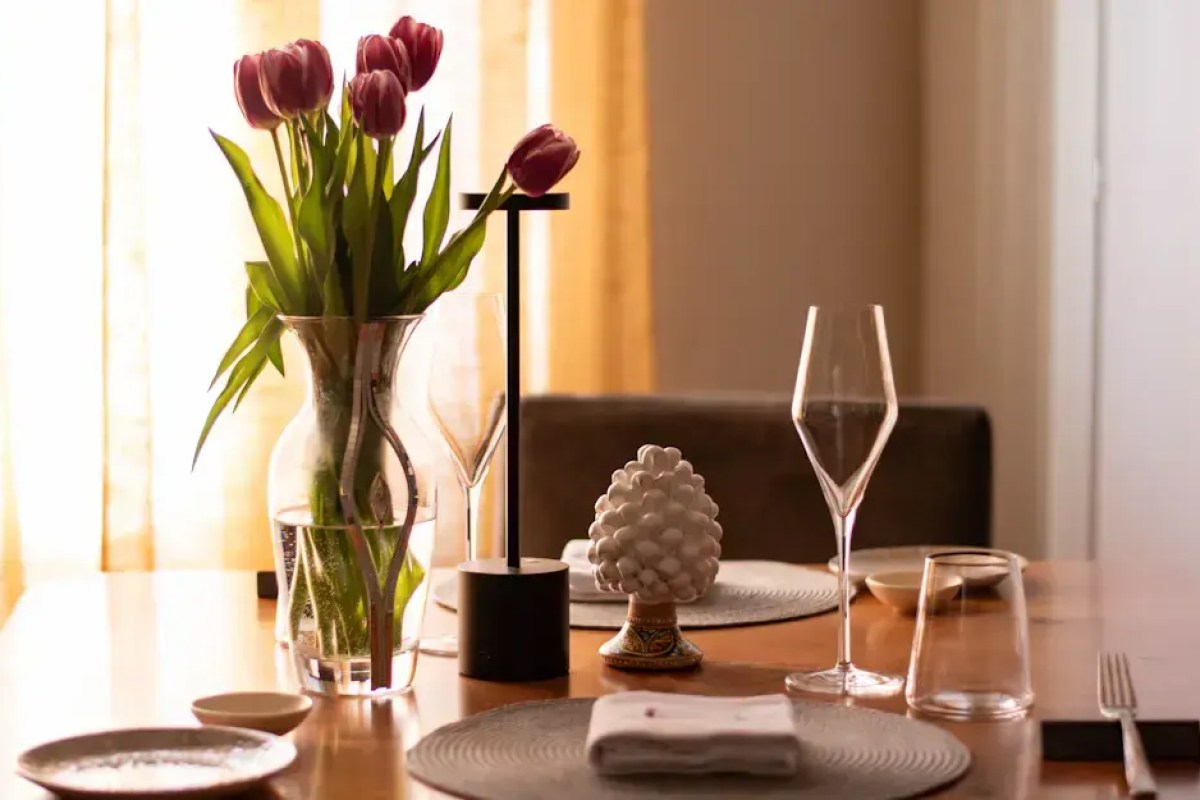
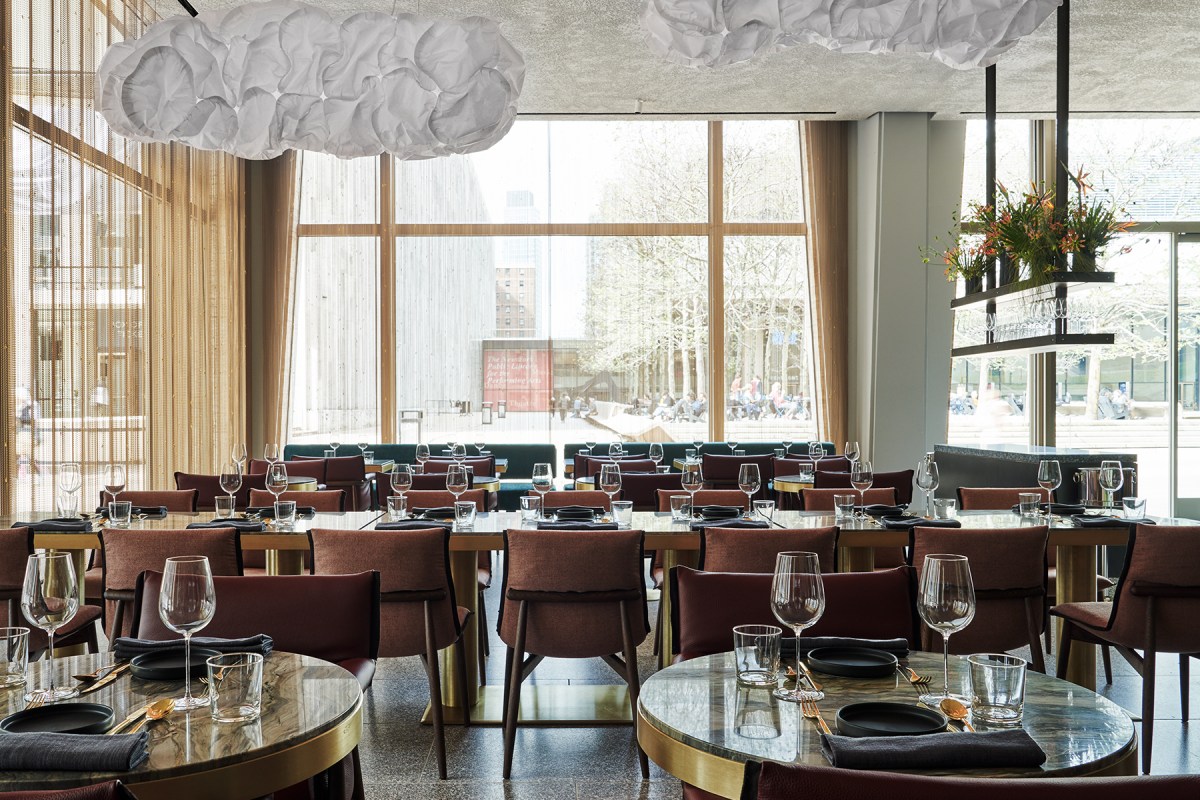
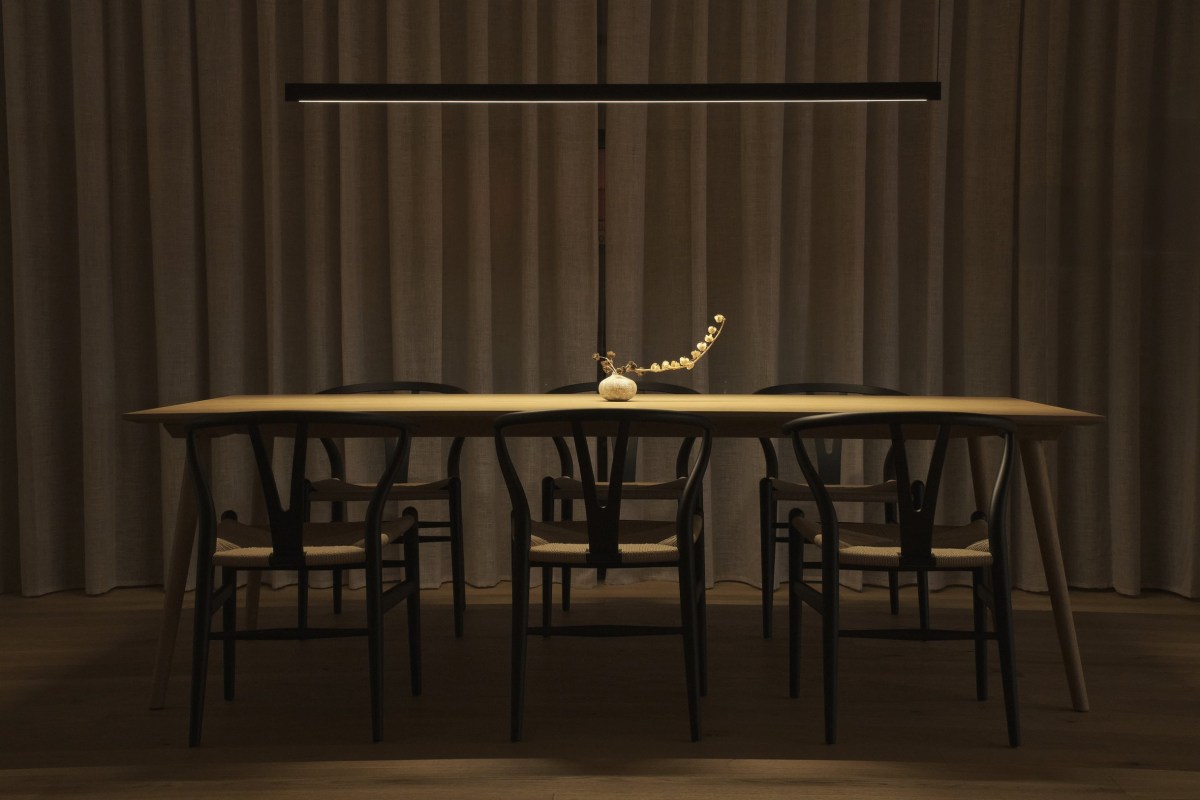
The dining room runs on large windows and a palette of earth, sand and wood, a scheme the chef treats as an extension of his own cooking philosophy of restraint and respect for natural materials and their own rhythms. In the evening the same room is meant to turn inward, becoming hushed and private. In the heart of Milan's Certosa District, Abba occupies a former brush factory and welcomes guests with Nordic elegance: an open kitchen, only eight well-spaced tables, minimalist furnishings, and natural light streaming through large windows.
02The chef
Fabio Abbattista grew up in Molfetta, on the Puglian coast, and trained at Bari's Perotti hospitality institute before leaving Italy for a run of demanding kitchens. He describes beginning at Rome's Hilton, then almost immediately travelling: in England he worked at the starred Halkin, where Gualtiero Marchesi had once consulted with chef Stefano Cavallini, then at Le Gavroche under Michel Roux and at the twice-starred The Square under Philip Howard. Back in Italy he joined Fabio Baldassarre's Altro Mastai, followed a spell in Athens, then opened Unico with Baldassarre; he was later chosen by the Moretti family to lead the kitchen at L'Albereta.
Insider tipOpen Tuesday to Saturday for lunch and dinner only; closed Sunday and Monday.
He had already joined the opening team at Unico in Milan in 2011 as senior sous-chef, a restaurant that earned a MICHELIN Star in 2012 under Baldassarre. A decade followed at Leone Felice, inside L'Albereta Relais & Château in Franciacorta, before Abbattista struck out alone. He finally achieved the dream every cook carries, opening his own restaurant in August 2024 inside a former paintbrush factory in a neighbourhood then still being redeveloped. On the strength of that first year, he has said this star carries a different value, built step by step, entirely on his own, without backers or concessions.
03The cooking
Abba's cooking celebrates the excellence of its raw ingredients: the ingredient itself is the protagonist, treated with an identity that respects its origin while being shaped by techniques and influences drawn from around the world. It is a kitchen built on subtraction rather than addition, where ethics and aesthetics are held together in every dish, and a French technique, refined across international kitchens, is put entirely at the service of flavour.
The two tasting menus are built as a single arc rather than a list of plates. Abba offers two degustation routes, 10 Passi and 12 Passi, built with rigour and method, each dish preparing the guest for the next in a naturally coherent progression. Throughout, Puglia resurfaces quietly: focaccia is always brought to the table alongside the bread, a taste of Puglia that evokes the chef's own roots.
04What to order
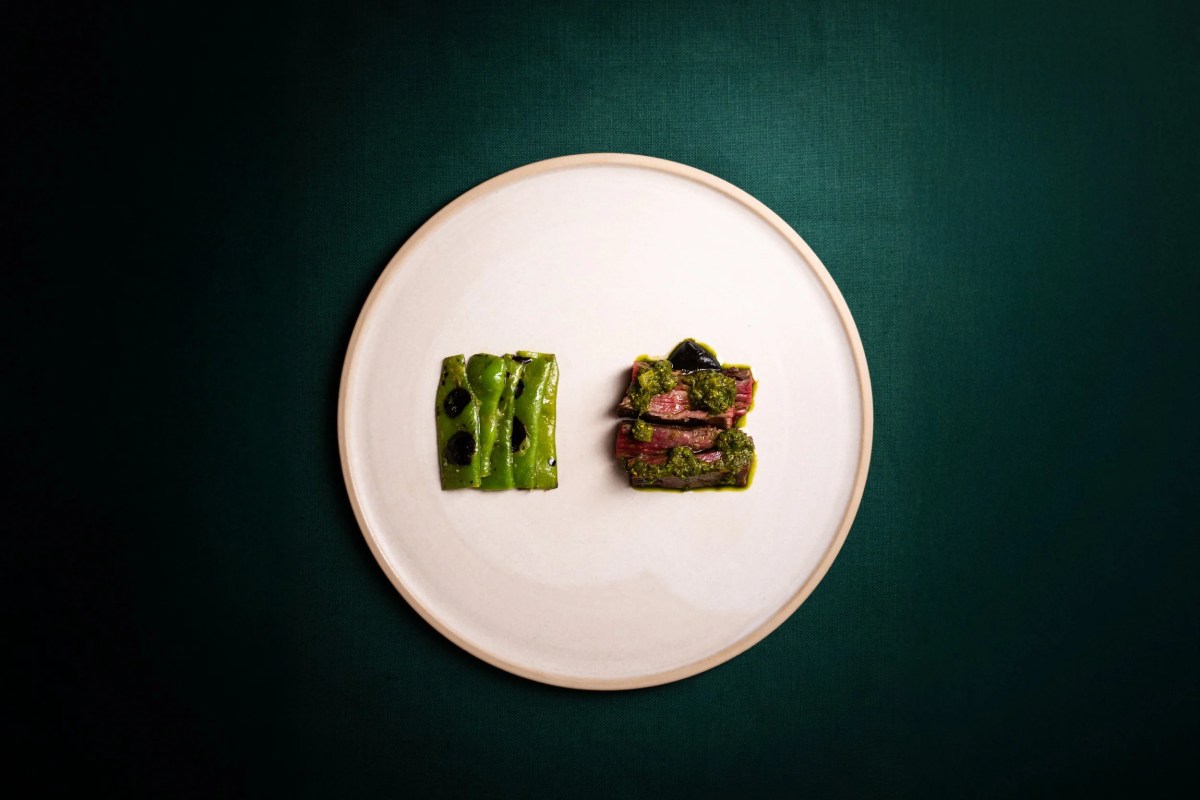
The shorter 10 Passi (140 euro, service and cover included, read on the restaurant's own menu in October 2026) runs from a root vegetable salad with corn béarnaise through a crab-and-mushroom tortilla, cuttlefish with Jerusalem artichoke, and a pumpkin-and-seed risotto, to a chargrilled beef bavette and a zigolo soufflé with hazelnut-butter ice cream, closing with a sweet focaccia of pear, chocolate and carob.
The longer 12 Passi (160 euro) keeps that spine and adds a Zollino pea tempeh, chestnut passatelli with mushrooms and roast potato, grilled turbot with sea snails, and lacquered duck with quince, alongside a lemon-thyme gelato before the same closing focaccia. For a faster visit, the Abba...stanza menu distils four dishes representative of Abbattista's cooking plus the sweet focaccia for 80 euro.
Don't miss
Don't miss
- 01
The pumpkin-and-seed risotto on the 10 Passi menu
- 02
The lacquered duck with quince on the 12 Passi route
- 03
The zigolo soufflé with hazelnut-butter ice cream
- 04
The closing sweet focaccia with pear, chocolate and carob
- 05
The open kitchen built directly into the eight-table dining room
05Wine and drinks
The wine list is essential but carefully curated, with some natural and organic options. Both tasting menus can be matched with a four-glass pairing for 60 euro or a six-glass pairing for 80 euro, prices quoted on the restaurant's own menu in October 2026.
06The neighbourhood
Abba sits in the Certosa District, the stretch of former industrial sheds and warehouses north-west of central Milan that has been quietly reinventing itself as a destination for independent, chef-led restaurants rather than chains. It is a deliberate choice: Abbattista has spoken of coming here precisely because it sits away from the city's most travelled routes, drawn by the area's regeneration and the freedom it offered to build something entirely his own. The restaurant is open Tuesday to Saturday, for lunch from 12.30 to 14.00 and dinner from 19.30 to 22.00, and closed on Sundays and Mondays.