In this story · 6 sections
On Sandkaj, the quay that curls around Nordhavn's inner harbour, akmē occupies a boxy brick building that gives nothing away from outside. The restaurant sits on the ground floor of a brick residential block in this former industrial waterfront district, the kind of address most people would walk straight past. Behind the door is a counter for sixteen, run by two chefs, Emil Hassan Lyngbæk and Valdemar Junge Norvang, who met cooking together at the MICHELIN-Starred Sushi Anaba, whose original room this still is. They opened akmē here in February 2025, building an omakase menu of around twenty courses that moves between Japanese technique and French tradition, worked through Danish produce. It holds one MICHELIN Star, awarded in the Guide's 2026 Nordic selection less than a year after the doors opened, a fast rise for two chefs running their own counter for the first time.
akmē
Restaurant · Nordhavn
© OpenStreetMap contributors · OpenFreeMap
- Address
- Sandkaj 39, 2150 Copenhagen
- Cooking
- Japanese-French fusion omakase
- Chef
- Emil Hassan Lyngbæk & Valdemar Junge Norvang
- Run by
- Emil Hassan Lyngbæk & Valdemar Junge Norvang
- MICHELIN Guide
- One MICHELIN Star
- Tasting menu
- 1,300 DKK (shorter) / 1,500 DKK (set menu)
- Price
- Special occasion
- Covers
- 16 seats: counter plus adjoining room
- Setting
- Japandi-style room, former Sushi Anaba site
- Nearest station
- Orientkaj (Metro M4)
- Telephone
- +45 31 63 74 73
- Website
- akme.dk
akmē runs an omakase counter in Sushi Anaba's old harbourfront room, now holding one MICHELIN Star.
01The room and the setting
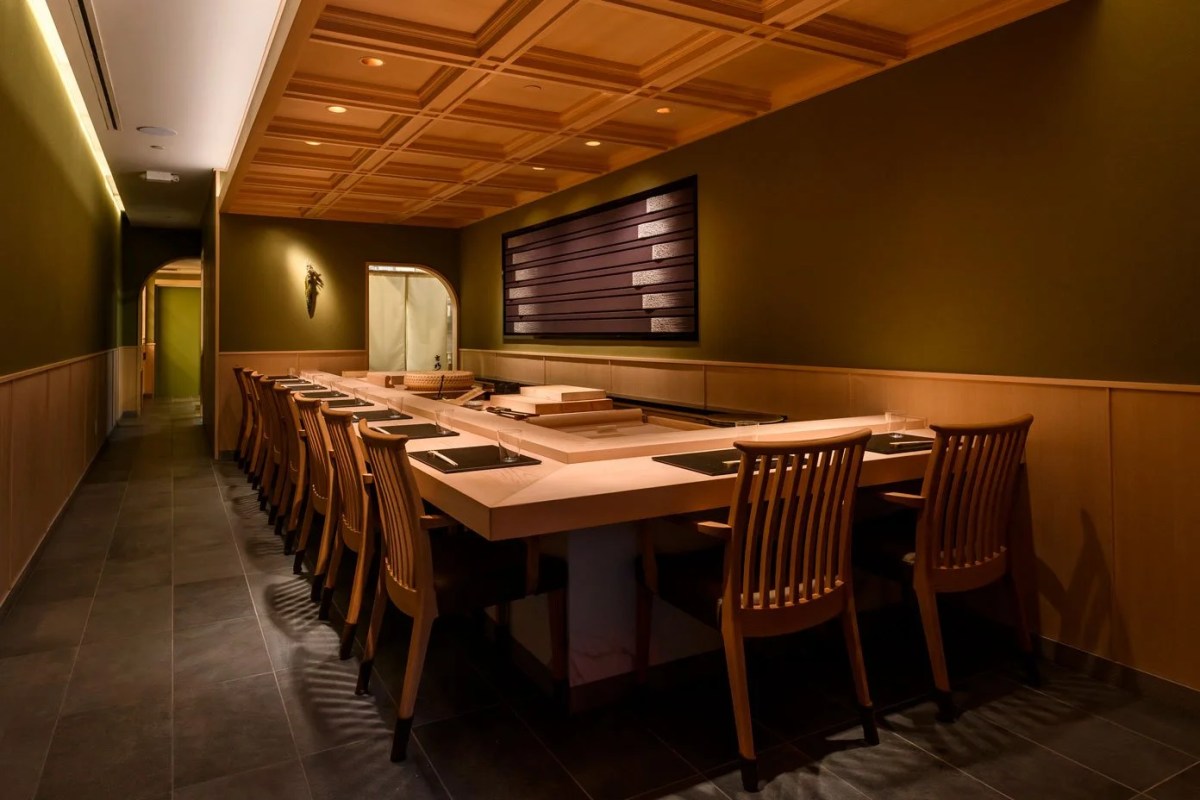
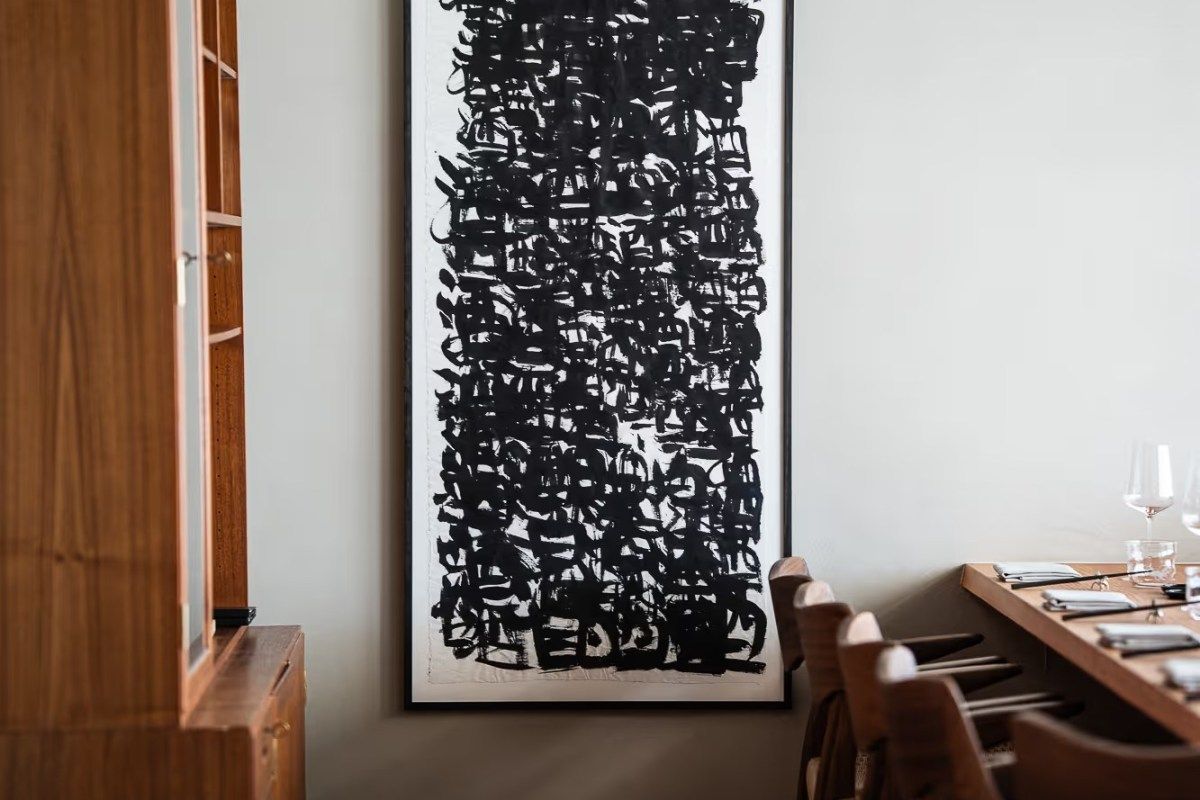
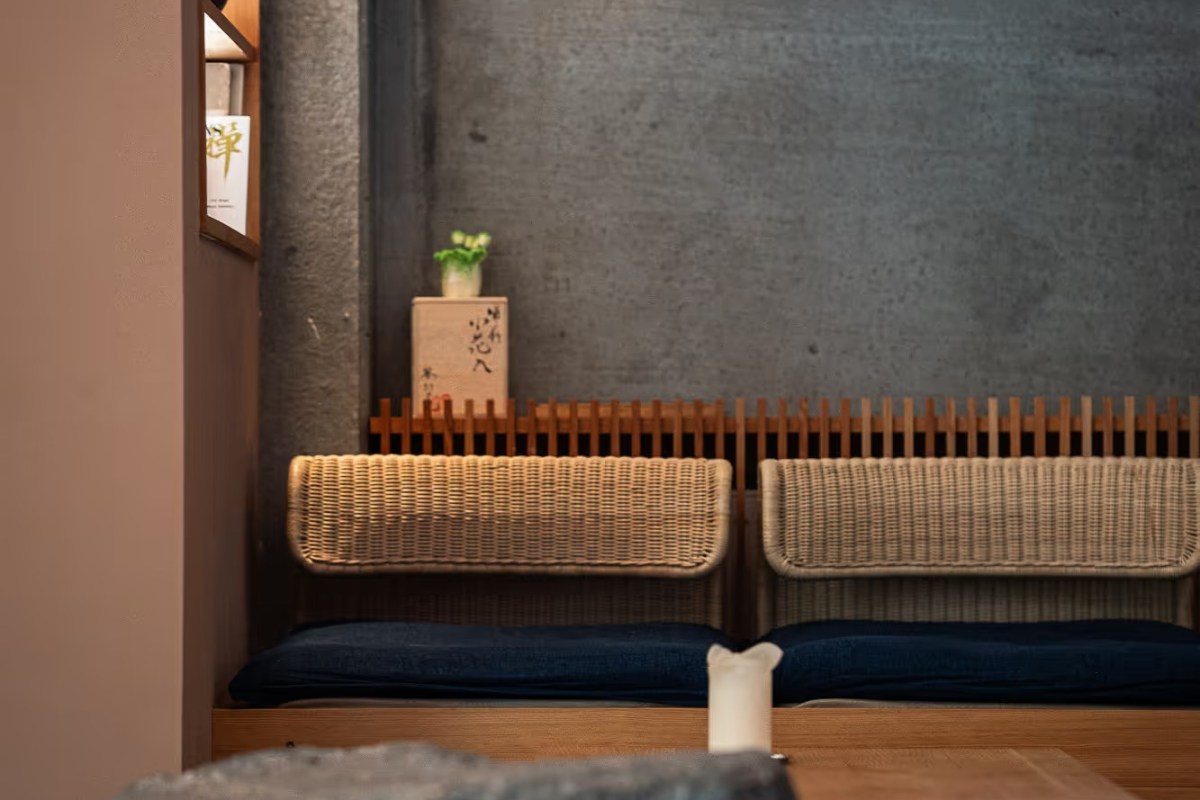
Step past the brick facade and the room is smaller than the address suggests. Step inside, though, and you'll find a shoebox-sized space with just two tables and a chef's counter with windows overlooking the harbor. The interior, designed by SON collaborator Thomas Lykke, leans Japandi: a beautiful, minimalist style, where wood, light tones and a calm atmosphere create a natural frame for the meal and allow the gastronomy to stand out.
Counting every place, the room holds sixteen covers in total. With just 16 seats, a counter and eight additional covers in the adjoining room, Ākme delivers an intimate and immersive experience few can match in Denmark. It is close-quarters dining by design: dishes unfold before your eyes as the kitchen slices, brushes, arranges, a choreography of quiet concentration in the service of excellence.
02The chefs
Ākme occupies the space where Mads Battefeld's Sushi Anaba originally stood before relocating elsewhere in the neighborhood, and both of akmē's chefs learned their trade in that earlier kitchen. Emil Hassan Lyngbæk and Valdemar Junge Norvang also spent time at Jordnær, Domestic, Barr, Sushi Anaba, & more before deciding to build something of their own on the same quay.
Insider tipBook ahead; reach it via Orientkaj metro station, a short walk along the Sandkaj waterfront.
The lineage shows in how the project is framed: the restaurant is a younger sister to Sushi Anaba, run by two chefs who previously worked there. The move from employee to owner happened fast, and the MICHELIN Guide now describes the pair as Chefs Emil Hassan Lyngbæk and Valdemar Junge Norvang, having worked together at MICHELIN-Starred Sushi Anaba, showcasing their love for Japanese cuisine once again at this 16-seater counter.
03The cooking
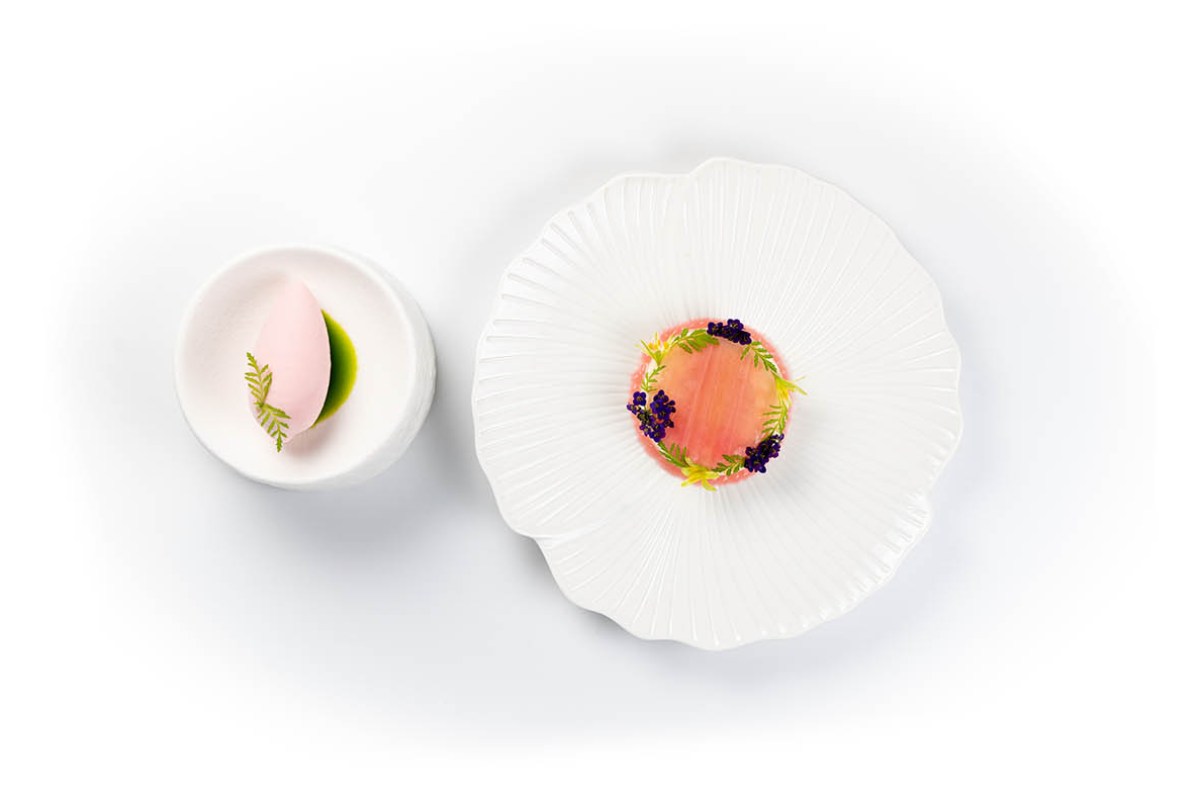
The format stays omakase, but the references run wider than a sushi counter. The cooking lets Japan meet French craft through Danish produce: dashi, shiso, yuzu, koji rice, panisse, sauces and precise seafood. It is fusion without theatre, built course by course around whatever the market offers that week.
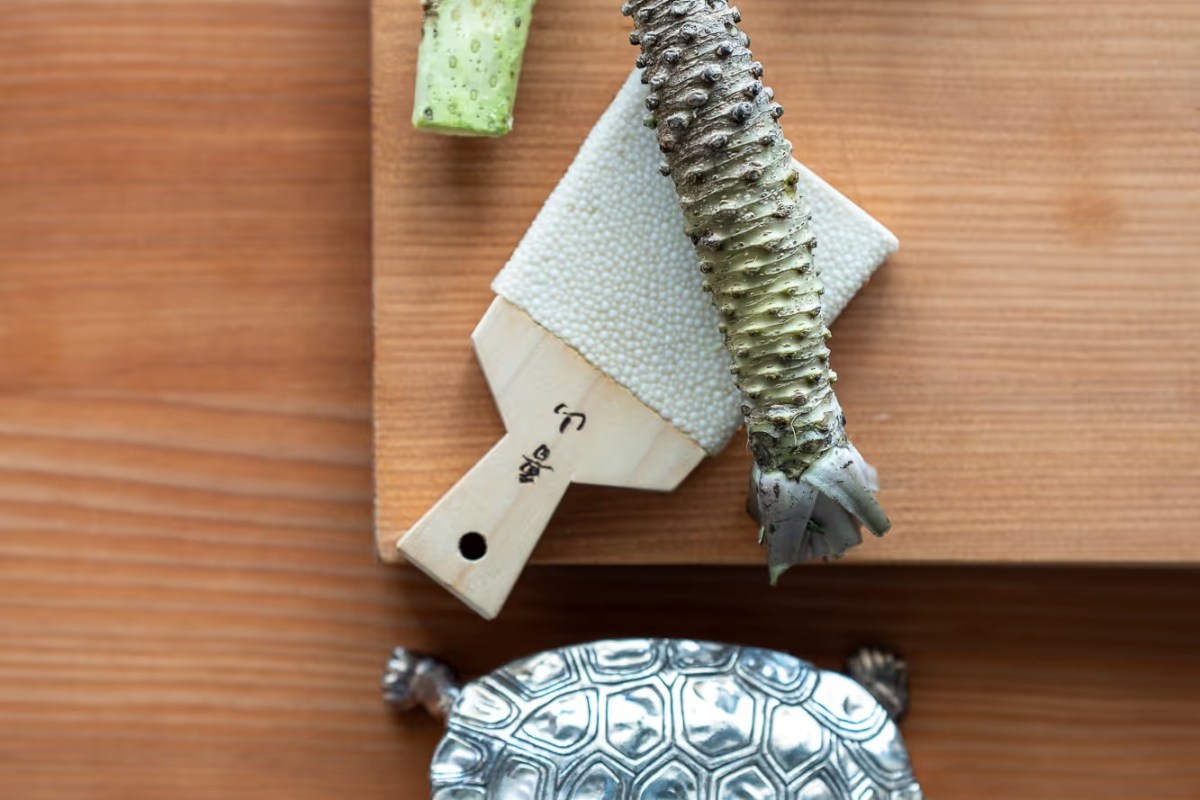
Among the dishes the Guide's own inspectors have picked out are langoustine with a superbly executed bisque sauce and a plate pairing Portuguese bluefin tuna with Breton oyster, watercress and wasabi, a direct handshake between two culinary cultures on one plate. Game turns up too: a serving of canette with mushrooms channels the smoky depth of a yakitori grill, while a pepper sauce with exotic undertones reinforces the nod to Japan.
04What to order
The kitchen does not offer vegetarian or vegan versions, though it can accommodate pescatarian and lactose-free diets; coeliac guests and those with severe fish or shellfish allergies cannot be catered for, given the reliance on soy sauce, miso and seafood stock running through the courses.
Don't miss
Don't miss
- 01
Poached and grilled langoustine with a bisque sauce
- 02
Portuguese bluefin tuna with Breton oyster, watercress and wasabi
- 03
Canette with mushrooms and a yakitori-style pepper sauce
- 04
A seat at the counter itself, facing straight into the kitchen
- 05
The restaurant's low-intervention wine list
05Wine and drinks
The list runs small and considered rather than encyclopaedic. This Japanese-inspired counter in Nordhavn has quickly become one of Copenhagen's most coveted tables, delivering precise, minimalist cooking alongside a tightly curated selection of low-intervention wines. It is the kind of pairing built to sit quietly behind the food rather than compete with it, which suits a kitchen working in dashi, yuzu and butter sauces in the same breath.
06The neighbourhood
Nordhavn has turned, within a few years, from working harbour into one of Copenhagen's more interesting dining postcodes. Nordhavn has become one of Copenhagen's most interesting dining neighborhoods, home to venues like Sushi Anaba, Vie, and Matt Orlando's Esse alongside akmē. Sushi Anaba itself now trades from a new address nearby, having handed its original harbourfront room to the two chefs it trained.
Getting there is straightforward by metro. akmē is most easily reached from central Copenhagen by Metro Line M4, which runs from Copenhagen Central Station and Kongens Nytorv, with Orientkaj station placing visitors within walking distance of the Sandkaj waterfront. Arrive a little early and the walk along the quay, past the container cranes and new housing blocks, is part of the point.