In this story · 6 sections
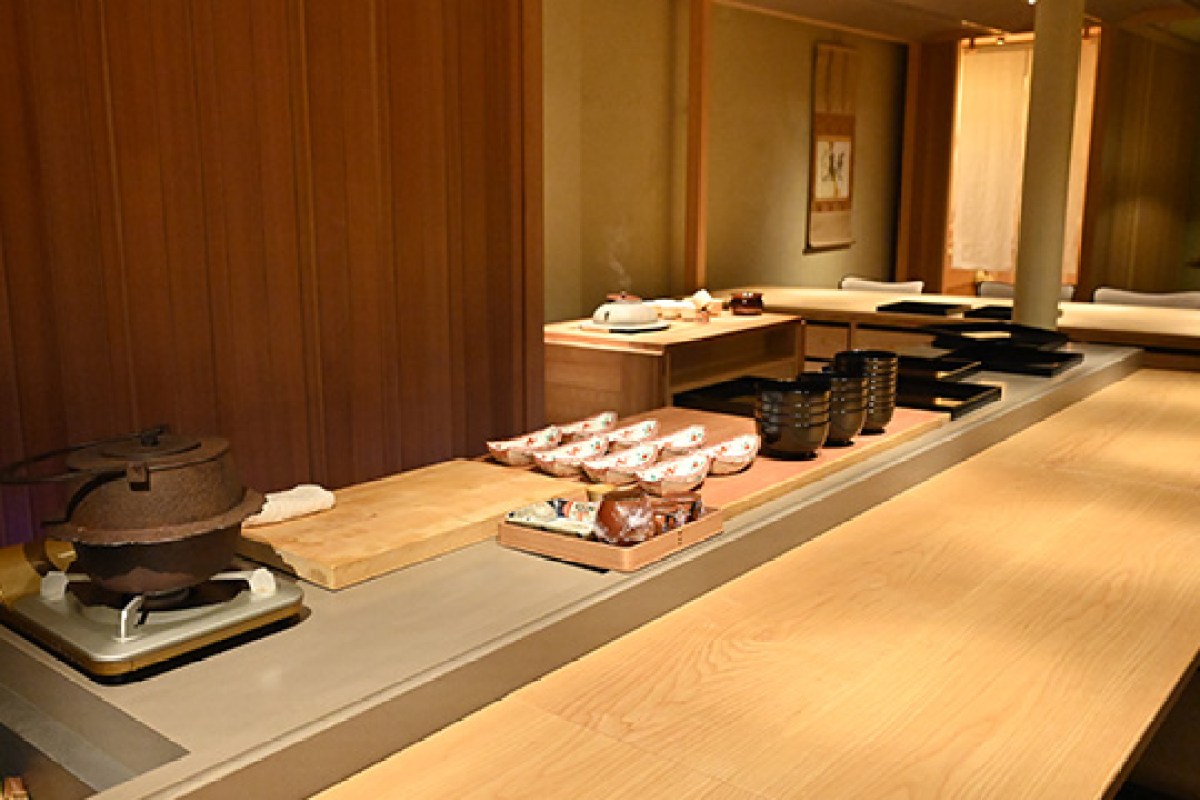
Behind a low wooden façade on a quiet street in the 15th arrondissement, a few minutes from the Eiffel Tower, Chakaiseki Akiyoshi opened in January 2023 as France's first restaurant devoted to the traditional Japanese tea ceremony. It holds one MICHELIN Star, earned within a year of opening. Behind a counter built by Japanese sukiya carpenters, in a room designed to feel like a Kyoto teahouse rather than a Paris dining room, chef Yuichiro Akiyoshi cooks a monthly-changing omakase that follows the old choreography of chakaiseki, the meal once served to guests before they were given tea. The restaurant seats only sixteen, and the evening ends the way the form demands: with a bowl of matcha, whisked by the chef himself, placed before each guest with its finest side turned to face them.
Chakaiseki Akiyoshi
Restaurant · 15th arrondissement
© OpenStreetMap contributors · OpenFreeMap
- Address
- 59 rue Letellier, 75015 Paris
- Cooking
- Japanese – chakaiseki (tea-ceremony kaiseki)
- Chef
- Yuichiro Akiyoshi
- Run by
- Yuichiro & Misuzu Akiyoshi
- MICHELIN Guide
- One MICHELIN Star
- Tasting menu
- Monthly omakase, lunch & dinner
- Price
- Lunch €200–220 / Dinner €300–320
- Covers
- 16
- Setting
- Sukiya-style teahouse, counter & table
- Nearest station
- La Motte-Picquet–Grenelle (M6, 8, 10)
- Website
- chakaiseki-akiyoshi.fr
France's only restaurant built entirely around the chakaiseki tea-ceremony meal, run by chef Yuichiro Akiyoshi and his wife Misuzu.
01The room and the setting
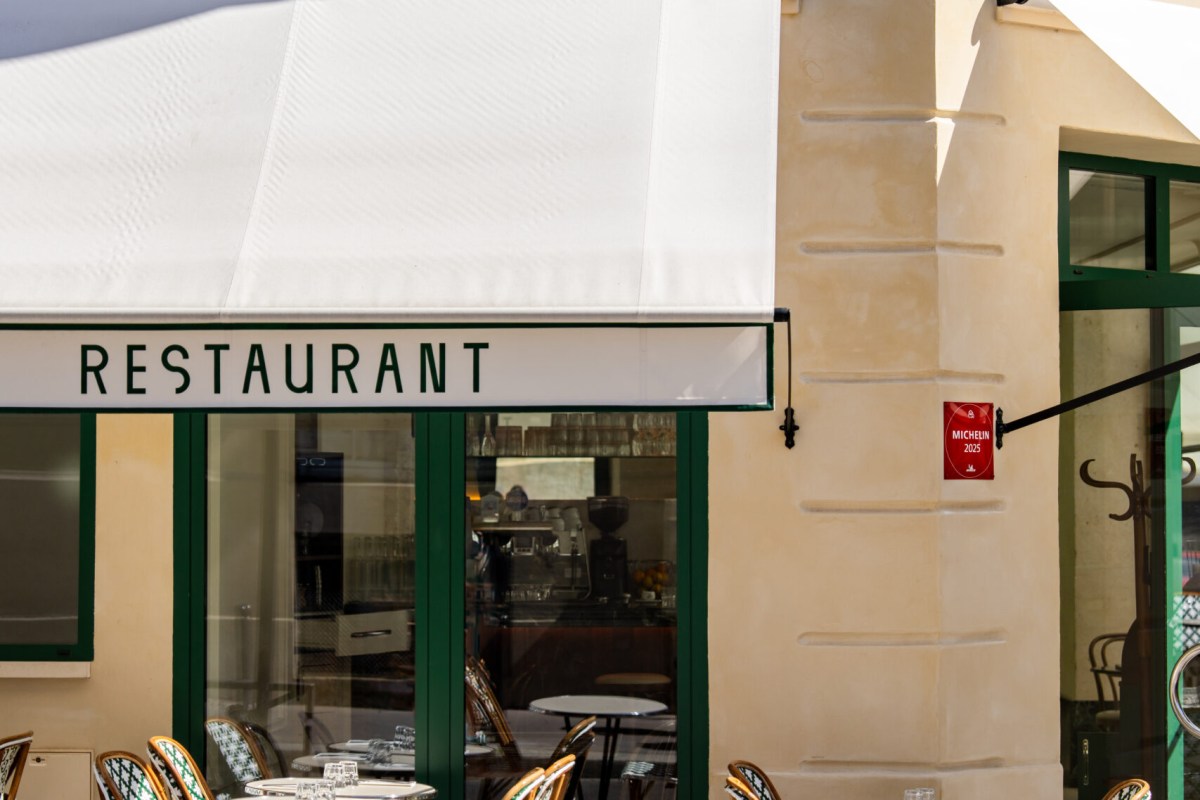
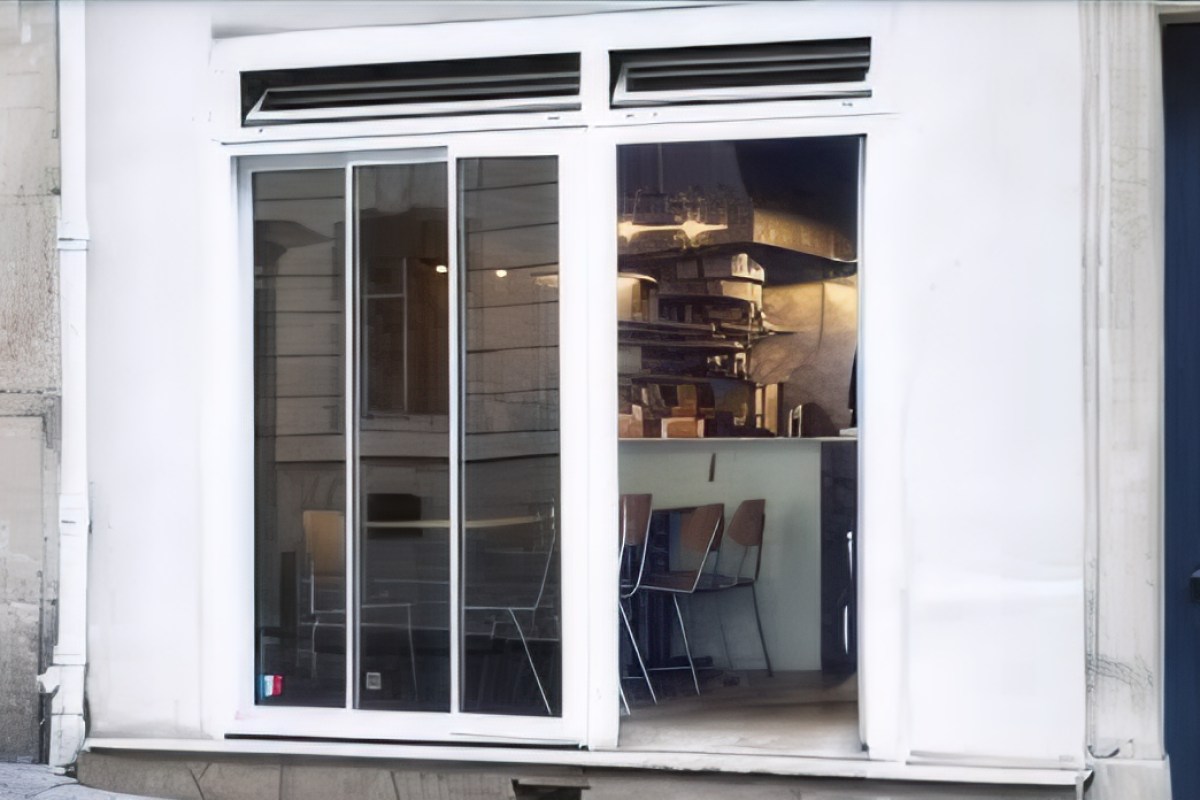
Everything inside Chakaiseki Akiyoshi was built by Japanese sukiya carpenters, the craftsmen who traditionally raise tea houses, and the effect is deliberate: step through the door and Paris disappears. Guests choose between the chef's counter, where every cut and plating happens at arm's length, a second counter angled for watching the tea ceremony itself, and a table for larger groups. The restaurant seats just 16, tucked away behind an unassuming-looking wooden façade on rue Letellier.
The chef's wife, Misuzu Akiyoshi, works the room in a kimono, handling the hospitality side of a meal in which host and guest are meant to be equally attentive to one another. The address itself has history in the neighbourhood: before Akiyoshi took it over at the end of January 2023, the same rooms belonged to the restaurant Justine et Camille.
02The chef
Yuichiro Akiyoshi trained for ten years at Hyotei, one of Kyoto's great three-starred restaurants and, by his own account, a house that began life 450 years ago as a tea house before it became a kitchen. From there he moved to Paris as head chef at the OECD ambassador's official residence, cooking Japanese food for three years before returning to Japan, where he opened a restaurant at AIC Akitsushima in Kyoto, worked as head chef in a high-end ryokan, and travelled the country as an itinerant chef. During those years he also founded the ramen restaurant Tanrei Ramen Meikyô Shisui in Fukuoka. He came back to Paris after the pandemic to open Chakaiseki Akiyoshi, bringing with him not only ten years of kaiseki training but also qualifications as a tea master, a sake sommelier and an ikebana practitioner.
Insider tipOne lunch and one dinner seating daily; reservations essential; menu changes monthly.
03The cooking
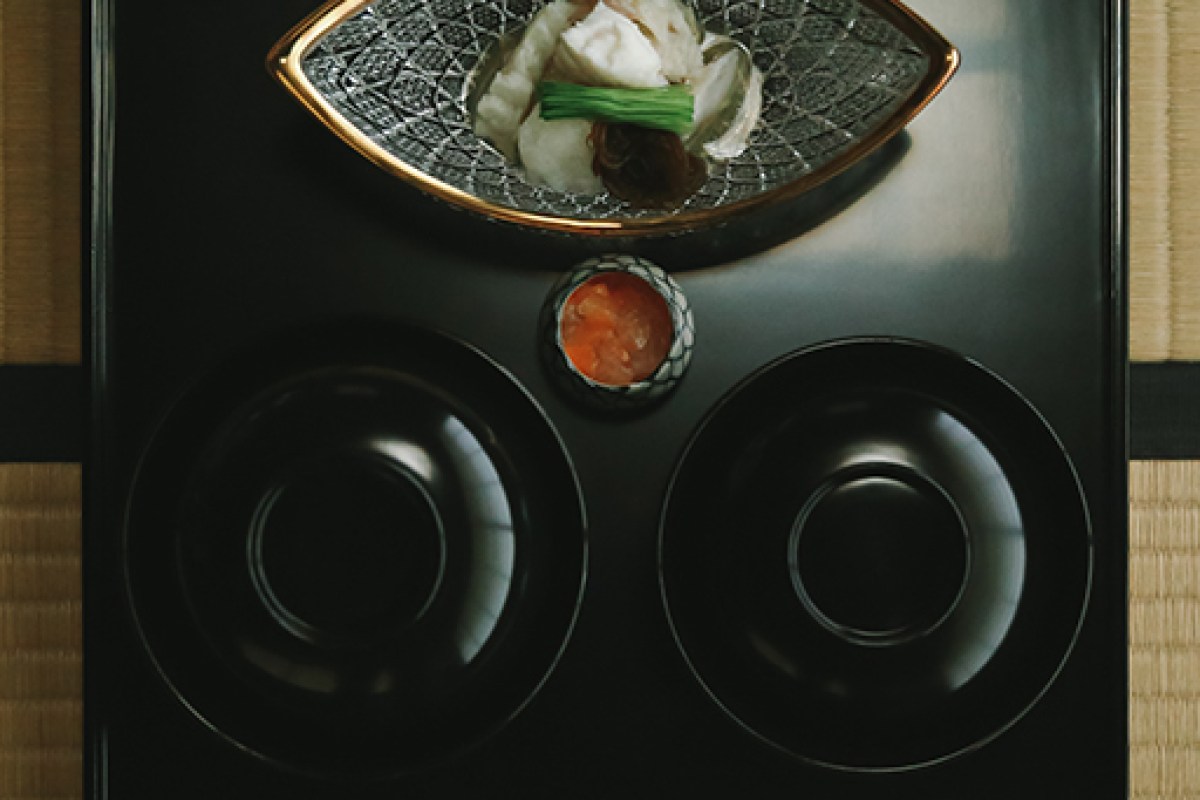
The omakase runs through the full grammar of chakaiseki: an infused kumidashi broth, a small bowl called tsubotsubo, freshly cooked white rice, miso soup, seasonal raw fish as mukôzuke, a vegetable-led sakizuké, fish grilled over binchôtan charcoal as yakimono, the clear-broth nimono-wan considered the heart of the meal, a course called shîzakana, takiawase where separately cooked ingredients meet on one plate, pickled vegetables, a traditional sweet and finally matcha. The courses change every month with the season, and binchôtan, the dense Japanese charcoal prized for its steady, radiant heat, runs through much of the cooking, searing fish without drying it. Within a year of opening, the restaurant had already been selected among the world's 1000 best by La Liste.
04What to order
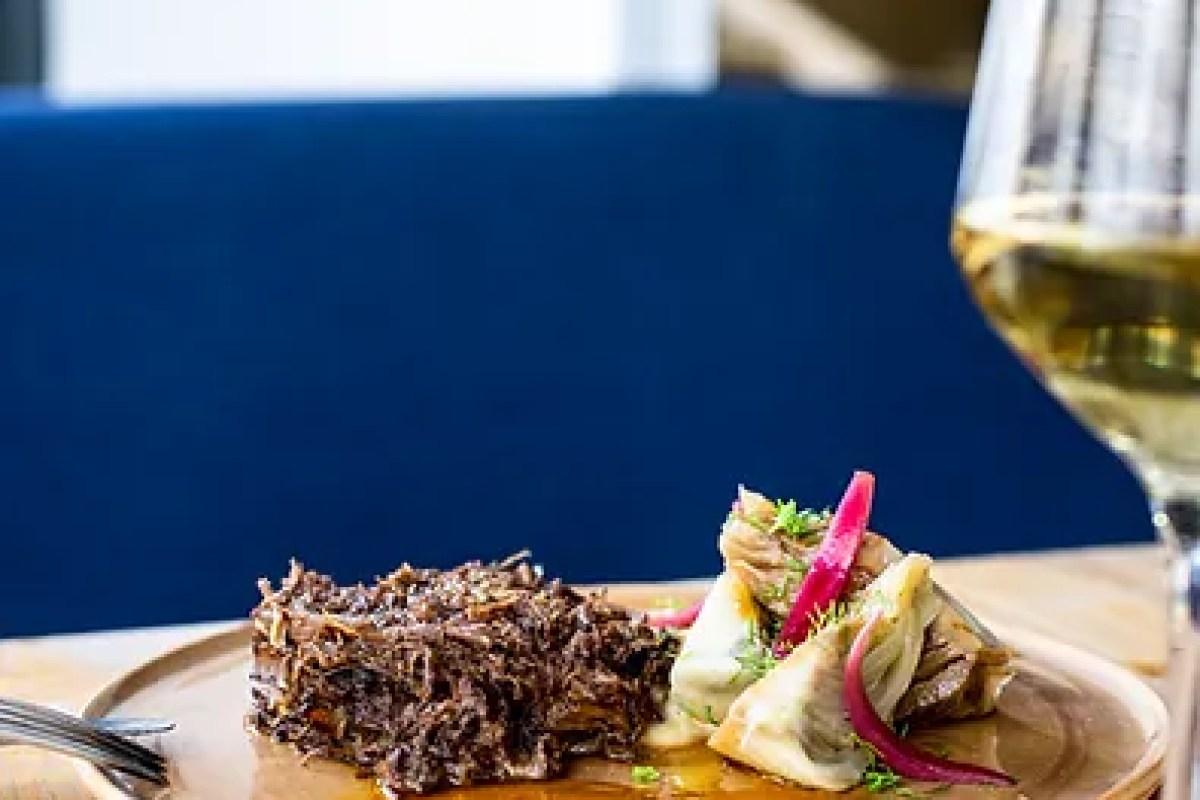
The chef's own specialty is shîzakana, a mackerel sushi seared over binchôtan, and the same dish appears as a takeaway item called sabazushi: Norwegian mackerel cured as shimesaba with shiso and sesame, finished with a pass over the charcoal for its smoky aroma. On the tasting menu, the nimono-wan changes constantly with the season, and the sashimi course has arrived at press tastings as a light fillet of brill rolled with kombu and cucumber under a ponzu gelée, with fresh wasabi grated tableside from the whole root. A following course of slow-cooked white radish with mi-cuit scallop tempura in a spinach sauce has also featured. The meal closes, without exception, with Akiyoshi preparing matcha by hand in mismatched bowls sourced from across Japan.
Don't miss
Don't miss
- 01
The tableside matcha ceremony that closes every omakase
- 02
Shîzakana, the chef's mackerel sushi seared over binchôtan charcoal
- 03
The sukiya-built teahouse interior raised by Japanese carpenters
- 04
Sabazushi to take away, ordered 72 hours ahead
- 05
Watching fresh wasabi grated tableside before the sashimi course
05When to go and booking
There is one lunch and one dinner service a day, and both begin only once every guest at the table has arrived, in keeping with chakaiseki tradition. The lunch omakase runs from 200 to 220 euros depending on seating, the dinner omakase from 300 to 320 euros. Sabazushi to take away must be ordered at least 72 hours in advance and collected in person. Reservations are essential and are handled directly by the restaurant.
06The neighbourhood
Rue Letellier sits in a residential pocket of the 15th arrondissement, around the Commerce, Félix-Faure and Javel streets, a few Métro stops from the Eiffel Tower and reached on foot from La Motte-Picquet–Grenelle, where lines 6, 8 and 10 meet. It is not a street built for passing trade, which suits a restaurant whose entire premise is that a meal, like a tea ceremony, rewards those who come looking for it.