In this story · 6 sections
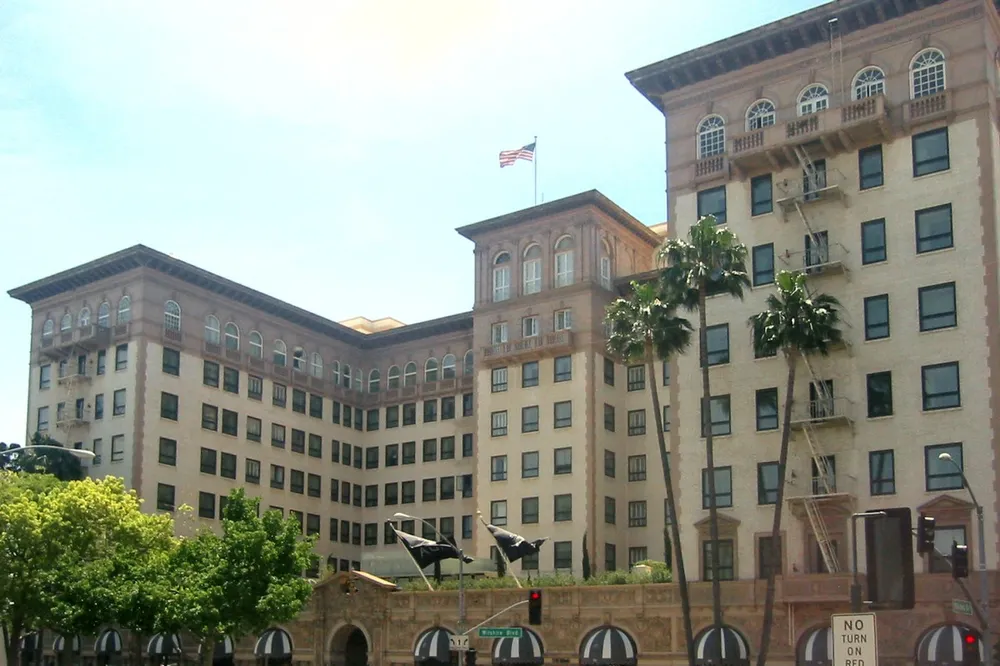
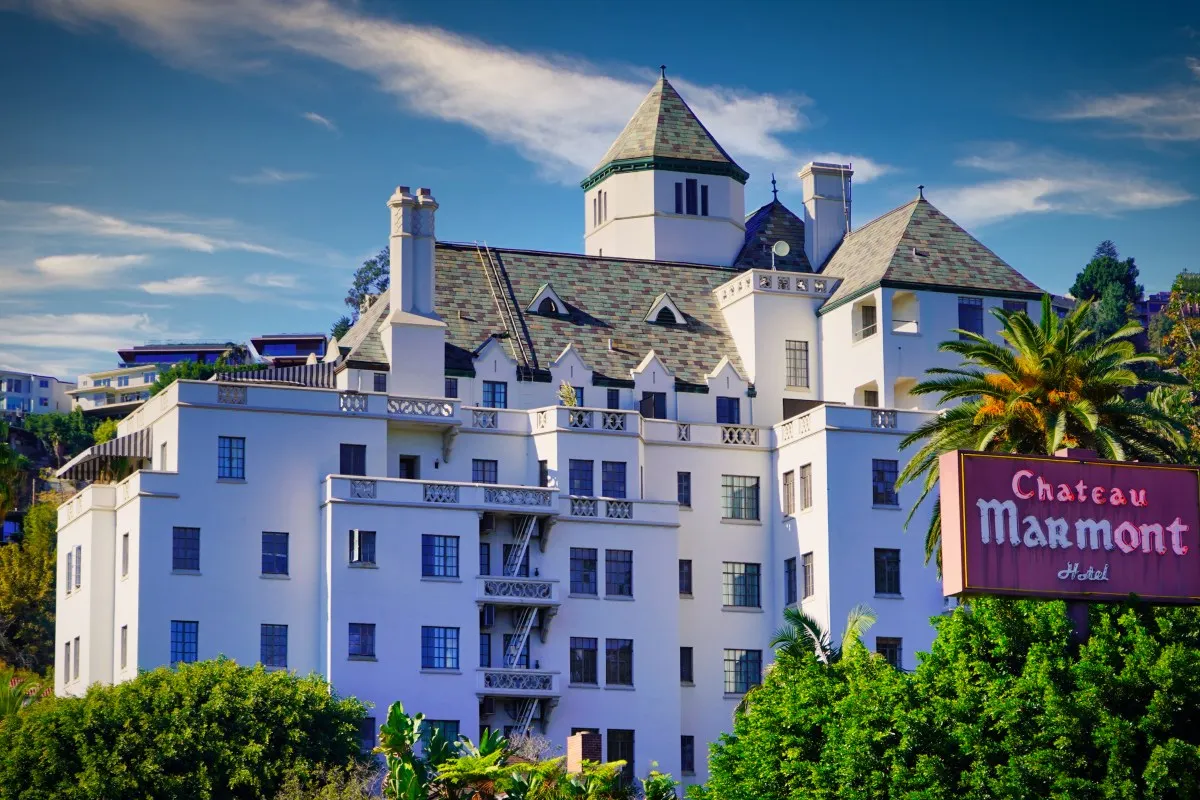
Chateau Marmont stands above Sunset Boulevard like a transplanted Loire Valley château, its turret and steep grey roofline cut against the Hollywood Hills. Completed in 1929, the hotel was designed by architects Arnold A. Weitzman and William Douglas Lee and was modelled loosely after the Château d'Amboise, a former royal castle in France's Loire Valley. The MICHELIN Guide now awards it Two MICHELIN Keys. It is a Los Angeles Historic-Cultural Monument, designated in 1976, and has been owned since 1990 by the hotelier André Balazs. There are 63 bedrooms, suites, cottages and bungalows, either poolside or hillside, wrapped around a hillside garden and a pool that only guests may enter. Round-the-clock room service lets anyone who prefers not to be seen dine the way Greta Garbo once did, while the palm-shaded courtyard tables are where the deals and the eavesdropping really happen. Few hotels anywhere carry this much unspoken history so lightly.
Chateau Marmont
Hotel · West Hollywood / Sunset Strip
© OpenStreetMap contributors · OpenFreeMap
- Address
- 8221 Sunset Boulevard, Los Angeles, CA 90046
- Opened
- 1929
- Rooms
- 63
- Restaurants
- The Restaurant at Chateau Marmont
- Telephone
- +1 323 656 1010
- Website
- chateaumarmont.com
- MICHELIN Guide
- Two MICHELIN Keys
Sixty-three rooms, cottages and bungalows around a locked garden pool, on the border of West Hollywood.
01The house
In 1926 the Los Angeles attorney Fred Horowitz chose a plot at the corner of Marmont Lane and Sunset Boulevard for an apartment building. The site ran to two acres, in a stretch of Hollywood then expanding fast toward Beverly Hills and its new star system. In 1927 Horowitz commissioned his brother-in-law, the European-trained architect Arnold A. Weitzman, to design a seven-storey, L-shaped building based on photographs Horowitz had brought back from France. It was built to be earthquake-proof, and has survived several significant Los Angeles earthquakes since.
The building opened as an apartment house in 1929, just months before the Wall Street Crash. Financial hardship forced Horowitz to sell it in 1931 to the Vitagraph Studios co-founder Albert E.
The hotel has rarely stood still since. A 2020 plan to turn the property into a members-only club was scrapped, and it remains open to the public today. What has not changed is the château silhouette on Sunset Boulevard, nor the sense, inside the gates, that very little needs explaining.
02Rooms and suites
Accommodation runs from a 28-square-metre Queen Bedroom up to a 139-square-metre hillside bungalow, spread through the main château and a scatter of garden cottages behind it. Hillside Bungalows carry the coolest mid-century decor, with kitchens, working fireplaces, private street entrances and direct access to the pool from a walled garden, while the Poolside Bungalows lean more classical and are a shade larger. Two of these bungalows were designed in 1956 by the modernist architect Craig Ellwood, added to a property that had already taken in a set of Spanish-style cottages and a swimming pool during the 1930s.
Insider tipDiscretion is the house style: reserve the restaurant ahead, and expect the pool gate to stay locked to outsiders.
The Two-Bedroom Suites, with twin beds in one room, a generous living area, a fully fitted kitchen and a giant retro fridge, suit families who want the Marmont experience without committing to a bungalow. Standard rooms look onto the garden rather than the Strip, which, in a hotel built on discretion, is rather the point.
03Where to eat
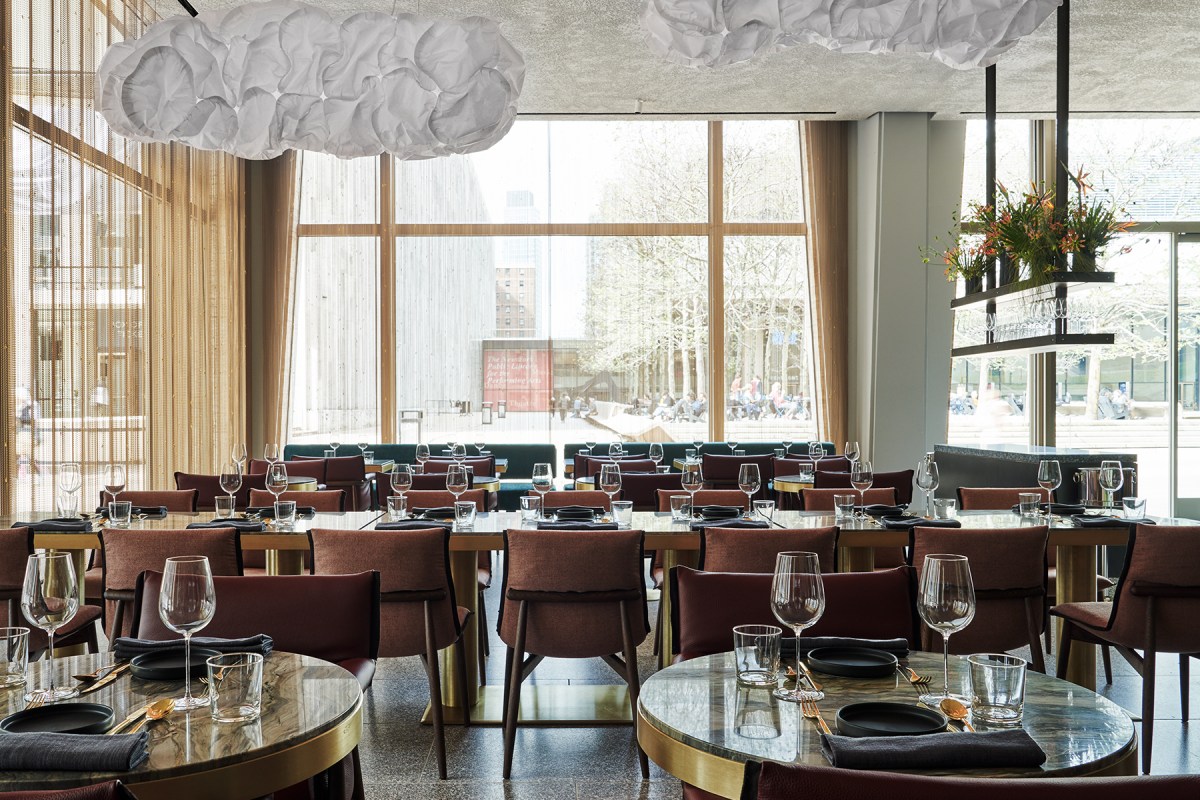
André Balazs opened the hotel's first restaurant in 2003, a dining room that runs from the lobby into a covered arcade and a palm-shaded courtyard. Tables sit under soaring arched ceilings in the covered section, with café-style wicker chairs set further out in the garden, and by day service moves to a poolside terrace shaded by crisp white parasols and screened by foliage. The kitchen leans on French technique with the twists typical of California cuisine, built around whatever is in season and as much locally grown produce as it can find.
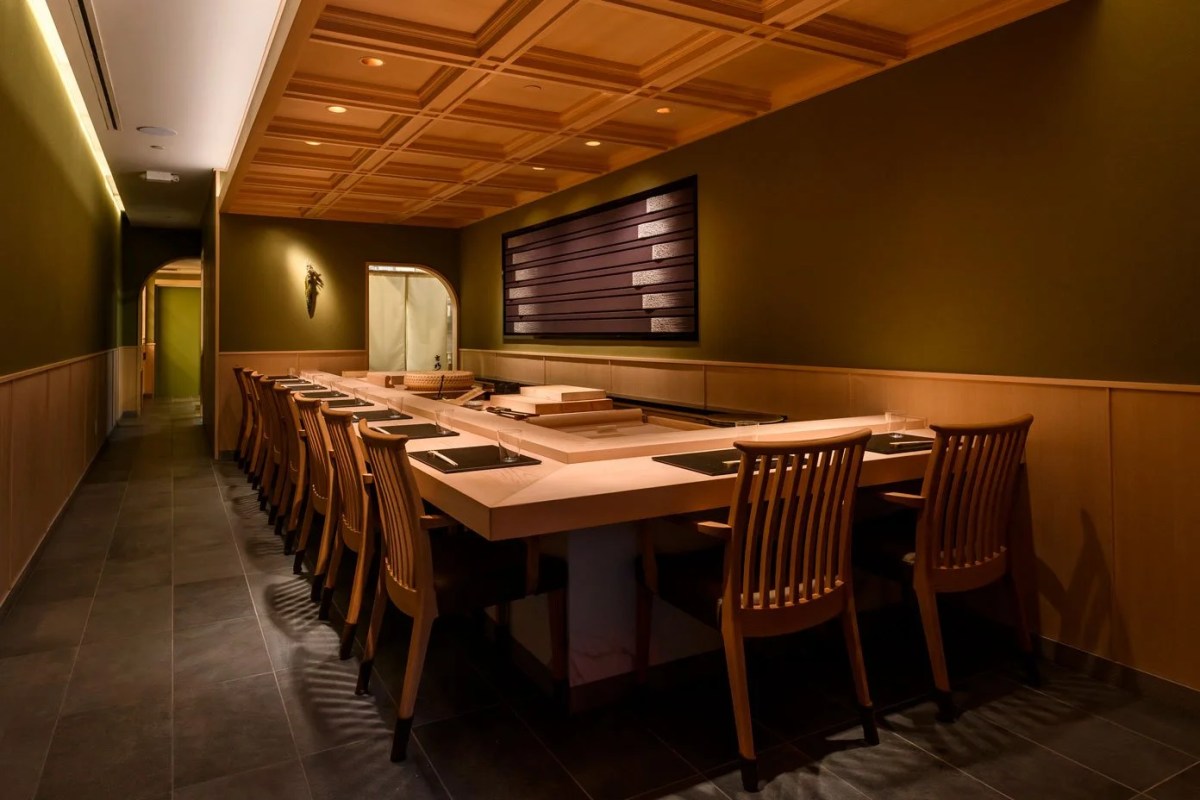
Between 2018 and its later closure, an intimate Japanese restaurant called Chateau Hanare occupied one of the hotel's previously vacant bungalows, a five-year detour into kaiseki and sashimi that is still talked about on the property. Dinner at the main restaurant requires a reservation or a hotel key, and is served beneath expansive chandeliers alongside well-regarded cocktails.
04The bar
Bar Marmont opened in 1995, a separate cocktail bar a short walk down Sunset Boulevard from the hotel itself. It closed in 2017 for what was announced as a makeover and, though it had long been ranked among the best hotel bars in America, its eventual return was in a private capacity rather than a public one. As of mid-2025 it remained closed to walk-in guests, despite having reopened in some form after the pandemic. The general public can still get a drink at the bar inside the restaurant itself, under the same arches where dinner is served.
05The neighbourhood
The hotel sits at 8221 Sunset Boulevard, on the Sunset Strip and on the border of West Hollywood, a few minutes' walk from the comedy clubs and music venues that have defined this stretch of the city since the 1960s. The gates keep the street noise at a distance; step outside them and the Strip's billboards and traffic are a reminder of exactly which decade you are in, even as the château behind you insists on another.
06Making the most of a stay
The pool sits behind a locked gate, a guests-only stretch of blue framed by tropical planting, so a bungalow or poolside room is worth requesting if that privacy matters to the stay. Round-the-clock room service means a nightcap can be taken on a private balcony above the Strip rather than at a public bar, which suits the hotel's long-standing preference for guests who are not easily photographed. Book the restaurant ahead rather than relying on a walk-in table, and treat the whole property the way its regulars always have: as somewhere to be discreet, not documented.
Don't miss
Don't miss
- 01
Dinner in the courtyard beneath its soaring arched ceilings
- 02
A hillside bungalow designed by Craig Ellwood in 1956
- 03
The guests-only pool behind its locked garden gate
- 04
A walk down the Sunset Strip from the hotel's own gates
- 05
A table booked ahead rather than a hopeful walk-in