In this story · 6 sections
On a quiet stretch of Via Bernardino Corio, a few paces off Corso Lodi in Porta Romana, Dongiò has served Calabrian home cooking since 1987, when Pietro Criscuolo opened the trattoria with his wife Milena. Opened in 1987 by Pietro Criscuolo, the restaurant has kept the same unpretentious character it started with. The kitchen and the dining room now belong to the third generation of the Criscuolo family, still rolling pasta the way Pietro's wife Milena taught them. It holds a Bib Gourmand in the 2026 MICHELIN Guide Italia, the distinction given to restaurants whose cooking delivers real quality without inflating the bill. In a city that reinvents its restaurant scene every season, Dongiò has simply kept doing what it has always done: 'nduja, fresh maccheroni, and Calabria served without performance, to a dining room that fills on weeknights as readily as weekends.
Dongiò
Restaurant · Porta Romana
© OpenStreetMap contributors · OpenFreeMap
- Address
- Via Bernardino Corio 3, 20135 Milano
- Cooking
- Calabrian, Traditional cuisine
- Run by
- Criscuolo family, three generations since 1987
- MICHELIN Guide
- Bib Gourmand
- Price
- On a budget
- Open
- Mon–Fri lunch & dinner; Sat dinner only; closed Sun
- Setting
- Classic Milanese trattoria, pavement tables in summer
- Nearest station
- Porta Romana (M3), about 3 minutes' walk
- Telephone
- +39 349 2761011
- Website
- dongio.it
Fresh pasta, 'nduja and Crotone-style cooking in a classic Milanese dining room off Corso Lodi.
01The room and the setting
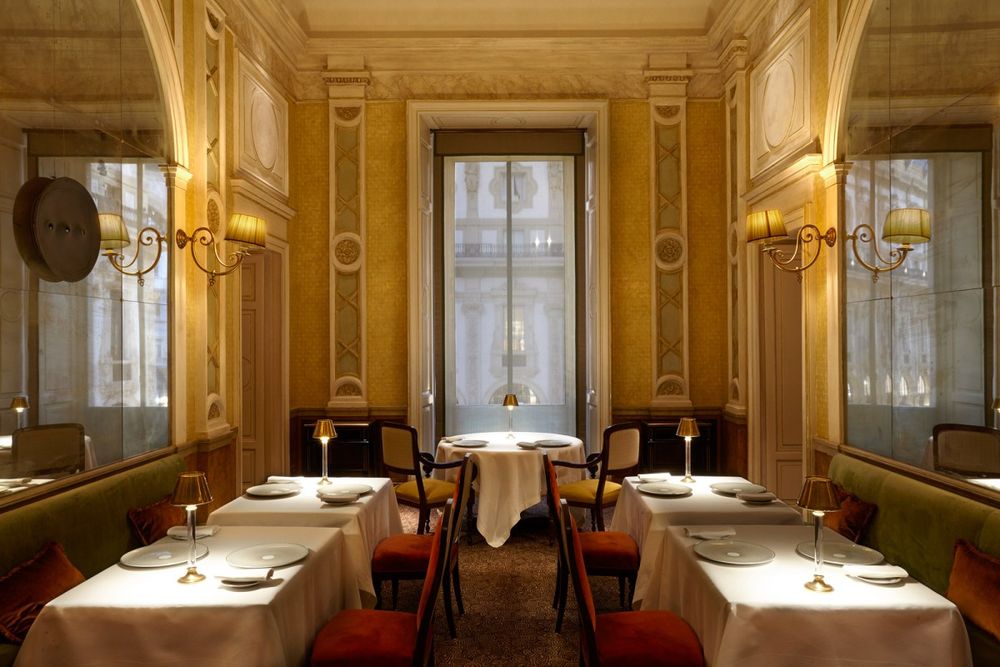
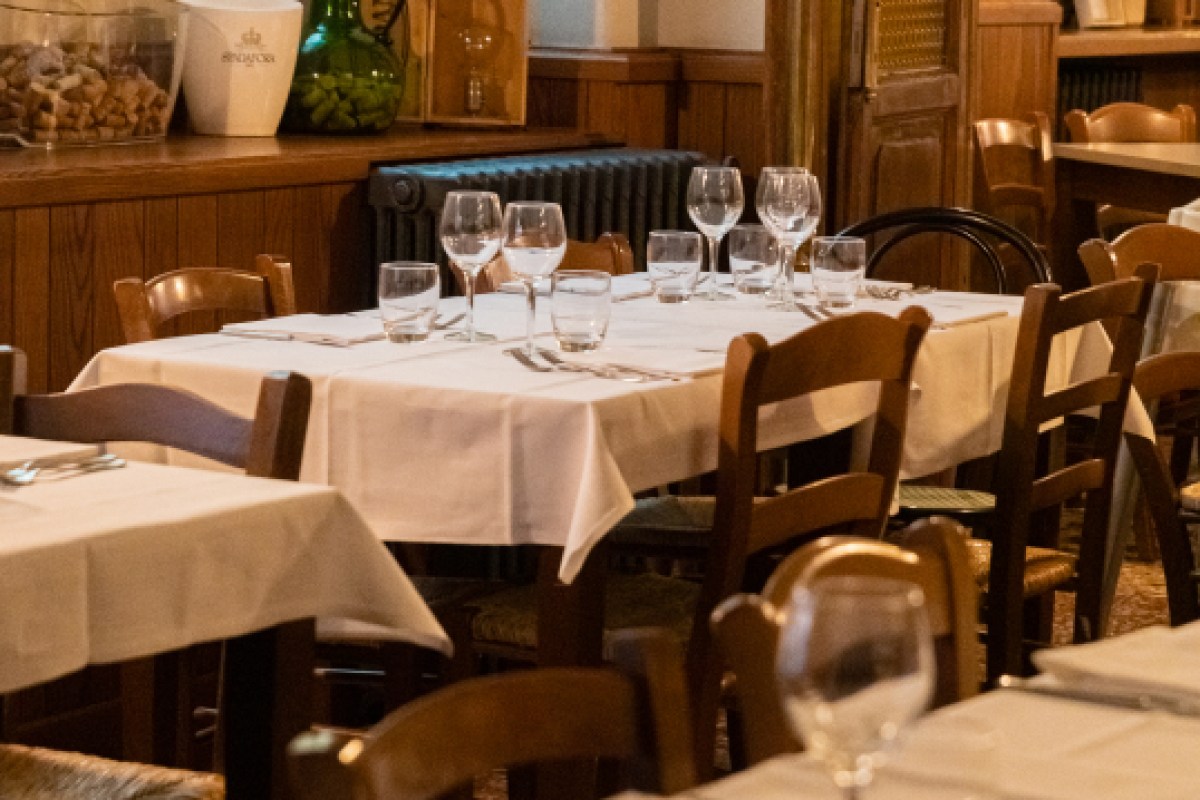
Walk past an unassuming shopfront and the room opens into something closer to a classic Milanese osteria than a styled trattoria. Dongiò, from the outside, is not particularly eye-catching, almost blending into the crowd of venues in the area, but it is well worth it, as you will understand from the first glance at the menu, in all its Calabrian frankness. Along the walls hangs a row of historical documents from the era of the Kingdom of the Two Sicilies, while the menu carries all the most traditional flavours of authentic Calabrian cuisine.
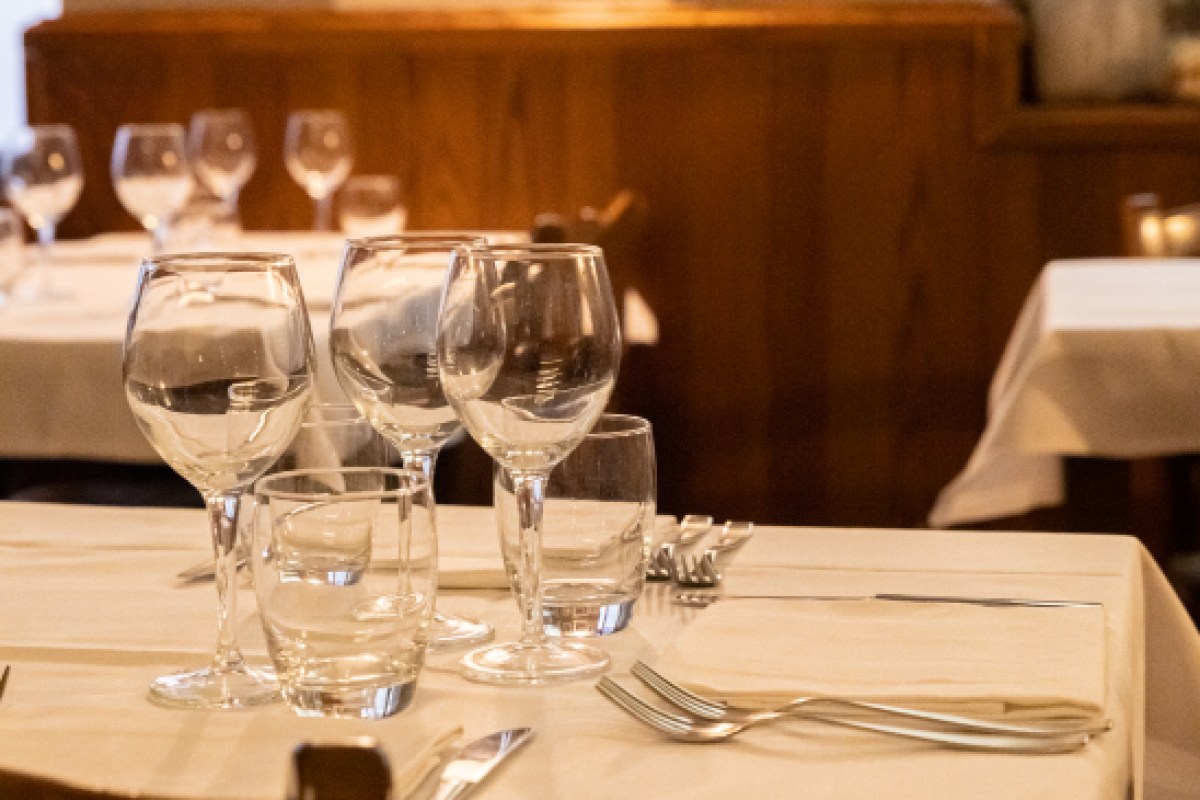
Tables sit close enough that neighbouring conversations blend into the general hum, and in the warmer months Dongiò lays a handful outside on the pavement. Outdoor tables are available. None of it looks redesigned to appear authentic — it already was.
02Three generations
Pietro Criscuolo left Calabria for Lombardy and, with his wife Milena, opened the restaurant's doors in 1987, giving many of its dishes the kind of proper names that read like a map of home rather than a menu. Their children, Antonio and Monica, carried the tradition forward with the same care, and the baton has since passed to Pietro and Milena's grandson, Thomas, now in charge of the dining room — three generations of the same family at the same address on Via Bernardino Corio.
Insider tipClosed Sundays; dinner only on Saturdays. Booking strongly advised.
Milena, who died earlier this year, spent decades turning out the restaurant's pasta by hand, a craft that still shapes every plate that leaves the kitchen today.
03The cooking
The pasta is still made in-house every day, and the menu states its flour plainly rather than dressing it up: "Fresh pasta from ancient Senatore Cappelli grains," the menu states, and every accompanying sauce has something intriguing about it, while remaining within the comfort zone of simple ingredients.
'Nduja, Calabria's spreadable chilli salame, turns up everywhere on the table. At Dongiò the star is 'Nduja itself — soft, spicy, unmistakable — opening the menu from the starters, spread on warm bruschette. It returns in spaghetti with tomato, chicory and strong ricotta, and in the celebrated linguine alla Cafoncello, with Calabrian sausage, tomato, pesto and pecorino — a dish that has become something of a manifesto.
04What to order
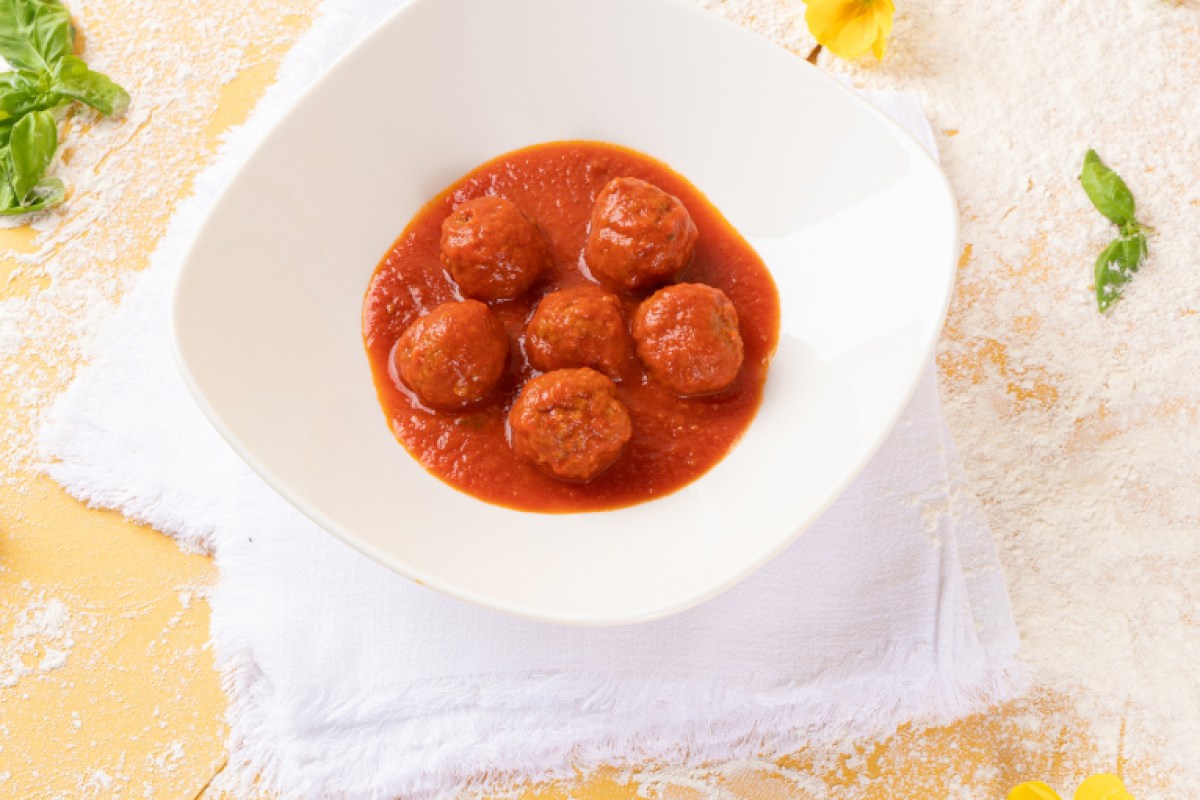
Among the first courses, maccheroncini all'uso di Crotone — handmade pasta with sausage or 'nduja — is one of the kitchen's oldest standards. The home-made pastas rely on maccheroncini alla disperata, all'uso di Crotone, with sausage or with 'nduja. Caciocavallo alla piastra, the aged southern cheese simply griddled, is a fixture alongside capocollo and bruschette with 'nduja. Other specialities not to overlook include caciocavallo alla piastra, meatballs in sauce, capocollo, bruschette with 'nduja and the home-made onion jam.
Further down the list, spaghetti Cetara, dressed with anchovy colatura, olives and wild fennel, carries the coast rather than the mountains. Among the first courses we choose the spaghetti Cetara with anchovy colatura, olives and wild fennel: a direct, savoury, irresistible dish. To finish, puddings stay short and homemade, with one clear favourite. A special mention, finally, for the home-made desserts, among which the ricotta tiramisù stands out.
Don't miss
Don't miss
- 01
Linguine alla Cafoncello, with Calabrian sausage, tomato, pesto and pecorino
- 02
Maccheroncini all'uso di Crotone, with sausage or 'nduja
- 03
Caciocavallo alla piastra, griddled aged southern cheese
- 04
Spaghetti Cetara, with anchovy colatura, olives and wild fennel
- 05
Tiramisù alla ricotta
05Wine and drinks
The wine list runs deeper than the room suggests, with bottles spread across every price bracket rather than clustered at the top. The cellar is well stocked, with bottles for every budget.
A glass of Cirò, the red made from Calabria's own Gaglioppo grape in the hills around Crotone, is the regulars' pairing of choice. Cirò is a DOC of the Calabria wine region in deepest southern Italy best known for red wines based on the Gaglioppo grape variety. Americans, Europeans, even Koreans know that here they will find incredible fettuccine with meatballs to pair with a glass of Cirò.
06When to go and booking
Dongiò opens for lunch and dinner Monday to Friday, dinner only on Saturday, and stays closed on Sundays, according to its own website in October 2026. A full meal of starter, pasta course and dessert has traditionally come in under thirty euro a head, drinks aside. Less than 30 euros, with starter, main and dessert à la carte, drinks excluded.
Reservations are strongly advised. It is absolutely necessary to make a reservation. Word has travelled well beyond Porta Romana since the Bib Gourmand recognition, and a trattoria built for neighbourhood lunches now fills its tables most evenings of the week.