The plan · 5 sections
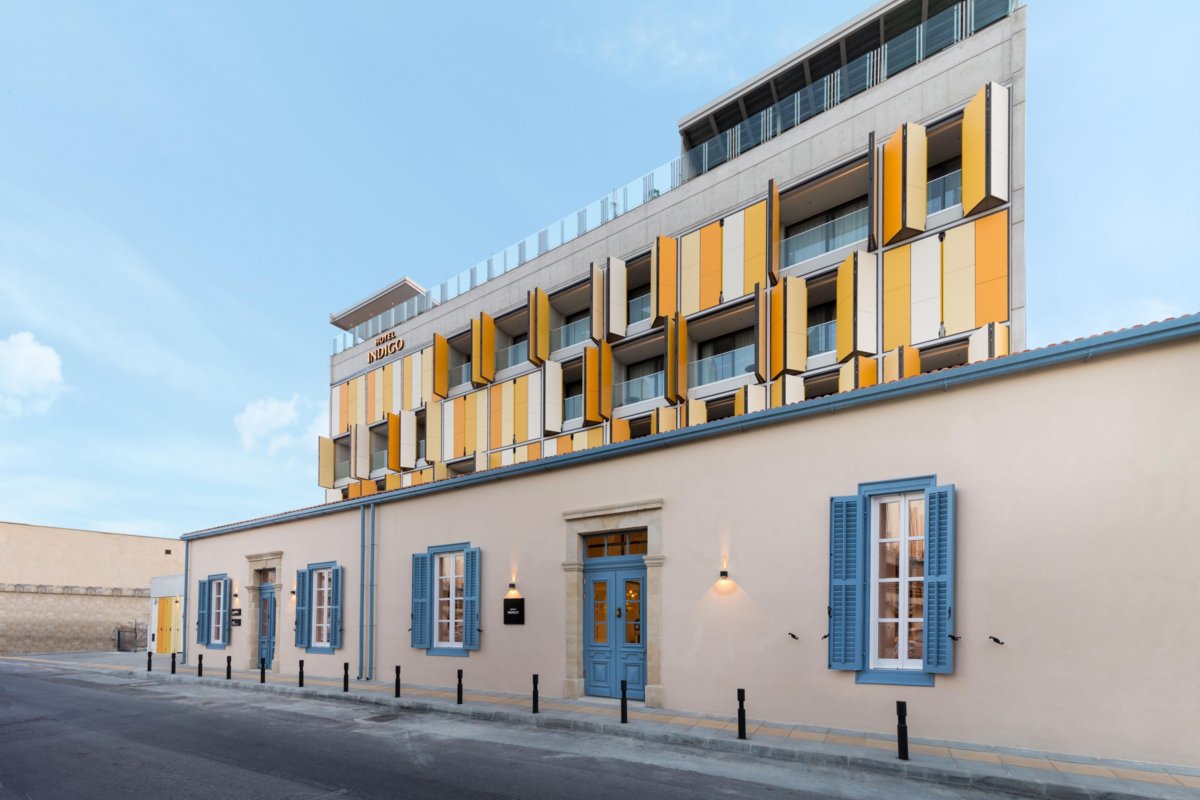
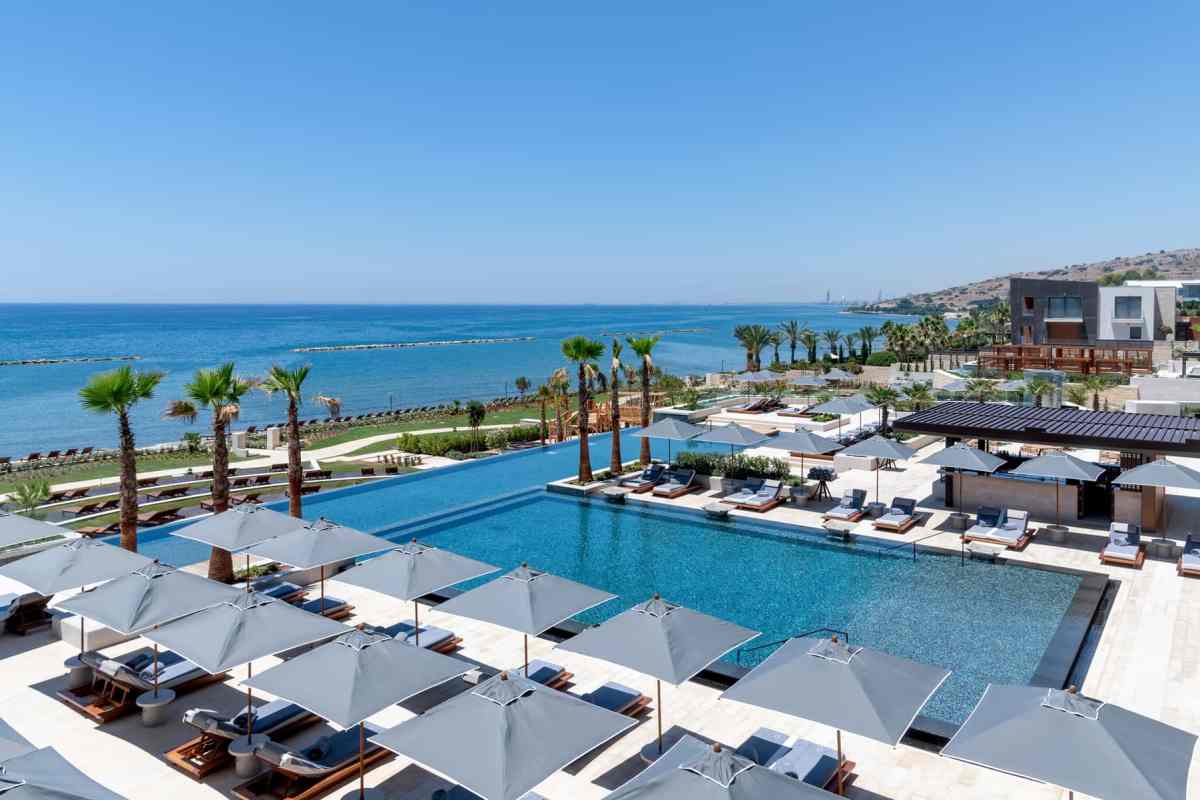
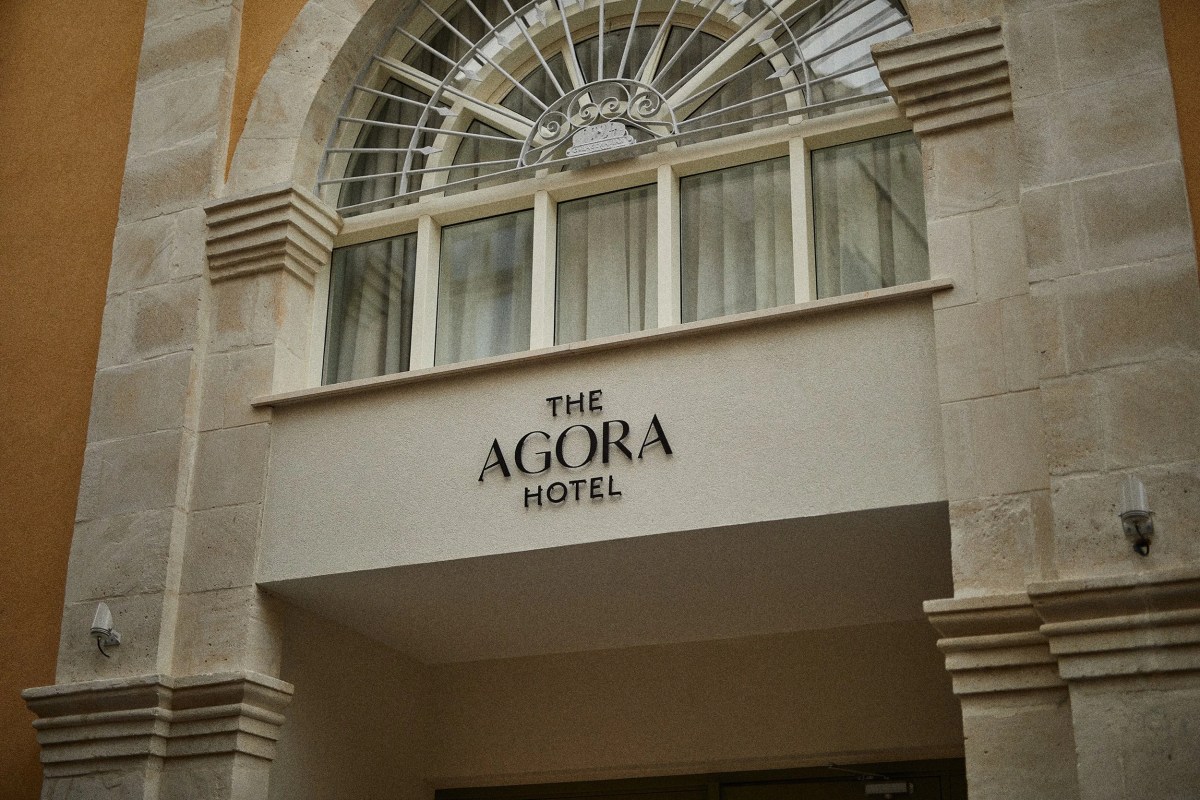
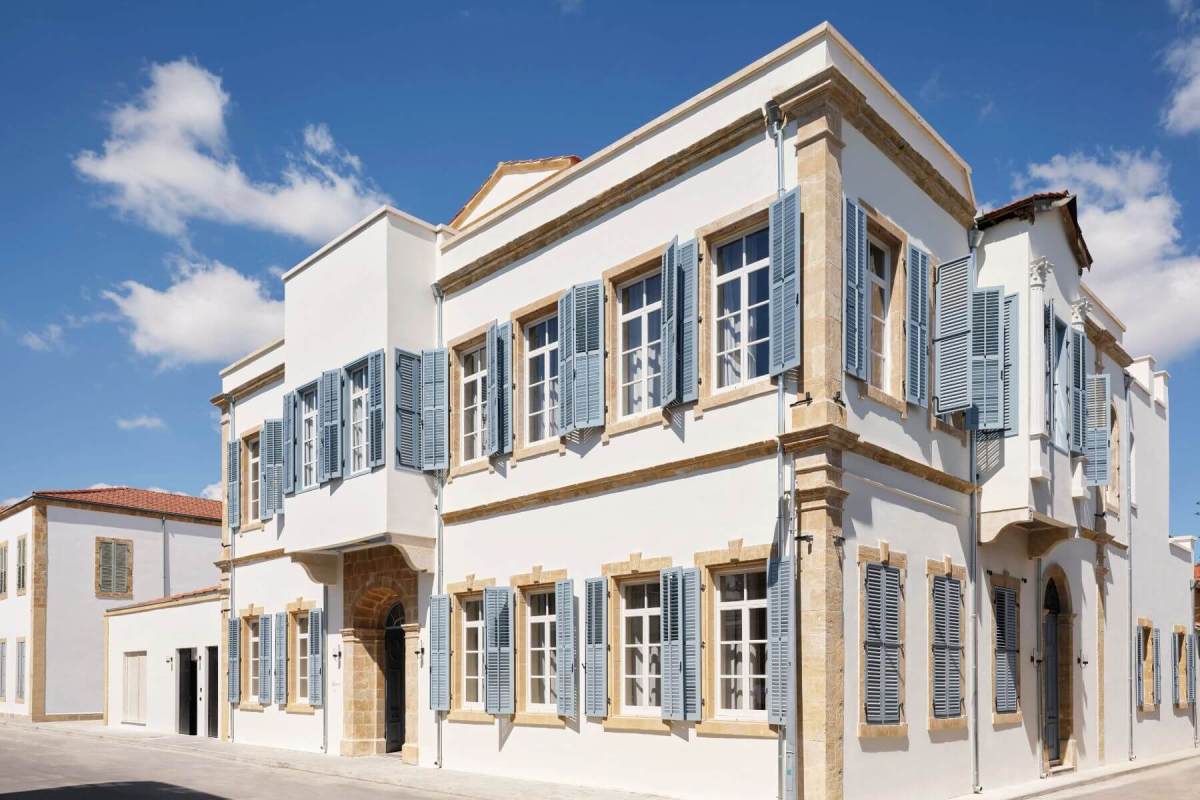
There is no MICHELIN Guide hotel in Protaras or Ayia Napa, which is a good reason to turn a beach holiday into a journey. This route starts on the golden sand of Fig Tree Bay, follows the south coast to Larnaca, climbs into the lace-making village of Lefkara, crosses to the walled old town of Nicosia, winds through the Troodos Mountains to the painted Byzantine churches and comes down to the sea again at Paphos, where the mosaics and rock-cut tombs of the ancient capital wait at the end. It takes five days and roughly 380 kilometres of driving, none of it rushed, and every night is spent in a hotel recognised by the MICHELIN Guide: Hotel Indigo Larnaca, selected in the Guide, and three houses with One MICHELIN Key – The Agora Hotel, Amyth of Nicosia and Amara. Along the way are four entries on UNESCO's lists, from a Neolithic village to a living lace-making tradition, and more than one beach worth a detour.
The route at a glance
| Day | Route | By road | Night |
|---|---|---|---|
| One | Fig Tree Bay – Cape Greco – Larnaca | about 60 km | Hotel Indigo Larnaca |
| Two | Larnaca – Choirokoitia – Lefkara | about 45 km | The Agora Hotel |
| Three | Lefkara – Nicosia | about 47 km | Amyth of Nicosia |
| Four | Nicosia – Asinou – Kakopetria – Limassol | about 140 km | Amara |
| Five | Limassol – Kato Paphos – Tombs of the Kings | about 85 km | Paphos |
Day oneFig Tree Bay, Cape Greco and the road to Larnaca
Begin early on the beach that gives Protaras its fame. Fig Tree Bay, a Blue Flag beach, has fine golden sand and very clear water, and takes its name, according to Visit Cyprus, from a single fig tree that has stood there since the 17th century. Lifeguards are on duty from April to October.
Seven kilometres away by road, south-east of Protaras and east of Ayia Napa, the Cape Greco National Forest Park covers 385 hectares of protected coast: limestone sea cliffs, trails lined with Calabrian pine and Phoenician juniper, sea caves and the small whitewashed church of Agioi Anargyroi, with steps down to a cave by the water. Some 400 plant species grow here, 14 of them endemic. After a last swim, drive west for about an hour to Larnaca, check in at Hotel Indigo and spend the evening on the palm-lined Finikoudes promenade.
14 places
© OpenStreetMap contributors · OpenFreeMap
- 01Fig Tree BayBeach · Protaras
- 02Cape Greco National Forest ParkNature · South-east of Protaras
- 03Hotel Indigo LarnacaHotel · Larnaca
- 04Agios Lazaros ChurchChurch · Larnaca
- 05ChoirokoitiaArchaeological site · Larnaca district
- 06The Agora HotelHotel · Pano Lefkara
- 07Famagusta GateMonument · Old Town
- 08Cyprus MuseumMuseum · Nicosia
- 09Amyth of NicosiaHotel · Old Town
- 10Panagia Phorviotissa, AsinouChurch · Nikitari, Troodos
- 11Agios Nikolaos tis StegisChurch · Kakopetria, Troodos
- 12Amara – Sea Your Only ViewHotel · Limassol
- 13Archaeological Park of Kato PaphosArchaeological site · Kato Paphos
- 14Tombs of the KingsArchaeological site · Kato Paphos
- Best time
- April to October for swimming; November to March for the Salt Lake flamingos
- Getting around
- By car; the route uses the island's motorways and mountain roads
- Start
- Fig Tree Bay, Protaras
- Finish
- Tombs of the Kings, Paphos
- Distance
- About 380 km by road, roughly seven hours at the wheel
- Nights
- Larnaca, Lefkara, Nicosia, Limassol
- UNESCO
- Choirokoitia, Lefkara lace, Painted Churches of the Troodos, Paphos
Fig Tree Bay
Golden sand and clear water in Protaras.
A Blue Flag beach named after a fig tree that has stood there since the 17th century.
Insider tipLifeguards from April to October.
Cape Greco National Forest Park
385 hectares of protected coast.
Sea cliffs, sea caves, nature trails and the chapel of Agioi Anargyroi.
Insider tipThe environmental centre opens daily 10am–6.30pm from May to October.
Hotel Indigo Larnaca
Night one.
Old townhouses joined into one, with a rooftop pool. Selected in the MICHELIN Guide.
Adonidos Street 12–16, Larnaca 6020
Insider tipAdults only.
Day twoSaint Lazarus, Choirokoitia and the lace village of Lefkara
Walk to the Church of Agios Lazaros before the day warms up. Visit Cyprus calls it one of the most remarkable examples of Byzantine architecture on the island: built by the emperor Leo VI in the 9th century over the saint's tomb, restored in the 17th, with a gold-covered baroque iconostasis. Entry is free. Between November and March, add a detour to the Salt Lake, where thousands of flamingos spend the winter.
Then drive half an hour west to Choirokoitia, a Neolithic settlement listed by UNESCO in 1998 and, in its words, one of the most important prehistoric sites in the eastern Mediterranean. Five of its round dwellings have been rebuilt beside the site with the original methods and materials, furnished with replicas of the objects found inside. From there it is 12 kilometres up to Lefkara, 650 metres above the sea.
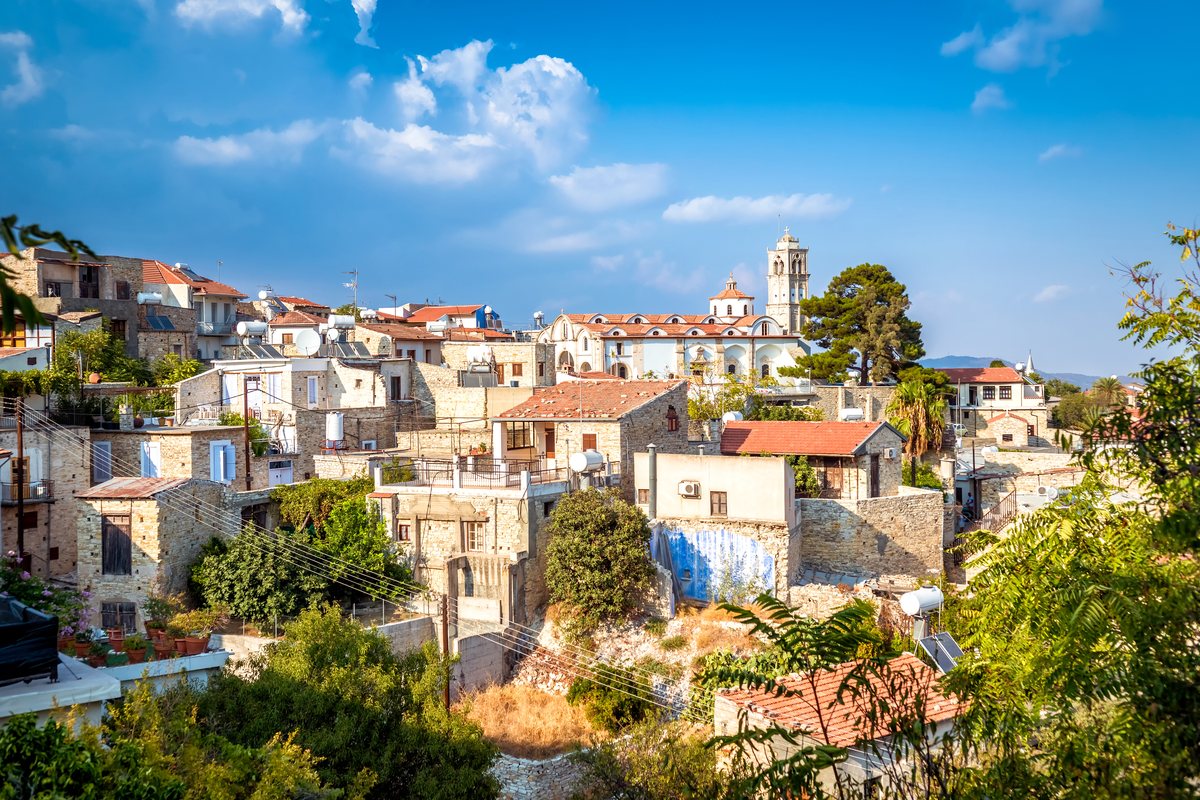
Lefkara laces, or Lefkaritika, are on UNESCO's Representative List of the Intangible Cultural Heritage of Humanity, inscribed in 2009: a hand craft going back at least to the 14th century and still taught by mothers and grandmothers. Watch it being made at the Lefkara Handicraft Centre, look into the 12th- and 15th-century frescoes of Archangelos Michail in Kato Lefkara, then settle in at The Agora Hotel, the village's former market, for dinner at NOVÉL.
Agios Lazaros Church
A 9th-century church over the saint's tomb.
Byzantine church with a gold-covered baroque iconostasis and the Byzantine Museum next door.
Plateia Agiou Lazarou, Larnaca
Insider tipFree entry; open daily, with shorter hours from November to February.
Choirokoitia
A Neolithic village, UNESCO World Heritage since 1998.
Five round dwellings rebuilt with Neolithic methods beside the excavated settlement.
Insider tipEntry €2.50; open daily from 8.30am.
The Agora Hotel
Night two.
The village's old market, now an adults-only hotel with One MICHELIN Key.
25 Timiou Stavrou, Pano Lefkara 7700
Insider tipAdults only.
Day threeNicosia inside the Venetian walls
It is under an hour to Nicosia. Leave the car and walk: the old city is still ringed by the walls the Venetians built in the 16th century, with eleven heart-shaped bastions and a moat 80 metres wide. Enter through the Famagusta Gate, the largest of the three gates, designed by Giulio Savorgnano in 1567 and now the Nicosia Municipal Multicultural Centre.
Give the afternoon to the Cyprus Museum, the island's largest archaeological museum, which runs from the Neolithic Age to the Early Byzantine period and holds the 1st-century BC statue of Aphrodite of Soloi; entry is free, and it is closed on Mondays. Check in at Amyth of Nicosia, a ten-room 19th-century villa a few steps from the Famagusta Gate, and eat in its courtyard under the olive trees.
Famagusta Gate
The largest gate in Nicosia's Venetian walls.
Designed by Giulio Savorgnano in 1567; now the Nicosia Municipal Multicultural Centre.
Leoforos Athinon, Nicosia
Insider tipFree; open Monday to Friday, closed at weekends.
Cyprus Museum
The island's largest archaeological museum.
From the Neolithic Age to the Early Byzantine period, including the Aphrodite of Soloi.
1 Mouseiou, Nicosia
Insider tipFree; closed on Mondays.
Amyth of Nicosia
Night three.
A 19th-century villa with ten rooms and One MICHELIN Key.
29 Patriarchou Grigoriou Street, 1016 Nicosia
Insider tipNo on-site spa.
Day fourThe painted churches of the Troodos
Today is the longest drive and the most rewarding. UNESCO lists ten Painted Churches in the Troodos Region, mostly small rural churches and monasteries covered in murals that trace some 500 years of Byzantine and post-Byzantine painting, and singles out the paintings at Asinou and Lagoudera as outstanding evidence of the Comnenian period. Start at Panagia Phorviotissa, the church at Asinou near Nikitari, about an hour from Nicosia.
Continue into the Solea Valley to Agios Nikolaos tis Stegis, St Nicholas of the Roof, 5 kilometres from Kakopetria. Visit Cyprus describes an 11th-century church named for the pitched timber roof built to protect it from the weather, covered entirely in wall paintings from the 11th to the 17th century. It is closed on Mondays. Have lunch in Kakopetria, whose old quarter of stone lanes and wooden balconies is protected, then drive down through the mountains to Limassol and Amara, in time for sunset at the Rooftop Bar.
Panagia Phorviotissa, Asinou
One of UNESCO's ten Painted Churches in the Troodos Region.
Its Comnenian-period paintings are singled out by UNESCO.
Insider tipA mountain road; allow time.
Agios Nikolaos tis Stegis
St Nicholas of the Roof.
An 11th-century church covered in wall paintings from the 11th to the 17th century.
Solea Valley, 5 km from Kakopetria
Insider tipFree; closed on Mondays.
Amara – Sea Your Only View
Night four.
207 sea-view rooms and One MICHELIN Key.
95 Amathus Avenue, Agios Tychonas 4533, Limassol
Insider tipBook the Rooftop Bar for sunset.
Day fivePaphos and the Tombs of the Kings
The drive west to Paphos takes a little over an hour. The Archaeological Park of Kato Paphos has been on the UNESCO World Heritage List since 1980; the city was moved here at the end of the 4th century BC and served as the capital of Cyprus from the 2nd century BC to the 4th century AD. Its heart is the floor mosaics of four Roman villas, the Houses of Dionysos, Theseus, Aion and Orpheus, discovered in 1962 when a farmer ploughing his field turned one up. The House of Dionysos alone has 556 square metres of mosaic.
End the journey three kilometres north at the Tombs of the Kings, monumental underground tombs cut from solid rock in the Hellenistic and Roman periods. Despite the name, Visit Cyprus notes, it was high officials and aristocrats who were buried here, some in tombs built like houses around a peristyle atrium and decorated with Doric pillars. Paphos has its own airport, so the journey home is short. Anyone staying on will find several Paphos hotels selected in the MICHELIN Guide, among them Almyra and Annabelle on Poseidonos Avenue.
Archaeological Park of Kato Paphos
UNESCO World Heritage since 1980.
The mosaics of the Houses of Dionysos, Theseus, Aion and Orpheus, with the Odeon and Saranta Kolones.
Insider tipEntry €4.50; open daily from 8.30am.
Tombs of the Kings
Rock-cut tombs of the Hellenistic and Roman periods.
Underground tombs for high officials and aristocrats, some with Doric pillars.
Insider tipEntry €2.50; open daily from 8.30am.