 The Metro Mode 55
In this story · 7 sections
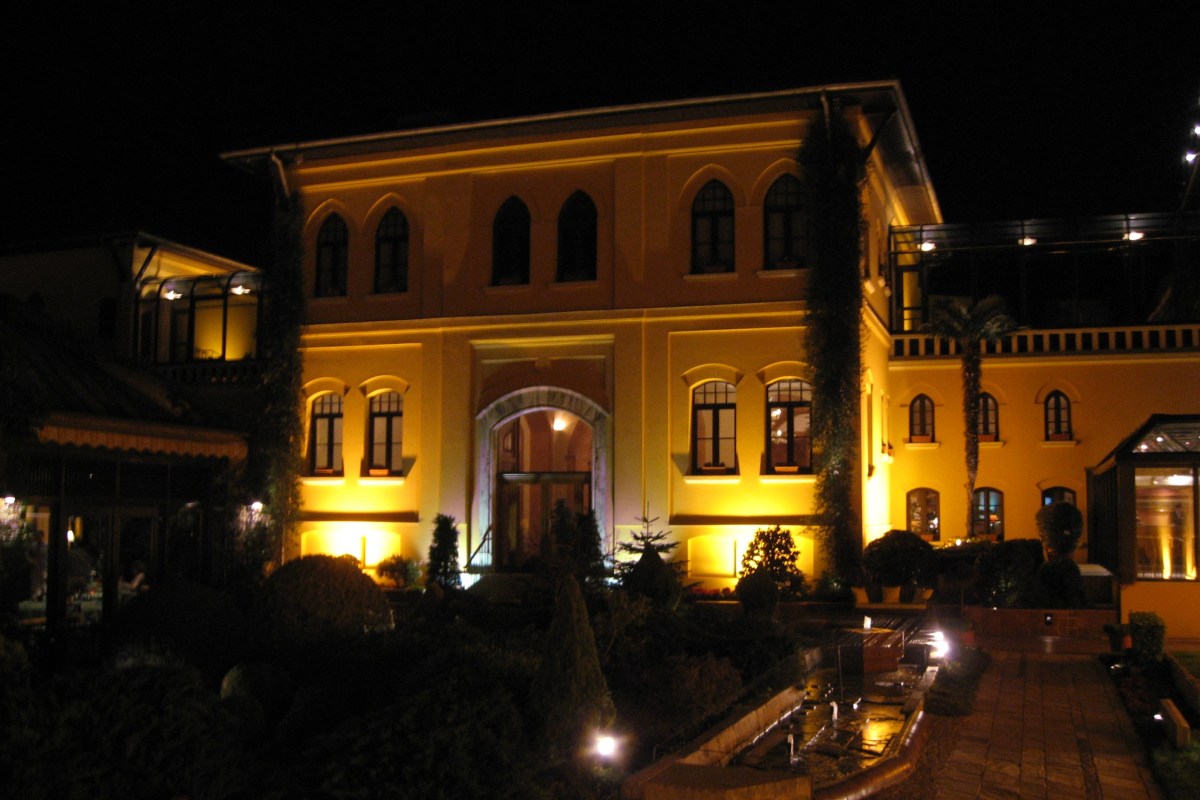
Few hotel addresses carry a past this blunt. Four Seasons Hotel Istanbul at Sultanahmet occupies a neoclassical building raised between 1918 and 1919 beside the city courthouse as the Ottoman capital's first modern prison, designed by the architect Mimar Kemaleddin Bey. It held detainees awaiting trial and those serving brief sentences, among them some of Turkey's most celebrated writers and poets. Four Seasons took over the building in January 1996, and after a hotel-wide renovation it reopened in 2022 with its pointed arches, tiles and domes intact around a courtyard that was once the prison's exercise yard. The MICHELIN Guide now gives the house Three Keys, with its restaurant Avlu holding a MICHELIN Plate, and in 2023 readers of Travel + Leisure voted it the best hotel in the world. It remains an intimate, 65-room property rather than a grand one, and that scale is part of its character.
Four Seasons Hotel Istanbul at Sultanahmet
Hotel · Sultanahmet
© OpenStreetMap contributors · OpenFreeMap
- Address
- Tevkifhane Sokak No. 1, Sultanahmet-Eminönü, Istanbul, Türkiye
- Opened
- January 1996 (as Four Seasons); building dates from 1918–1919
- Rooms
- 65
- Restaurants
- Avlu Restaurant
- Spa
- Kurna Spa
- Telephone
- +90 212 402 30 00
- Website
- fourseasons.com/istanbul
- MICHELIN Guide
- Three MICHELIN Keys
Built 1918–1919 as Istanbul's first modern prison; Four Seasons since 1996; Three MICHELIN Keys.
01The house
The building's story begins with its architect: Mimar Kemaleddin Bey designed it from 1918, constructing it beside Istanbul's courthouse as a prime example of Turkish neoclassical architecture, with pointed arches, ornate tiles, dramatic domes and towers. It functioned as a detention centre for people awaiting trial and those serving short sentences, and among its former inmates were Turkish writers and poets, including Orhan Kemal, Sabahattin Ali and Nazım Hikmet Ran. A later account adds Kemal Tahir and Can Yücel to that list, noting that the building housed detainees awaiting trial and those serving brief sentences, including some of Turkey's most celebrated writers and poets.
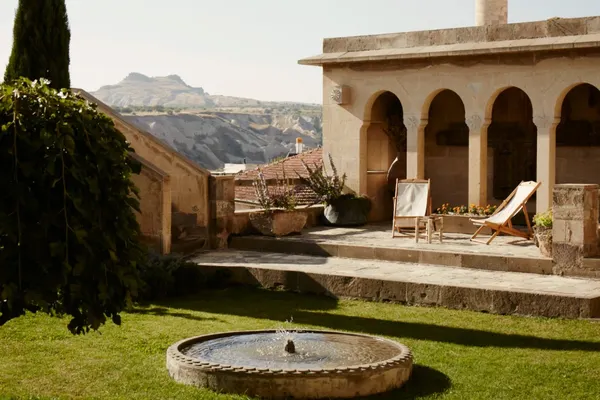
Four Seasons took on the building in January 1996, and the hotel entered a new era when it reopened in 2022 after a hotel-wide renovation, with historic features best preserved in the southwest wing, which houses the lobby, bar and reception area. Architect and interior designer for the redesign was Goddard Littlefair. Original marble and stonework have been preserved in parts of the building, including, as the hotel notes, the entrance to the elevators and the marble wall of its spa. The courtyard that greets arriving guests through old timber doors was once the prison's enclosed exercise yard; eagle-eyed guests can still find 1938 graffiti left by a former inmate on a pillar nearby.
02Rooms and suites
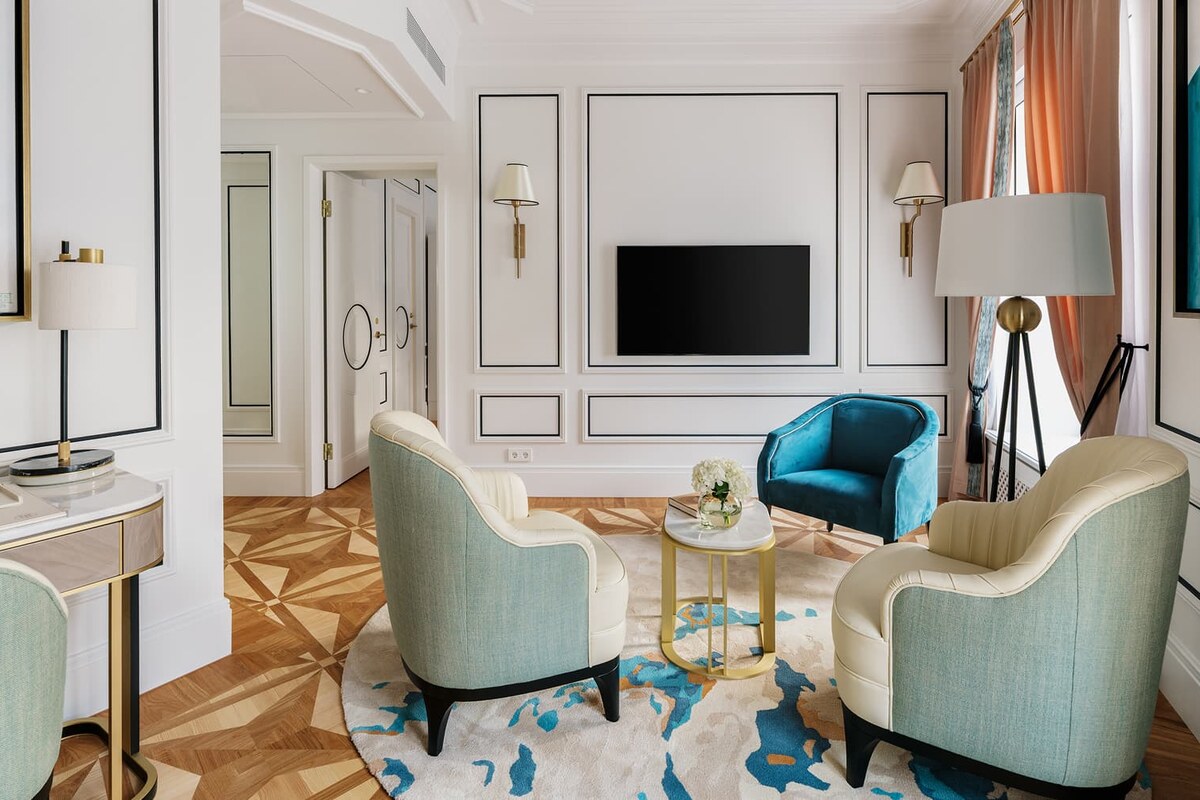
The hotel keeps a deliberately small scale: 65 rooms in total, made up of 48 guest rooms and 17 suites, arranged around the enclosed garden courtyard rather than stacked into towers. Guest rooms are illuminated with a romantic, warm light, with fully upholstered headboards, hand-tufted rugs and individually designed furniture that resonates with Turkish influence throughout. Categories run from Deluxe and Premier rooms, looking onto greenery, courtyard or street, up through Executive and One-Bedroom Suites with French windows that let birdsong in from the garden.
Insider tipNo pool on site; pool access via shuttle to the sister Four Seasons on the Bosphorus.
A collection of specialty suites carries the building's history furthest: a duplex Beyzade Suite, named for a bey's son; a Şehzade Suite named for an Ottoman crown prince, with a balcony over the courtyard; and suites named for the city's two great views, Hagia Sophia and the Marmara Sea, each with its own private terrace. Several of the suites include steam rooms with marble seating that resemble miniature versions of a Turkish bath.
03Where to eat
The hotel's single restaurant, Avlu, sits in the garden courtyard at the heart of the property, under a ceiling inspired by Ottoman tents; a contemporary, glazed hexagonal structure forms an enclosed section of the restaurant that can open fully to the garden through folding metal doors. It seats 57 indoors and 68 outdoors, and its kitchen serves contemporary Anatolian cuisine. Avlu is led by Executive Chef Özgür Üstün, whose team sources ingredients from across Türkiye and reworks them with contemporary technique rather than heavy tradition.
In early 2026 Avlu introduced a new seasonal menu built around Anatolia's local producers, women-led cooperatives and geographically indicated ingredients, and became the first Four Seasons restaurant to publish a full Impact Analysis Report for a single menu, produced with the green supply-chain platform Ingredy to measure its social, economic and environmental footprint. In October 2026 Avlu's listed hours run from 7am to 11pm.
04The bar
Cocktails at Four Seasons Sultanahmet mean one address above all others: Süreyya Teras Lounge, the rooftop bar where handcrafted drinks are served overlooking Hagia Sophia, its domes lit at night across the Old City skyline. For something quieter, the ground-floor lobby lounge divides into three distinct spaces – an intimate dining room with a working fireplace, a piano room lined with artwork, and a winter garden – any of which suit a light lunch, afternoon tea or a pre-dinner drink before heading up to the terrace.
05Spa and wellbeing
Kurna Spa is a bijou space built around an authentic hammam experience, alongside individual treatment rooms, change facilities, and steam and sauna rooms for both mixed and same-sex use. Traditional stone kurna basins were sourced to lend Turkish authenticity to the design, while Arabescato marble lightens the overall impression of the rooms; a treatment room covered in marble mosaics sits at its heart, with a social relaxation room of wrap-around deep banquettes nearby.
The spa is staffed by both Balinese massage therapists and Turkish hammam professionals, offering two hammams – one for single use, one for two – plus a separate massage room, steam room and lounges split by gender, and a larger hammam available for parties and bridal groups of up to six. Treatment oils come from Atelier Eso in Ayvalık, founded by Esra İzgi, while the hammam soaps are made by Atölye Patika, founded by the herbalist Emine Boyner; facials and body treatments use Biologique Recherche and the Sodashi line, exclusive to this Four Seasons among the brand's hotels. The signature treatment is a 60-minute Hammam Ritual.
06The neighbourhood
The hotel sits amid the squiggle of lanes behind the colossal, competing domes of Hagia Sophia and the Blue Mosque, in a neighbourhood where history rarely fits into a single monument. Topkapi Palace and the Basilica Cistern are a short walk away, and the Grand Bazaar and Spice Market lie within easy reach for anyone wanting centuries of craftsmanship, colour and scent rather than contemporary shopping streets.
There is no pool on site, a deliberate trade-off for a building with historic constraints; guests instead have access to the indoor and outdoor pools at Four Seasons Hotel Istanbul at the Bosphorus, reached by shuttle, where the sister hotel's facilities are available to Sultanahmet guests.
07Making the most of a stay
Treat the courtyard as the centre of the stay, not a passage through it: take Turkish coffee there in the morning before the day's heat arrives, and come back for dinner at Avlu once the glazed pavilion doors have opened to the garden air. Book the hammam at Kurna Spa even on a short visit, and allow time afterwards in the relaxation room rather than rushing back out into Sultanahmet's streets. Before dinner, go up to Süreyya Teras Lounge while there is still light on Hagia Sophia's domes, and afterwards, in the courtyard, look for the small 1938 graffiti left by a former inmate on a pillar near the garden – a quiet reminder of what this address was before it was a hotel.
Don't miss
Don't miss
- 01
Hunt for the 1938 graffiti left by a former inmate on a pillar near the courtyard
- 02
Dinner at Avlu under its Ottoman tent-inspired ceiling, open to the garden
- 03
A traditional hammam ritual at Kurna Spa, finished with Atölye Patika soap
- 04
Sunset cocktails at Süreyya Teras Lounge, facing the domes of Hagia Sophia
- 05
Morning Turkish coffee in the courtyard garden, once the prison's exercise yard