In this story · 6 sections
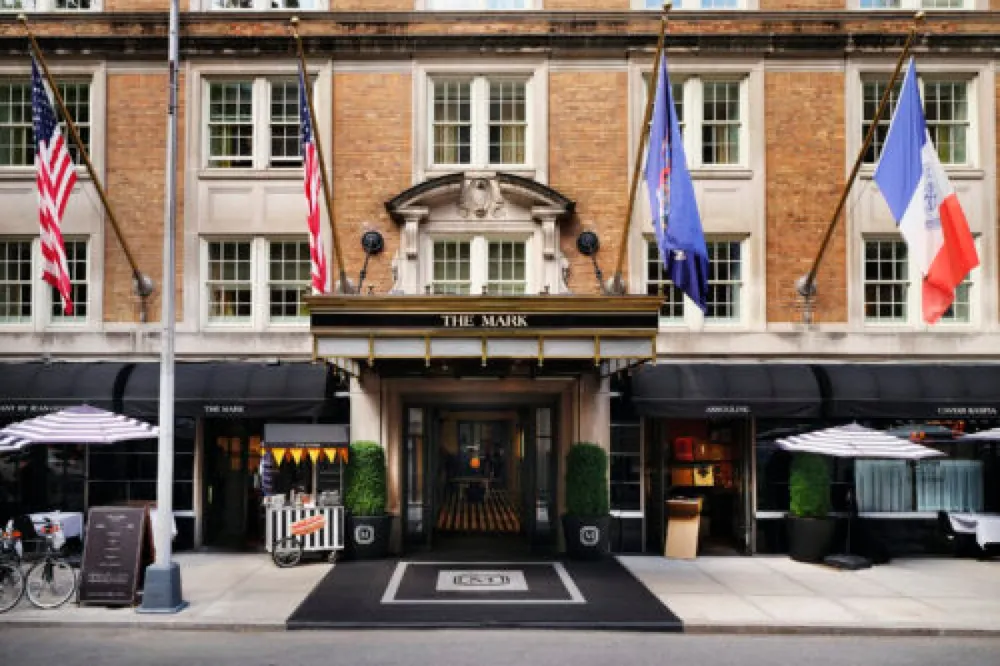
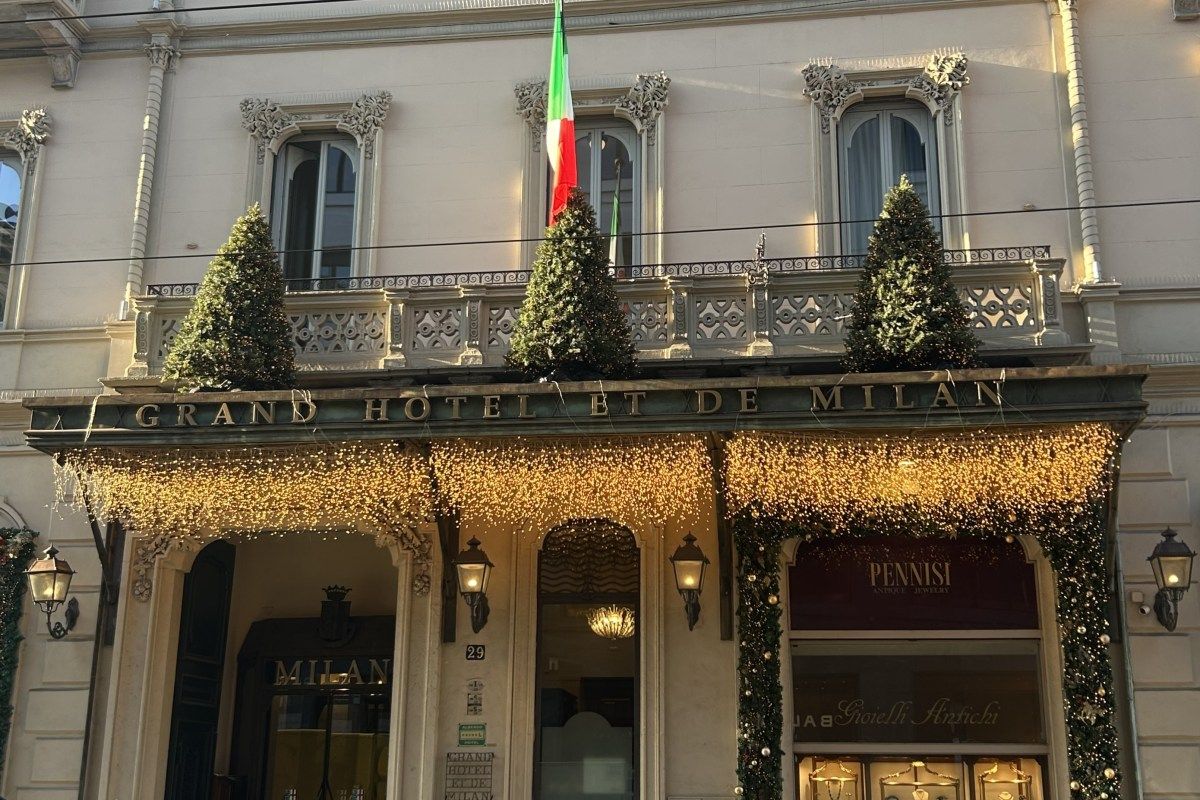
On Via Manzoni, in Milan's Montenapoleone district and a short walk from Teatro alla Scala, the Grand Hotel et de Milan has stood since it opened its doors on 23rd May 1863, becoming the city's first grand hotel. Commissioned from the architect Andrea Pizzala and built in a neo-Gothic mood, it arrived with postal and telegraph services and a hydraulic lift so novel that opera-goers simply called it 'the Milan'. The connection to music runs deeper than nostalgia: Giuseppe Verdi made the hotel his home for twenty-seven years, composing Otello and Falstaff at the desk still kept in what is known as the Verdi Suite. Today the Bertazzoni family, custodians for three generations, oversee 95 rooms and suites, a restaurant named after one of Verdi's own operas, and a bar that has served Visconti and Maria Callas alike. The MICHELIN Guide recognises the house with Two MICHELIN Keys.
Grand Hotel et de Milan
Hotel · Montenapoleone
© OpenStreetMap contributors · OpenFreeMap
- Address
- Via Manzoni 29, 20121 Milan, Italy
- Opened
- 23 May 1863
- Rooms
- 95
- Restaurants
- Don Carlos, Caruso Nuovo Bistrot, Gerry's Bar
- Telephone
- +39 02 723141
- Website
- grandhoteletdemilan.it
- MICHELIN Guide
- Two MICHELIN Keys
Neo-Gothic hotel on Via Manzoni where Verdi lived for 27 years; now Two MICHELIN Keys.
01The house
The architect Andrea Pizzala, who had already built Milan's Galleria De Cristoforis, designed the original building, and the construction was commissioned to architect Andrea Pizzala and was inspired by the neo-Gothic movement. From the start it offered services fitting of a grand hotel of the capital of the Kingdom of Lombardy–Venetia: postal and telegramming services, as well as a hydraulic elevator. The hotel's old Stigler lift, recovered during a later renovation and still currently in use, still carries guests between floors, and opera-goers simply coined the hotel "the Milan".
War reached Via Manzoni too: in 1943 the fourth floor was completely destroyed during an air raid, and the hotel reopened on 24th June 1946, maintaining its prestige unchanged, with the architect Giovanni Muzio taking on its postwar restoration. A further renovation in the early 1990s turned up something far older: the cellars below Don Carlos Restaurant, where fine wines are now tasted among preserved Roman walls dating back to 250 AD. By then the hotel had long since taken over its neighbours — a tobacconist became Don Carlos, a barber's became Caruso's, and even a brothel was absorbed, to the relief of the neighbours — and for three generations it has been managed with dedication by the Bertazzoni family.
02Rooms and suites
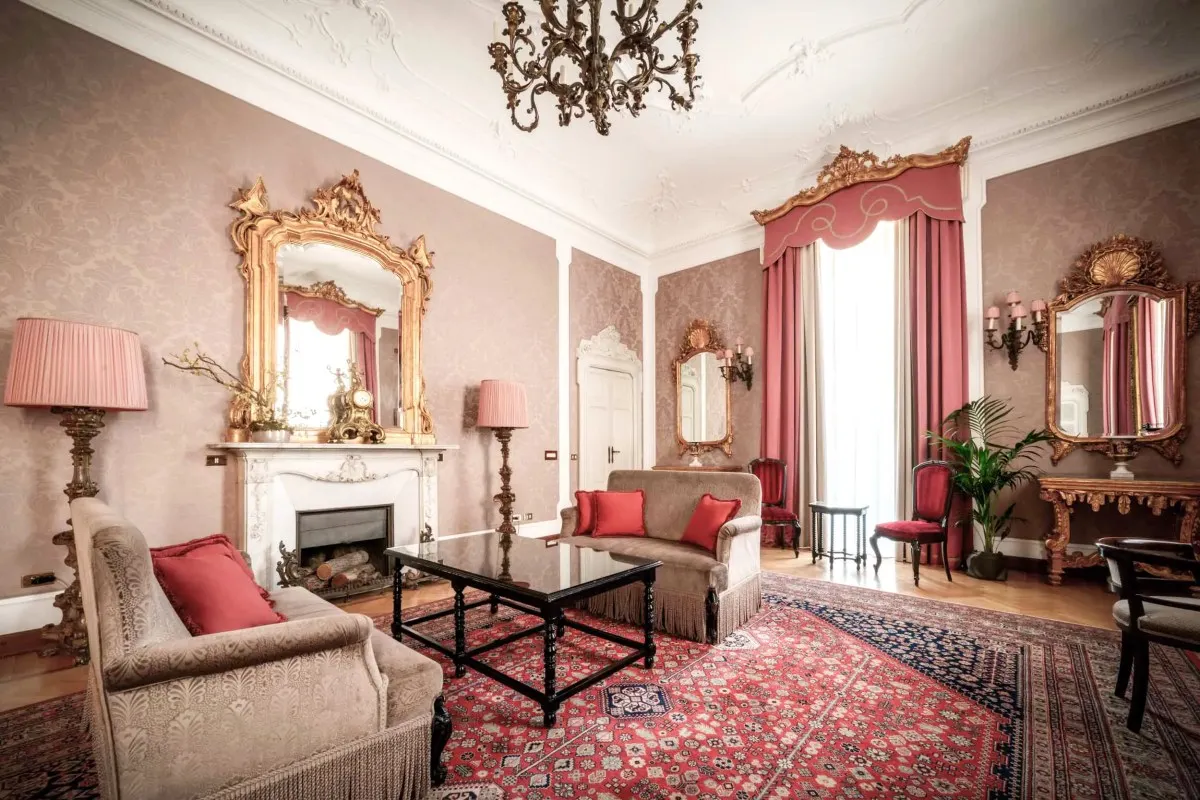
Of the 95 understatedly elegant rooms, furnished with antiques, parquet floors and richly patterned rugs, with marble bathrooms stocked with Etro toiletries, seventy-two are rooms and twenty-three are suites and junior suites, no two alike since the building dates from the 1800s. Technology throughout is thoroughly modern, in a hotel that was the first in Milan to offer a telegraph service.
Insider tipDinner at Don Carlos needs booking ahead; it opens only Tuesday to Saturday evenings.
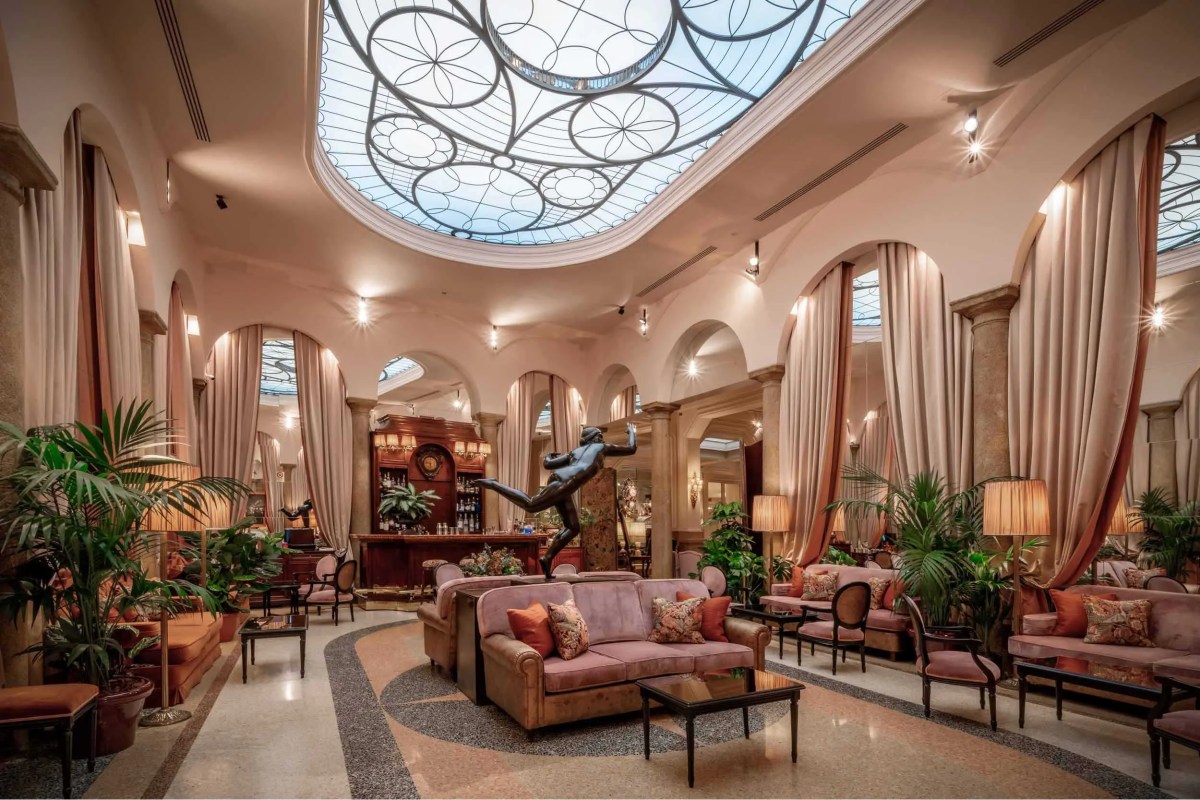
The Presidential Suite is named for Giuseppe Verdi, who lived and composed here for twenty-seven years, and guests can still book his old rooms, suite 105/106, where the desk he composed Falstaff and Otello on remains in place. Twelve further suites are dedicated to other great artists the hotel has welcomed, from Caruso to Visconti, each honouring the stars who stayed, down to mementoes such as a fan or a sketch. In room 306, Caruso made the recording that turned him into the world's first music superstar, and on the wrought-iron staircase it is easy to picture a bejewelled Maria Callas sweeping down on her way to a performance, or Verdi himself pausing in the marbled lounge before a sold-out night at La Scala.
03Where to eat
Don Carlos takes its name from Verdi's opera, and its walls are lined with art from La Scala's own museum, alongside well-prepared traditional Italian cooking. The MICHELIN Guide lists the restaurant among its selection, dinner runs Tuesday to Saturday, and a smart dress code is observed in keeping with the candlelit, operatic mood of the room.
Below the dining room, a wine tasting can be booked among the cellar's preserved Roman walls, dating back to around 250 AD, where the sommelier's list leans on small, independent Italian producers rarely found outside the country.
The hotel's second restaurant reopened as Caruso Nuovo Bistrot with a new name, a new image, an interior by Dimorestudio, and a kitchen led by chef Gennaro Esposito with executive chef Francesco Potenza. Its veranda looks onto Piazzetta Croce Rossa, making it a natural meeting point for the Via Montenapoleone shopping crowd, open for breakfast, lunch and dinner.
04Spa and wellbeing
There is no spa or pool here — the fitness centre is compact, with modern cardio equipment and free weights — but it sits on a covered terrace surrounded by the hotel's gardens, and guests can schedule a personal trainer, a private yoga session or an in-room massage rather than go looking for treatments elsewhere. It is a deliberately modest concession in a hotel that otherwise spends its space on history.
05The neighbourhood
Teatro alla Scala is just 674 steps from the lobby, and the relationship runs well beyond proximity: as an official partner of the opera house, the hotel arranges reserved performances, private backstage visits and tailored pre- and post-theatre plans for guests who want more than a seat in the stalls.
Fabulous, if pricey, shopping on Via Montenapoleone begins right outside the door, a few minutes from the Poldi Pezzoli Museum, a private house-museum on Via Manzoni that opened to the public in 1881, and from the glass-domed Galleria Vittorio Emanuele II on the far side of the opera house.
06Making the most of a stay
Ask for suite 105/106 if the Presidential Suite is already taken: it is Verdi's old room, where the Maestro composed Falstaff and Otello at the desk still in place. Book Don Carlos well ahead, since it opens only four evenings a week, and leave time before dinner to walk down to the cellar and see the Roman wall. For an evening at La Scala, let the concierge use the hotel's own arrangement with the theatre rather than booking tickets independently — reserved performances and private backstage visits are not offered to every passer-by on Via Manzoni.
Don't miss
Don't miss
- 01
Book suite 105/106, Verdi's old room, where he composed Falstaff and Otello
- 02
See the Roman defensive wall, c. 250 AD, in the Don Carlos wine cellar
- 03
Arrange an opera night through the hotel's partnership with La Scala, 674 steps away
- 04
Take an aperitivo on the Caruso Nuovo veranda over Piazzetta Croce Rossa
- 05
Walk the wrought-iron staircase, then step straight onto Via Montenapoleone