In this story · 6 sections
Gui Steakhouse & Prime Rib fills two floors of a building on Eighth Avenue that, until recently, was a branch of Staples. The Korean steakhouse from chef Sungchul Shim sits in a space on a busy stretch of 8th Avenue that formerly belonged to the stationery chain. Shim had already made his name in the city with the MICHELIN-starred Mari and Kochi before opening Gui, which he has described as a project a decade in the planning and, by his own account, the fulfilment of a long-held wish to run a steakhouse of his own in the middle of Times Square. The kitchen treats the American chop-house format as a starting point rather than a script, pairing live-fire grilling and dry-aged beef with a raw bar, a koji-crusted prime rib and shared rice dishes that close the meal in the Korean manner. It is, as Shim puts it, a classic steakhouse concept carrying a great deal of Asian flavour, down to the way the meal is brought to a close. Gui is Selected in the MICHELIN Guide, a distinction that sets it apart from the tourist-trade chop houses that usually cluster around this corner of Midtown.
Gui Steakhouse & Prime Rib
Restaurant · Theater District / Hell's Kitchen
© OpenStreetMap contributors · OpenFreeMap
- Address
- 776 8th Ave, New York, NY 10036
- Cooking
- Steakhouse, Korean Contemporary
- Chef
- Sungchul Shim
- Run by
- Chef Sungchul Shim (owner)
- MICHELIN Guide
- Selected in the MICHELIN Guide
- Price
- Spare no expense
- Open
- Lunch 12–2:30pm daily; dinner from 4pm
- Covers
- 130 seats, plus two private dining rooms
- Setting
- Former Staples store, Times Square
- Nearest station
- 50th Street (C, E)
- Telephone
- +1 646-329-5929
- Website
- guinyc.com
Chef Sungchul Shim's steakhouse pairs live-fire dry-aged beef with Korean technique, steps from Times Square.
01The room and the setting
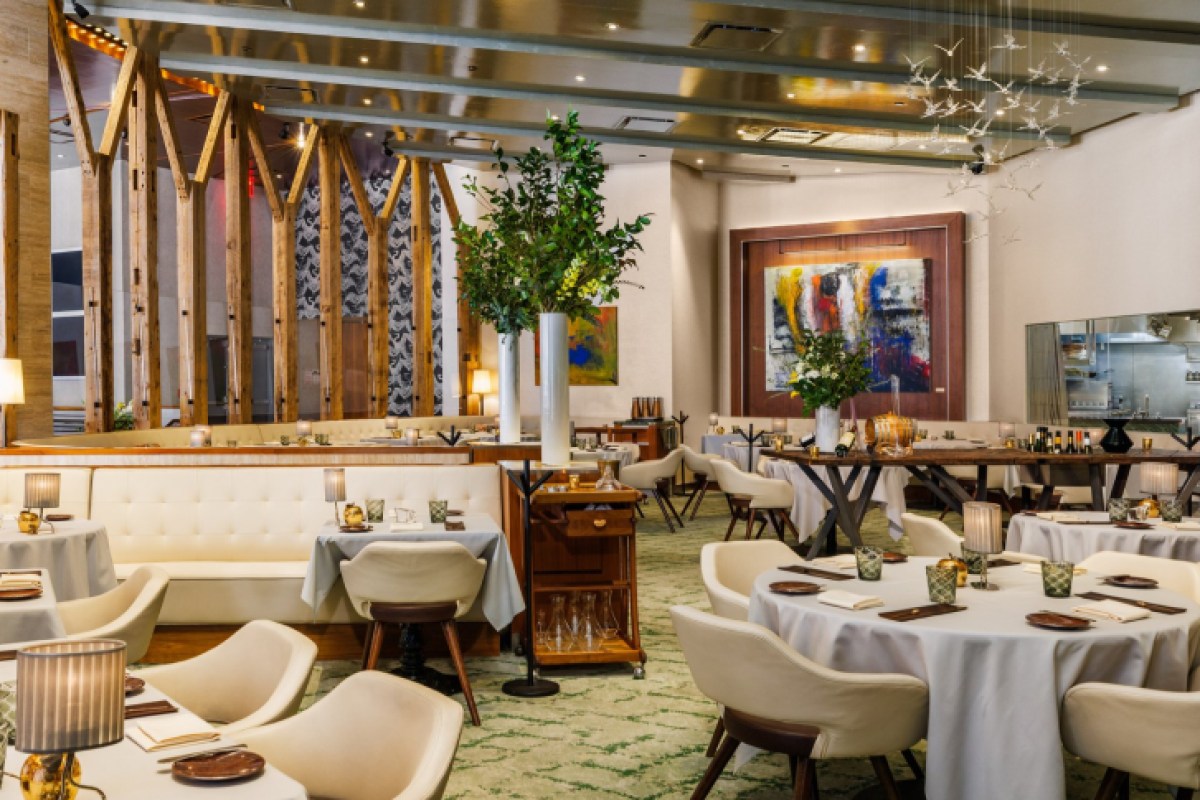
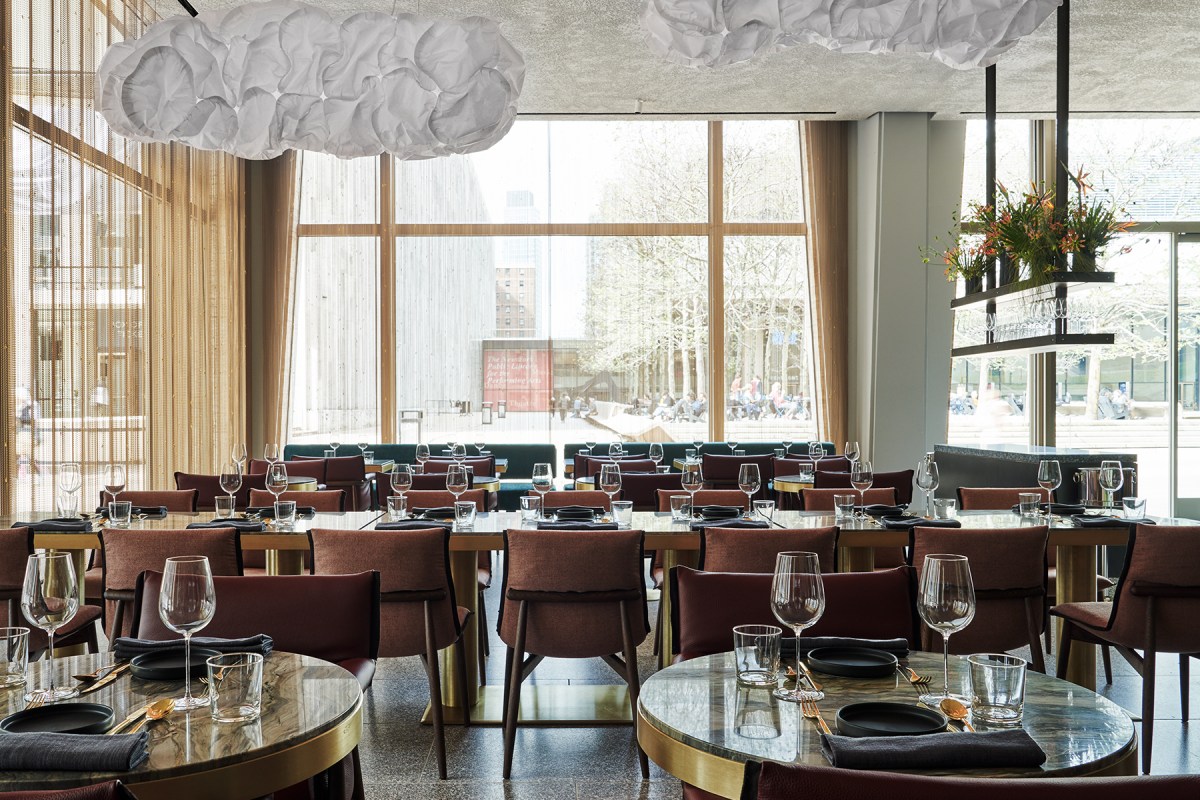
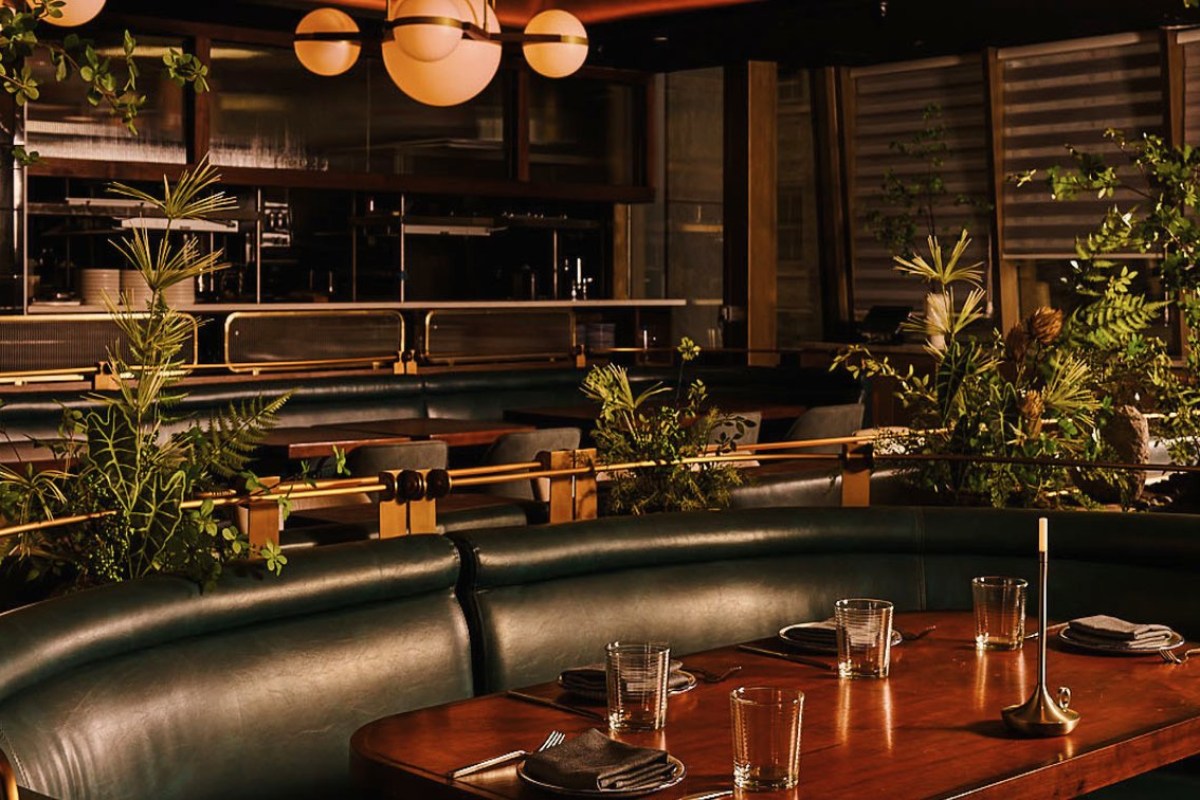
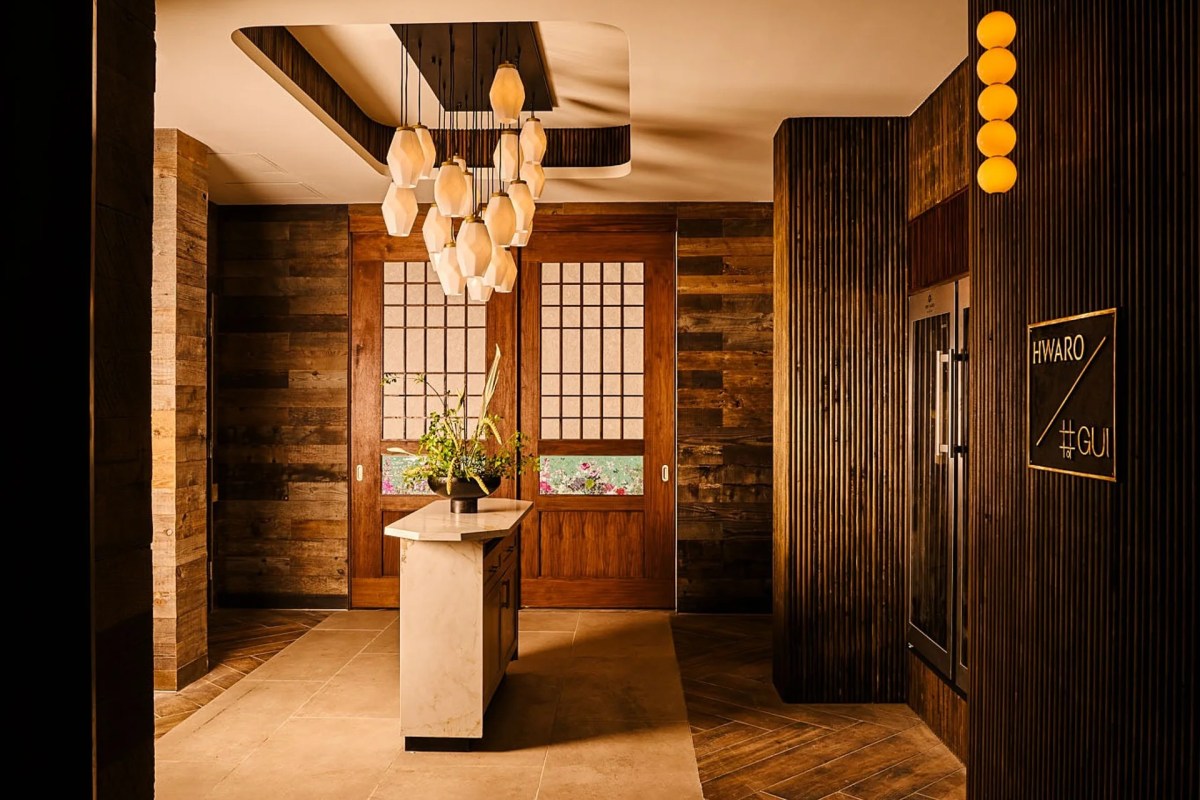
Guests enter at street level through Bar92 and travel by lift to the second floor, where the doors open onto a wall of glowing meat lockers before the dining room reveals itself. The main restaurant sits one floor above the ground-floor bar, and arriving guests are sent up by elevator once their table is ready, the doors opening onto a row of illuminated fridges holding steaks of various ages. The room seats 130 guests across curved, blue-green leather booths and tables, several of which face an open kitchen where Shim himself can often be seen working under the stark white light. Shoji screens, hanging globe fixtures and iridescent mother-of-pearl inlay brought from Korea soften the room's glamour. Curved leather banquettes, shoji screens and globe lighting are set off by jagae, the Korean mother-of-pearl inlay, worked into details throughout the main room and the bar below. Two private dining rooms are available for larger parties. The 130-seat restaurant also holds two private dining rooms.
02The chef
Sungchul Shim moved to New York in 2005 to train at the Culinary Institute of America, taking his first externship at Le Bernardin before working his way through some of the city's most demanding kitchens. After arriving to study at the Culinary Institute of America, he landed an externship at Le Bernardin and went on to cook under Thomas Keller at Per Se, Charlie Palmer at Aureole and Gordon Ramsay at The London NYC. Those years shaped Mari and Kochi, the two Korean restaurants that built his reputation and each went on to collect a MICHELIN star. Both Kochi and Mari have earned a Michelin star. Gui is his fifth restaurant in the city and the one he had wanted to open longest. It is his fifth restaurant in New York. He nearly died of Covid-19 while trying to keep an earlier, fledgling restaurant afloat, and once he recovered he delivered takeout and meal kits to customers himself rather than let the business fold. During the pandemic, Shim, who nearly died from the virus, was determined to make his struggling Hell's Kitchen restaurant work, and once he recovered he personally delivered takeout food and meal kits to customers. Of the stars his kitchens have earned since, he has said plainly that the honour belongs to the restaurant and its team, not to him alone. He insists the star recognition belongs to the restaurant rather than to him personally, crediting the service, the food and the guest experience as a whole.
Insider tipSelected in the MICHELIN Guide; dinner nightly, lunch Mon–Sun; book via the restaurant's own site.
03The cooking
Shim is firm that Gui is a steakhouse rather than a tableside Korean barbecue, and the menu is built to prove the point while still working Korean technique into nearly everything it serves. He wants guests to understand this is a steakhouse concept, not a Korean barbecue restaurant where diners grill their own food at the table. Steaks are dry-aged and finished over a live fire stoked with a mix of wood and Korean charcoal. The steaks are dry-aged and cooked over live fire fuelled by a combination of wood and Korean charcoal. The kitchen's set piece is a prime rib built on a wet-dry cooking technique that keeps it over the fire for the better part of a day, finished with a koji-fermented, five-pepper crust and a final hit of hot beef tallow. The signature prime rib is prepared with a shio kombu and koji crust, using a wet-dry technique that cooks the meat for close to seven hours and can take up to thirty hours to complete from start to finish. The house steak sauce swaps the usual peppercorn and béarnaise for a blend built on Korean soy, seaweed and herbs, and even the Caesar carries a dressing sharpened with fermented plum. Alongside classic steakhouse sauces, Shim offers a house-made sauce built from Korean soy sauce, seaweed and herbs, and his Caesar dressing is made with fermented plum.
04What to order
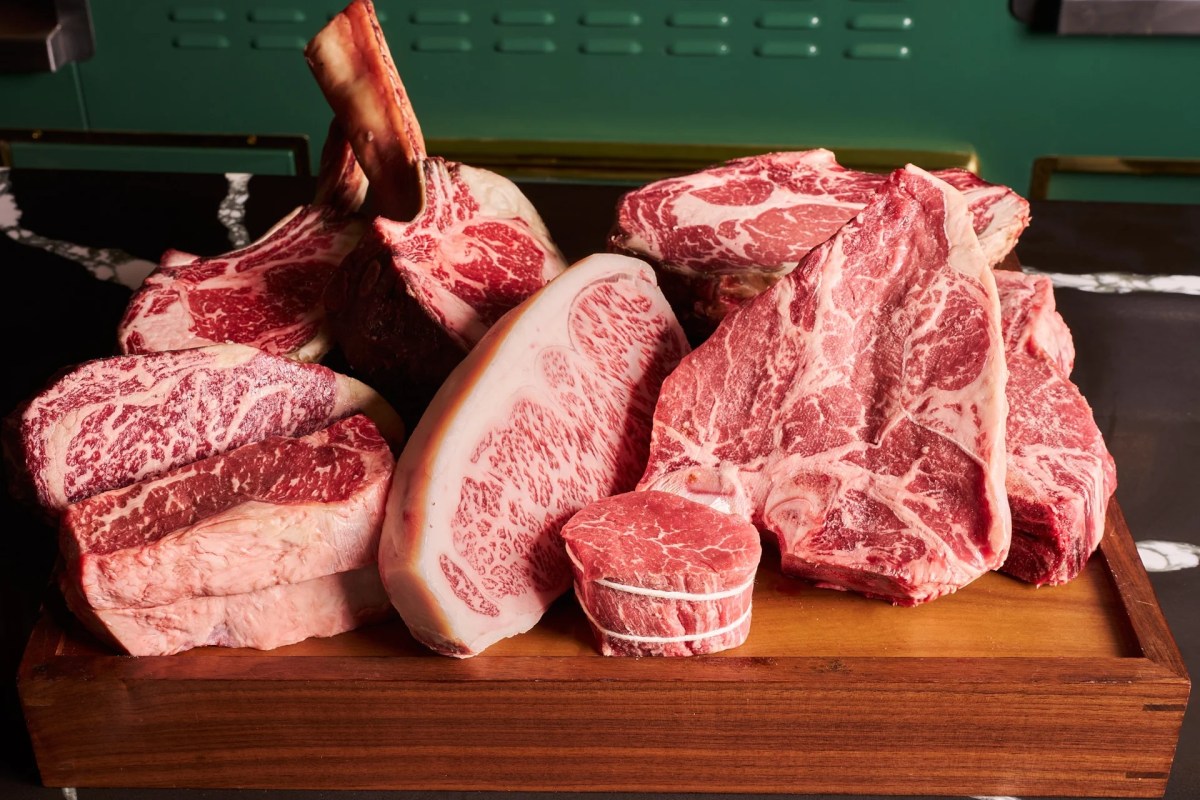
The raw bar opens the main menu with the GUI Platter of oysters, lobster tail, prawn, clam and scallop sashimi, scaling up to the Grand Platter with uni and razor clams for bigger tables. From there, the kitchen offers an A5 Wagyu Katsu Sando with truffle brie and milk bread, and Yookhwe, a tartare of prime fillet mignon dressed with gochujang and seaweed chips. Steaks run from a 28-day dry-aged bone-in ribeye and New York strip to a 45-day porterhouse and, by the ounce, Japanese A5 wagyu from Kagoshima. Beyond the grill, kimchi wagyu fried rice, dan dan noodles and a sundubu jjigae of chadol brisket and soft tofu give the meal its shared, family-style close, and a whole grilled branzino with romesco keeps a classic steakhouse foot in the door. At lunch, the Prime Rib Experience is served for one, two or four to share with pomme purée, creamed corn and rice cooked to order in an individual stainless-steel pot.
Don't miss
Don't miss
- 01
The 72-hour, koji-crusted USDA prime rib finished with hot beef tallow
- 02
A5 Wagyu Katsu Sando with truffle brie and milk bread
- 03
Yookhwe, a prime fillet mignon tartare with gochujang and seaweed chips
- 04
The 45-day dry-aged porterhouse or Japanese A5 wagyu by the ounce
- 05
Hwaro's 13-course Korean tasting counter upstairs
05Bar 92 and Hwaro
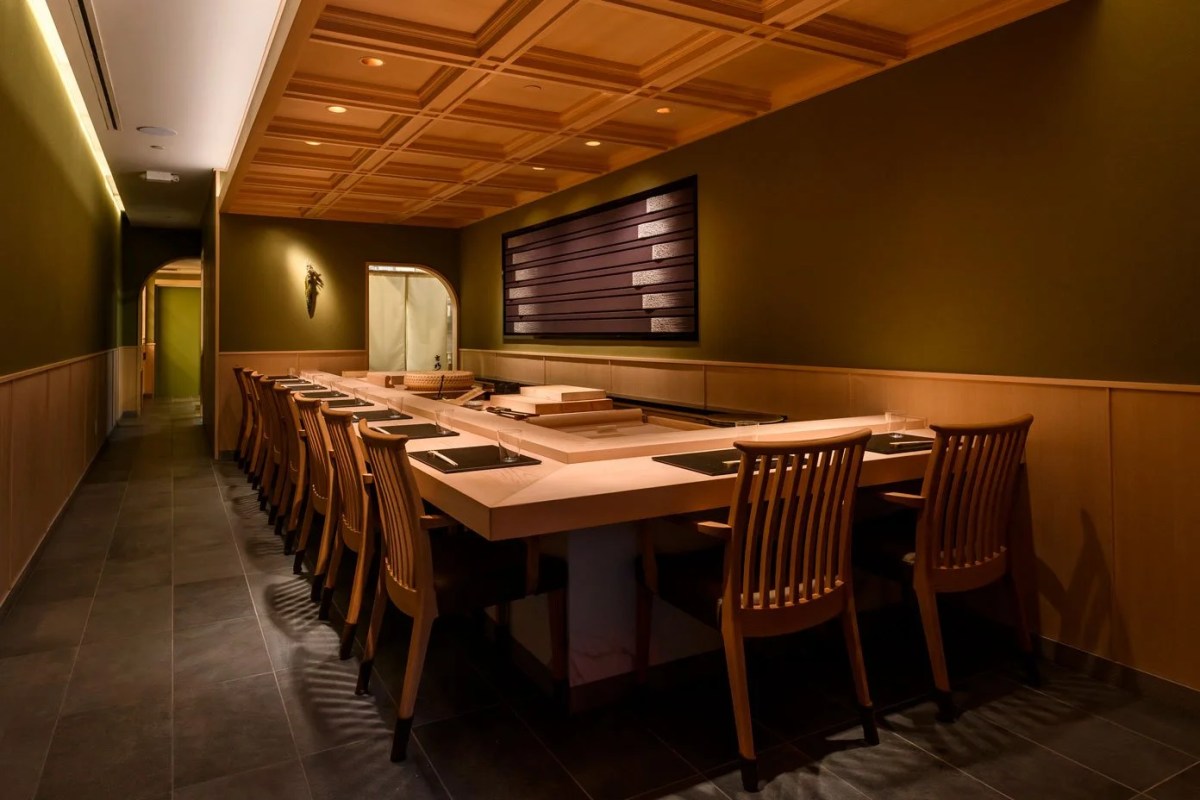
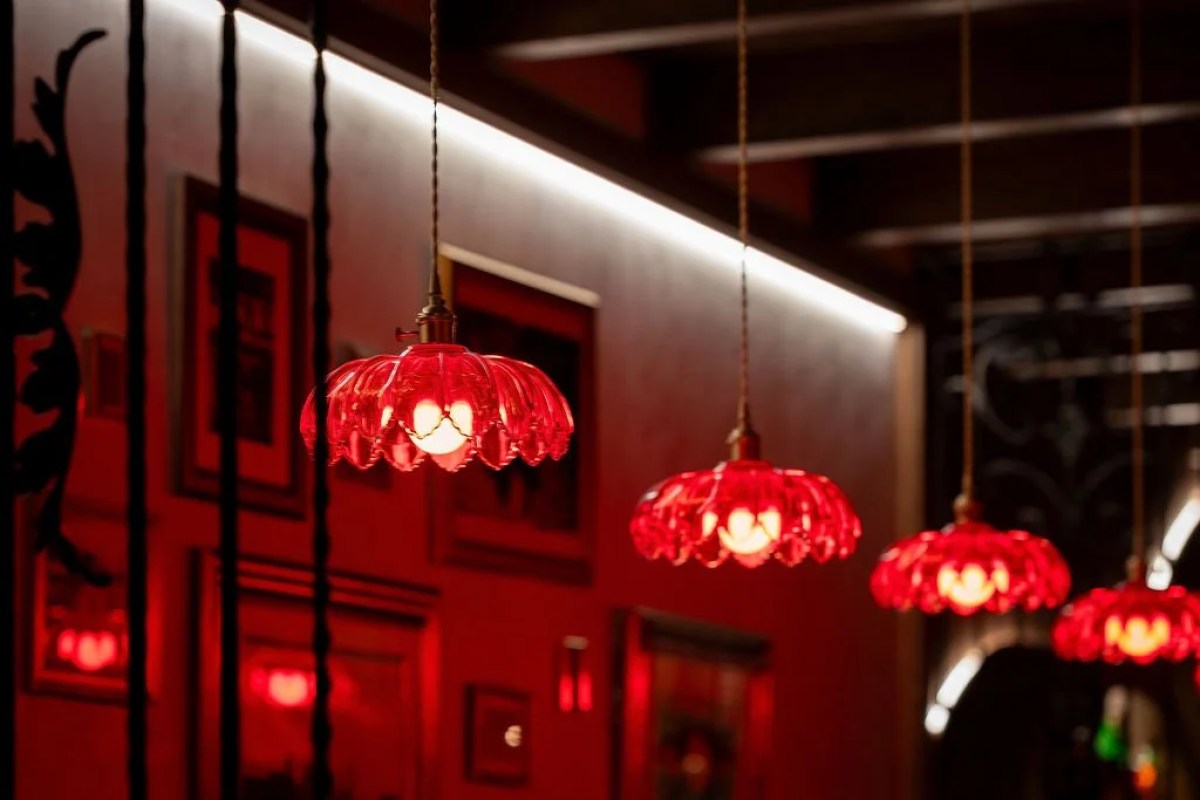
Ground-floor Bar92 is both the entrance and a destination in its own right, a 38-seat room whose name is a piece of Korean wordplay: say the numbers nine and two together and they sound like the word for grill. On the ground floor sits Bar 92, a 38-seat lounge whose name plays on the Korean words for nine and two, which when pronounced together also mean grill. It runs its own short, Asian-inflected menu alongside cocktails built on oolong tea and baijiu. The ground-floor bar serves its own oolong-infused and baijiu-based cocktail menu, working as a standalone hang before or after the main event upstairs. Upstairs, tucked inside the same building, Shim opened a second, much smaller restaurant in October 2025: Hwaro, a 22-seat circular counter built around a central chef's station, serving a 13-course Korean tasting menu. Hwaro, with its circular chef's counter in the Theater District, opened as a 22-seat Korean spot offering a 13-course tasting menu. The room is finished with jagae mother-of-pearl inlay, handmade ceramics and glassware, and a custom Molenti grill suite at its centre. The intimate space is designed with warm wood tones, marble countertops, handcrafted Korean details including jagae inlay and a variety of ceramics and glassware, built around a custom Molenti grill suite.
06The neighbourhood
Gui stands on Eighth Avenue between 47th and 48th Streets, in the thick of the Theater District, which makes it a natural stop before or after a show even though it rewards a visit on its own terms. The restaurant opened on 22 February at 776 Eighth Avenue, between 47th and 48th Streets. It is Shim's third restaurant in Hell's Kitchen, part of a wider run of ambitious Asian dining reshaping these blocks around Ninth and Tenth Avenues. Shim's opening of Gui marks his third restaurant in Hell's Kitchen, arriving as the neighbourhood's Asian culinary scene continues to grow. By the summer of 2025, Time Out had already added Gui to its list of New York's best steakhouses. In August 2025, Time Out added chef Sungchul Shim's Korean-inflected steakhouse Gui to its guide.