In this story · 6 sections
On Sofies gate, a short walk from the floodlights of Bislett Stadium, Kolonialen Bislett occupies a storefront that once rang up groceries rather than Burgundy. It opened in August 2016 as the second act of Pontus Dahlström, the Finnish-born sommelier who had co-founded Maaemo and helped steer it to three MICHELIN Stars before stepping away. Here the register is lower and the mood looser: a neighbourhood bistro rather than a tasting-menu temple, built on oysters, cured meats and Norwegian classics cooked with an eye for season and sourcing. It is selected in the 2026 MICHELIN Guide Norway under Modern Cuisine, a nod to a kitchen that treats familiar bistro staples with real technique rather than tourist-menu shortcuts. The restaurant shares its building with the Bislett tram stop corner of St. Hanshaugen, close enough to the centre to be a true local, far enough to feel like an insider's address.
Kolonialen Bislett
Restaurant · Bislett, St. Hanshaugen
© OpenStreetMap contributors · OpenFreeMap
- Address
- Sofies gate 16, 0170 Oslo
- Cooking
- Modern Cuisine
- Run by
- Pontus Dahlström (co-founder, ex-Maaemo)
- MICHELIN Guide
- Selected in the MICHELIN Guide
- Price
- A moderate spend
- Open
- Mon–Sat; closed Sundays
- Setting
- Neighbourhood bistro in a former grocer's shop
- Telephone
- +47 901 15 098
- Website
- kolonialenbislett.no
Pontus Dahlström's post-Maaemo project: bistro cooking, a terrace and an 800-bottle wine list.
01The room and the setting
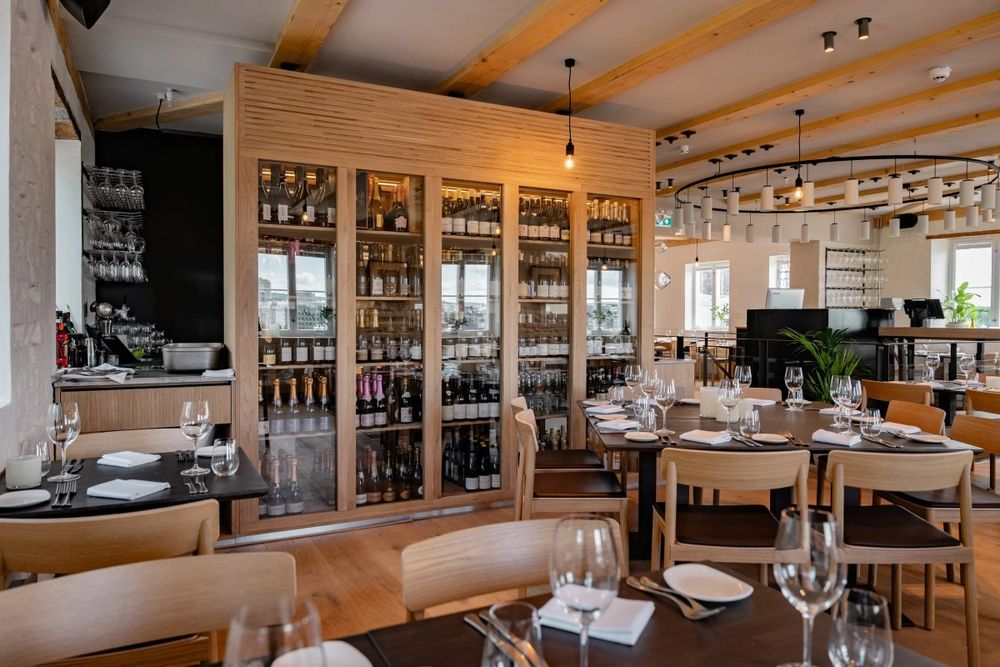
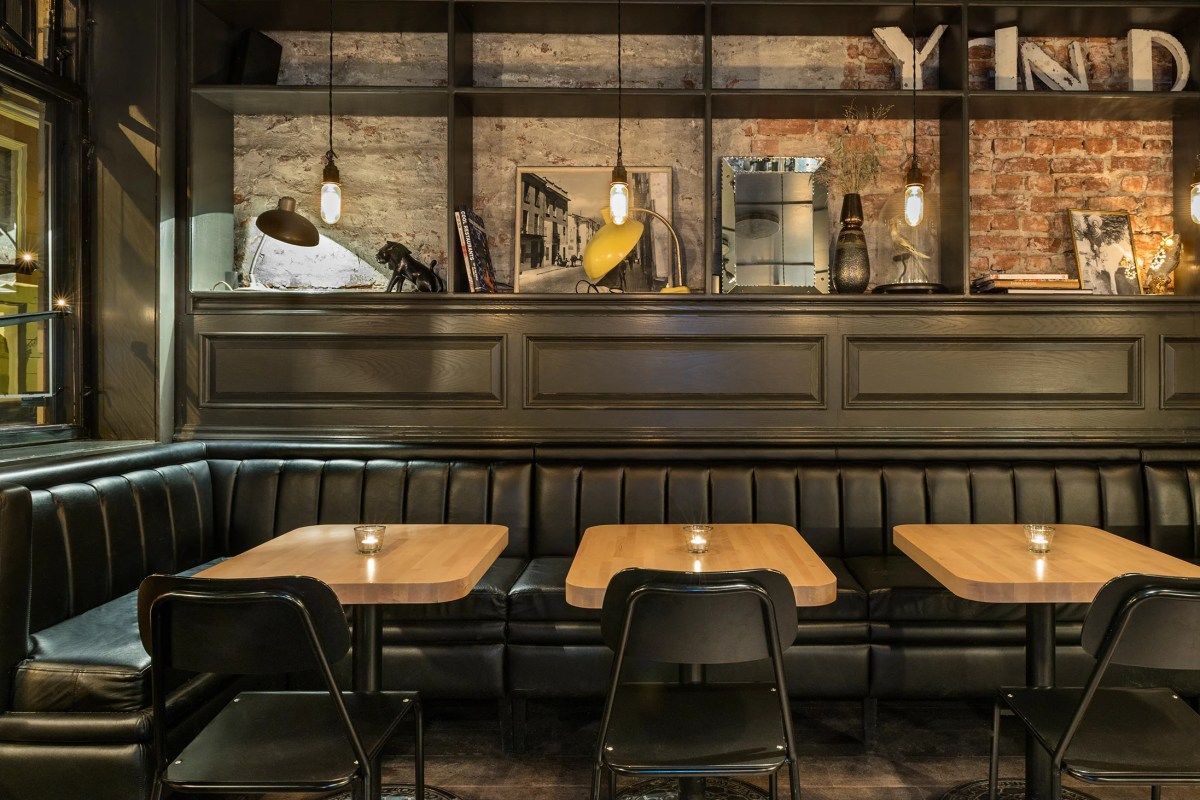
Kolonialen Bislett runs the full length of a former grocer's shop, and the character of the space still leans towards everyday local rather than special-occasion dining. The restaurant describes itself as having an informal atmosphere and an international feeling, with a casual interior suited equally to a quick Saturday lunch or a long dinner with friends.
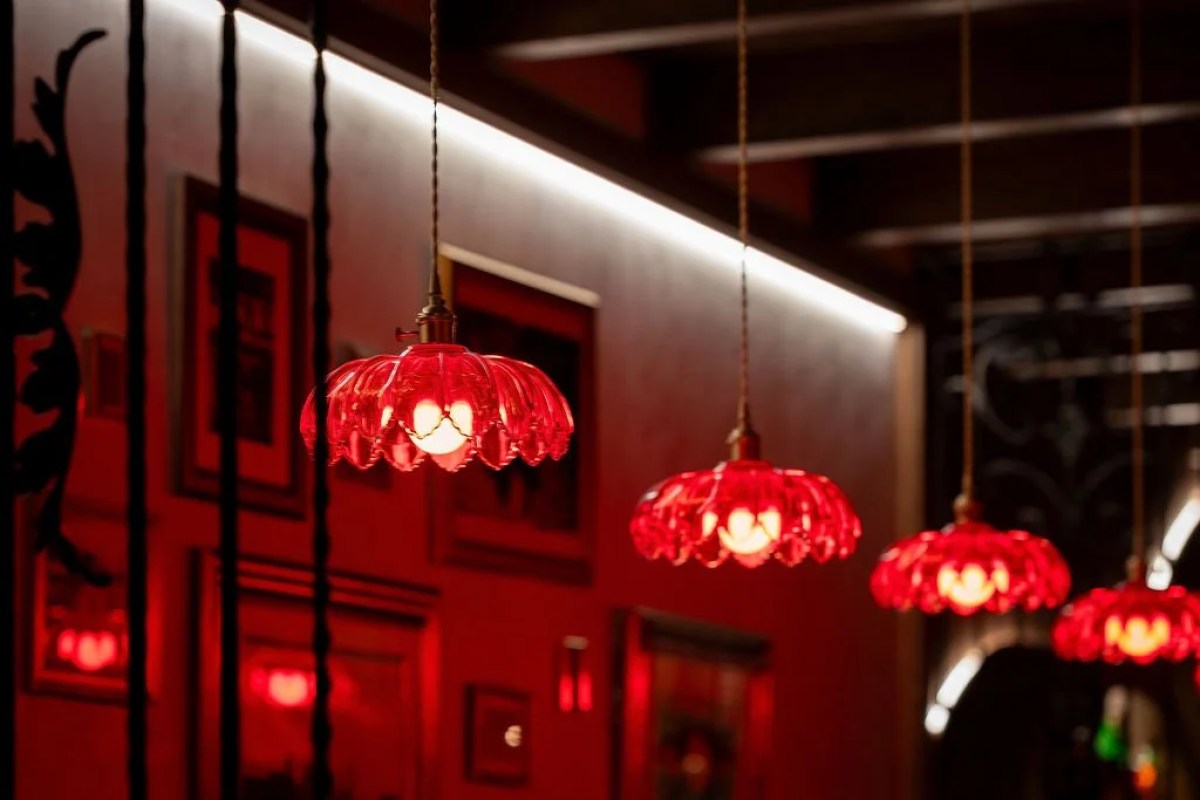
The building has an unusual quirk: it shares a wall with the interior design shop Eske next door, and the partition between the two spaces can be pulled aside during opening hours, letting the restaurant spill into the shop's stock of furniture and curios. The floor is laid in a chessboard pattern, and the walls carry a loose, collected mix of pictures, oddities and lamps, giving the room the feel of a corner brasserie in provincial France rather than a purpose-built restaurant. A terrace extends the seating outdoors when the weather allows.
02The owner
Pontus Dahlström began his working life early: he started his first business in his native Finland at fourteen and was running an eight-strong ice-cream kiosk chain by sixteen. His restaurant career proper began under Eyvind Hellstrøm at Bagatelle, before he moved into wine importing and then, in 2010, co-founded Maaemo in Oslo with chef Esben Holmboe Bang.
Insider tipClosed Sundays; booking online for up to six, email for larger groups.
Maaemo became Norway's first three-MICHELIN-starred restaurant, and Dahlström ran its floor and cellar as sommelier and founding partner until exhaustion forced him out. After selling his stake, he opened Kolonialen on Bislett as a calmer, more sociable project — one built around his own appetite for good bottles and good company rather than the relentless pursuit of stars.
03The cooking
The kitchen's brief, in the restaurant's own words, is to cook with the ingredients it likes, in the season they are best, applying experience in responsible and ethical sourcing to vegetables, meat and fish so the food can be served at the best possible price. It is a deliberately short menu rather than an exhaustive one, built around snacks, oysters and cured meats alongside a handful of starters and mains that change with what is available.
At its opening in 2016, under Australian head chef Jay Boyle — previously of both Maaemo and Kontrast — the kitchen was already showing a trained hand on bistro ingredients: raw scallops with snap peas, lardo and chamomile; a milk-poached flounder with mussels and burnt kohlrabi; a soft egg with pumpkin 'spaghetti' and chanterelles. The register has stayed the same since — rustic plates built on precise technique, which is why Norwegian reviewers keep returning to the shorthand 'ex-Maaemo' when they describe the food.
04Wine and drinks
The cellar is the part of Kolonialen that draws its own following. The list runs to more than 800 labels, French-centric with Burgundy at its core, alongside a deep run of German Rieslings and bottles from further afield — a direct expression of Dahlström's training and his contacts in the wine trade.
By-the-glass pours are taken seriously rather than treated as an afterthought: the restaurant encourages guests not to be shy about asking for something unusual by the glass, and the wine team — Dahlström alongside sommelier William Stübner — has built a reputation among Oslo's wine drinkers as much as its diners.
05The neighbourhood
Kolonialen sits in Bislett, the St. Hanshaugen neighbourhood best known internationally for the Bislett Games athletics meeting held at the stadium a few streets away. The restaurant itself notes it is located between St. Hanshaugen and Pilestredet, with bus and tram stops close enough to put the city centre about ten minutes away by public transport.
It is a part of Oslo built on quiet residential streets and small shops rather than tourist traffic, which suits a restaurant that has always presented itself as a neighbourhood fixture rather than a destination address.
06When to go and booking
Kolonialen is closed on Sundays. From Monday to Friday the kitchen runs from 5pm, closing at 10pm, while Saturday adds a lunch service from midday to 3pm followed by a dinner service from 4.30pm. Saturday lunch takes a seasonal break and resumes in mid-August; the restaurant also closes for summer holidays from late June, reopening in late July.
Tables for up to six can be booked online; larger parties are asked to email the booking team directly, and walk-ins are seated strictly first come, first served — worth bearing in mind given the cellar's reputation tends to fill the room on busy nights.
Don't miss
Don't miss
- 01
The by-the-glass list from a cellar of more than 800 wines, Burgundy-led
- 02
The chessboard floor and the shared wall with interior shop Eske next door
- 03
Oysters and cured meats to start, in the old grocer's-shop room
- 04
The short, seasonal menu built on ethically sourced produce
- 05
A table on the terrace when Bislett's evenings allow it