In this story · 7 sections
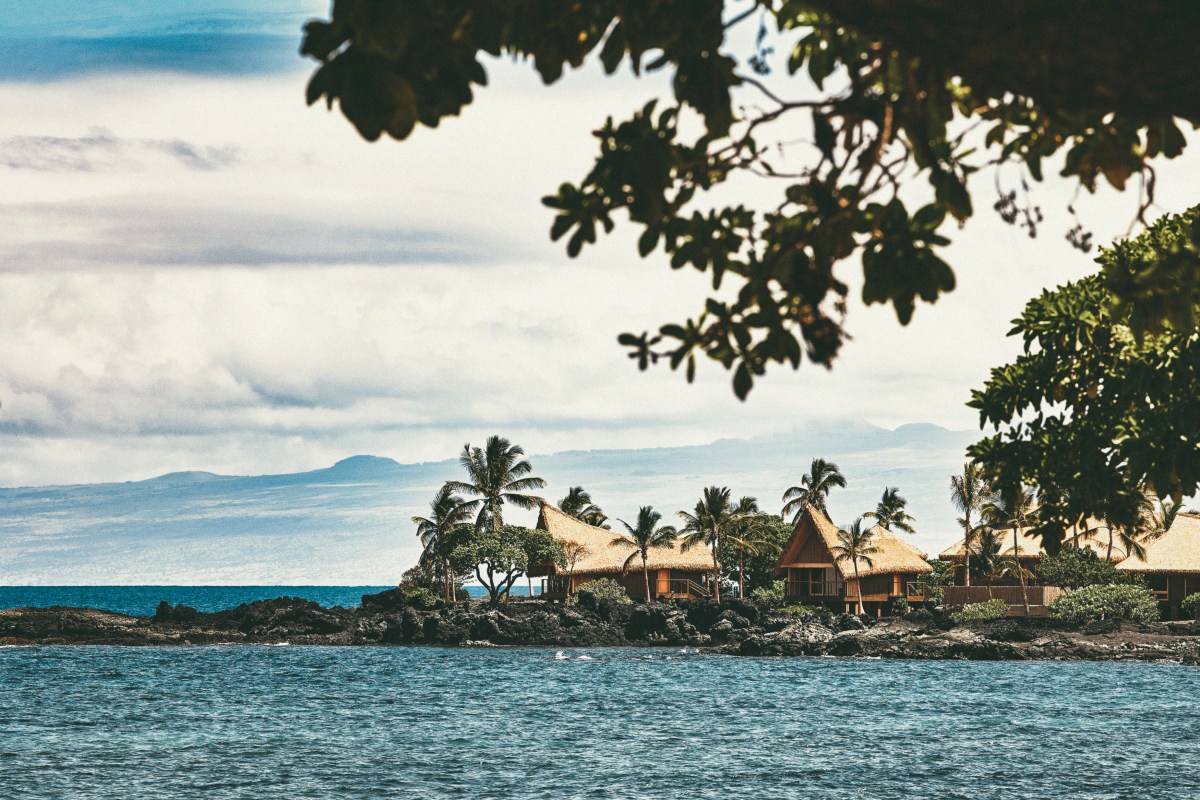
On the lava-black shore of Kahuwai Bay, on the leeward Kona Coast of Hawaii Island, Kona Village, A Rosewood Resort occupies ground that earned its reputation decades before Rosewood ever arrived. In 1965, Johnno Jackson and his wife, Helen, arrived at the abandoned village after sailing much of the South Pacific on their schooner, and the place they built became one of the more mythologised hideaways in American resort history: a place with no air conditioning, no phones, no clocks in many rooms, and a guest list that reportedly included sitting presidents and Silicon Valley founders who came precisely because nobody there cared who they were. On 11 March 2011, a tsunami generated by the Tohoku earthquake tore through its oceanfront hale. Kennedy Wilson acquired the resort in 2016 and led a redevelopment built around sustainability and local culture, reopening after seven years of development on 1 July 2023 as a 150-hale property across 81 acres. The MICHELIN Guide awards it Three Keys, its highest distinction, for a resort built on restraint rather than spectacle.
Kona Village, A Rosewood Resort
Hotel · Kaʻūpūlehu, Kona-Kohala Coast
© OpenStreetMap contributors · OpenFreeMap
- Address
- 72-300 Maheawalu Drive, Kailua-Kona, HI 96740
- Opened
- 1965; rebuilt and reopened 1 July 2023
- Rooms
- 150
- Restaurants
- Moana, Kahuwai Cookhouse & Market, Shipwreck Bar & Sushi, Talk Story Bar, Moana Cocktail Bar
- Spa
- Asaya Spa
- Telephone
- +1 808 865 0100
- Website
- rosewoodhotels.com
- MICHELIN Guide
- Three MICHELIN Keys
150 free-standing hale and 37 kauhale suites across 81 acres of lava coastline, rebuilt over seven years.
01The house
The resort's origin story is close to folklore on the Big Island. Johnno and Helen Jackson sailed much of the South Pacific before anchoring at the deserted fishing village of Kaʻūpūlehu and founding Kona Village in 1965, and for the next five decades the resort welcomed guests from all over the world, never losing what staff called its beating heart. Families returned year after year, flying in on small planes to a place that resisted every convention of a modern hotel. That history ended abruptly on 11 March 2011, when a tsunami generated by the Tohoku earthquake tore through the property's oceanfront hale, and the land sat closed for over a decade.
Kennedy Wilson acquired the resort in 2016 and spent seven years rebuilding it, working with Hawaiʻi-raised architect Greg Warner of Walker Warner Architects and San Francisco interior designers NICOLEHOLLIS, with landscape design led by Don Vita of VITA Planning & Landscape Architecture. Demolition of the old structures was handled by the non-profit Re-Use Hawaiʻi, and more than 80 per cent of the original materials were salvaged and returned to the island as building stock, while the new thatched roofing uses recycled fibre rather than traditional native leaves. The resort now runs on one of the largest privately owned solar microgrids in the state, close to 9,000 panels over a two-acre plot, with several buildings certified LEED Gold and an ambition, if achieved, to become the first resort in the world holding LEED Gold, TRUE zero-waste and SITES sustainable-landscape certification simultaneously.
02Rooms and suites
The 150 accommodations are entirely free-standing, a direct continuation of the original resort's village layout rather than a single connected hotel block. The Polynesian-style original was known as an off-the-grid retreat with no televisions, few roads and nothing more than a coconut placed on the door to signal that guests wanted privacy, a habit the new resort has kept: televisions are absent by design and can only be requested. Every hale is built around an oversized lanai and an outdoor shower.
Insider tipNo in-room televisions by design; guests travel the grounds on golf carts or bicycles rather than corridors.
Above the standard hale sit 37 suites, known as kauhale, spread across oceanfront, beachfront and more secluded garden settings, with the signature suites adding private pools, hot tubs and butler service. Named categories include the Tree Top King Hale overlooking Kahuwai Bay, the oceanfront four-bedroom Maheawalu Kauhale set on a lava rock point, the accessible Kumukea Kauhale at the resort's northernmost tip, and the 'Ohana Pool Kauhale, a four-bedroom house with its own pool, hot tub and fire pit.
03Where to eat
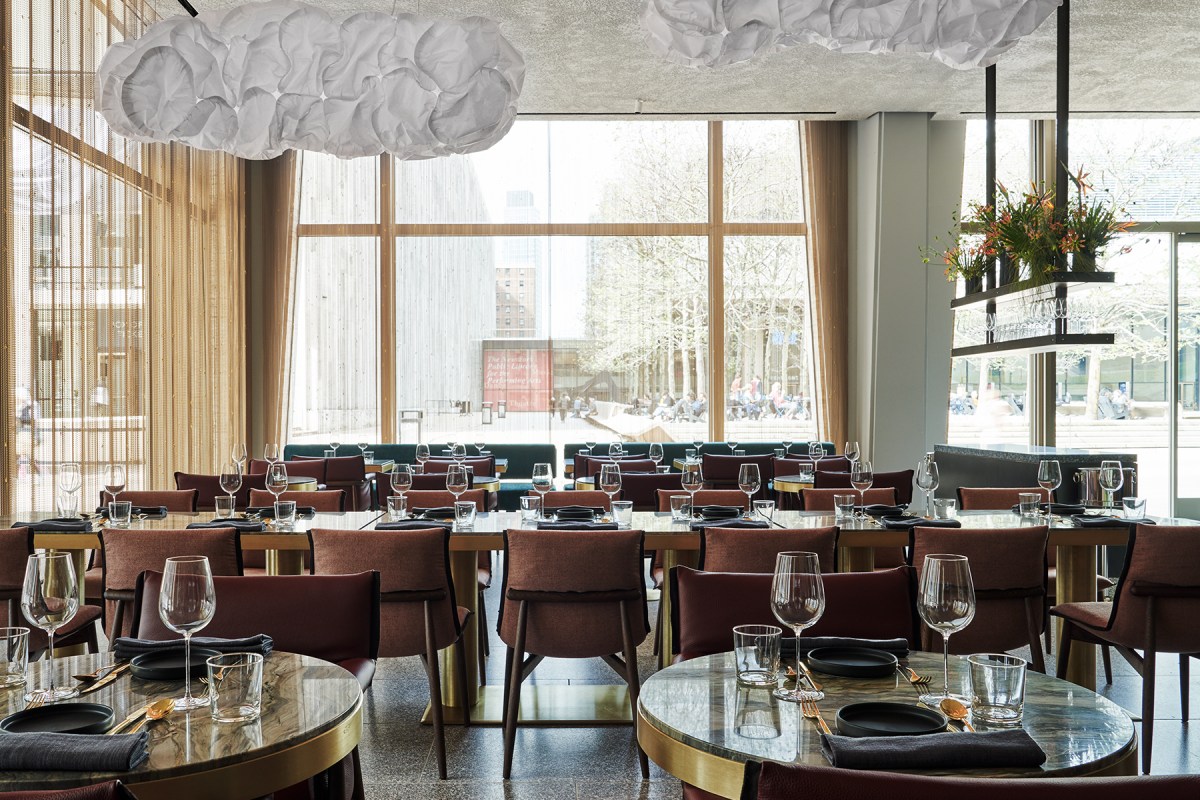
Kona Village runs five restaurants and bars, including the original resort's beloved Shipwreck Bar and Talk Story Bar, alongside a full-service Asaya Spa and fitness centre. The signature restaurant, Moana, serves Pacific Rim-leaning breakfasts and dinners built on land-and-sea ingredients from Hawaiʻi Island, while Kahuwai Cookhouse & Market draws on paniolo, or Hawaiian cowboy, cooking traditions with kiawe wood-fired preparation.
Produce for the kitchens comes in part from Kahiko Māla'ai, the resort's own on-site garden, continuing the self-sufficiency that defined the fishing village long before any restaurant stood on the site.
04The bar
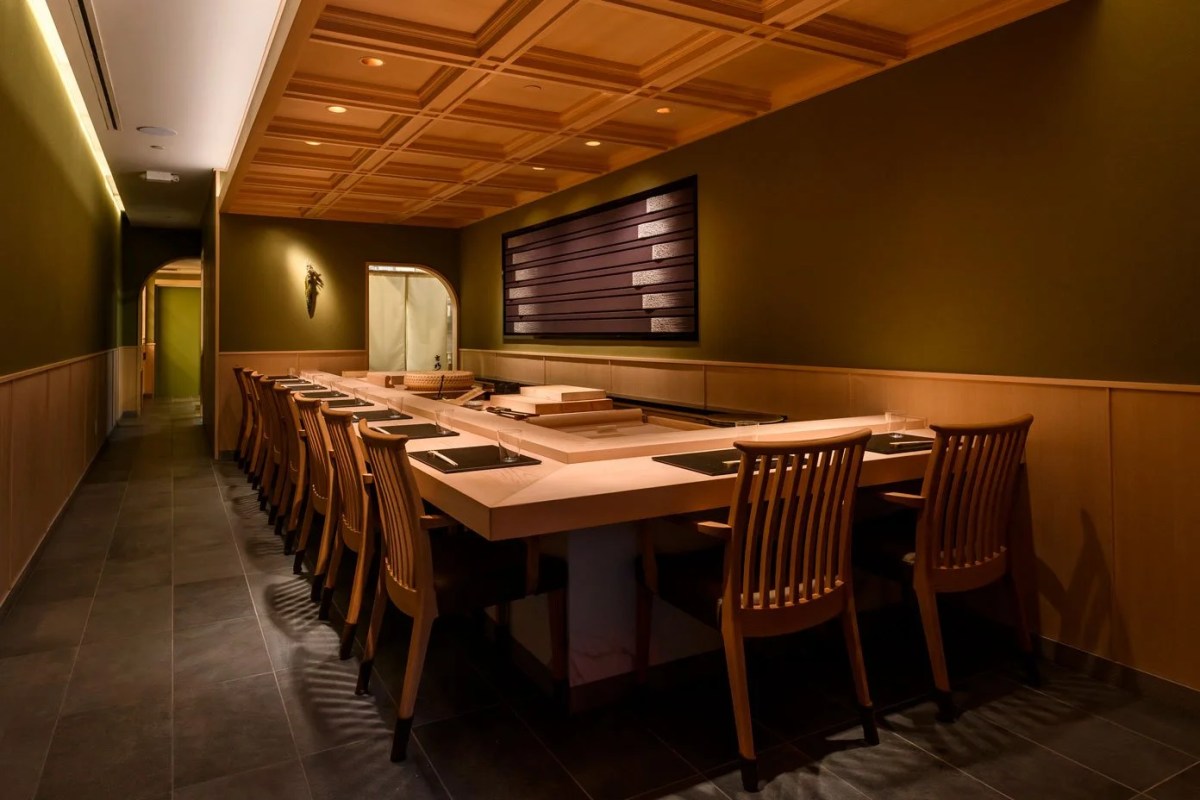
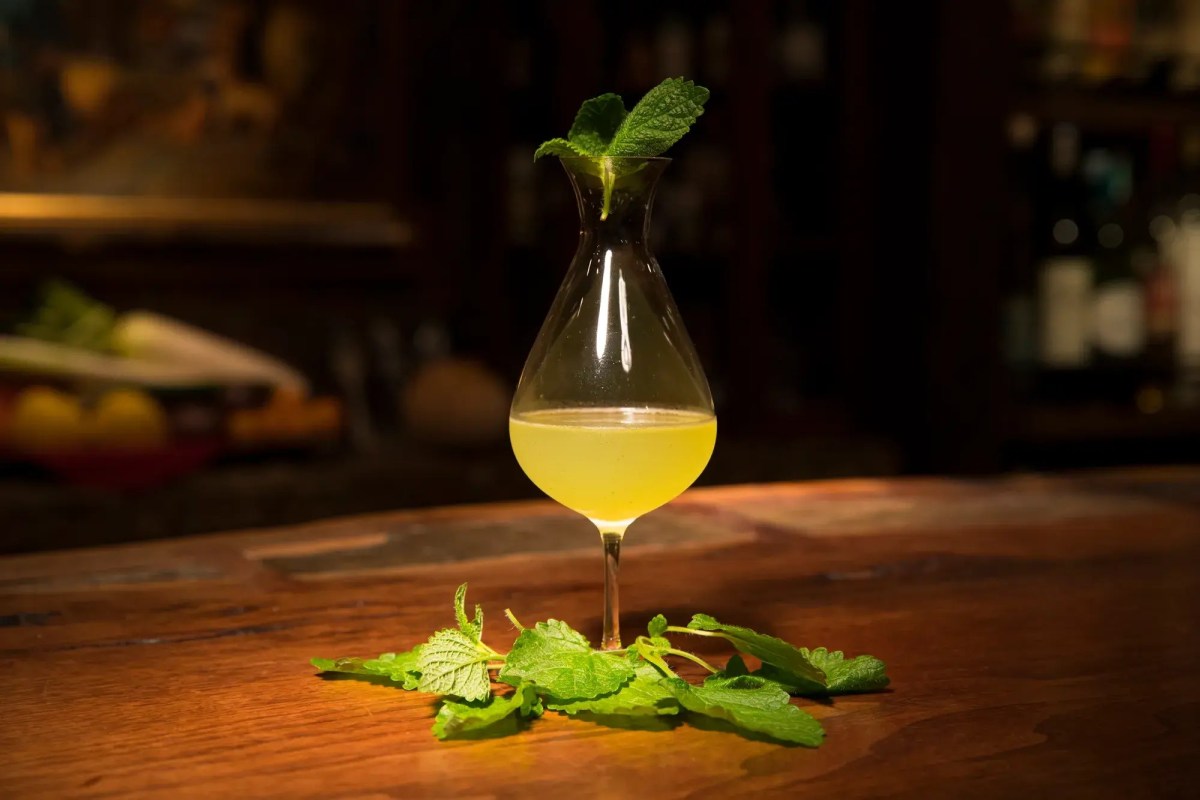
Shipwreck Bar, for instance, is built in part from timbers salvaged from the Jacksons' original schooner, making it one of the few structures on the property with a literal physical link to the resort's 1965 founding. Talk Story Bar, named for the Hawaiian pidgin phrase for catching up with friends, handles the sunset cocktail hour, while the separate Moana Cocktail Bar offers an evening setting with live music against the water.
05Spa and wellbeing
Today the resort offers guests four outdoor pools, a fitness centre, several restaurants, a spa and a wide range of ocean activities across its 81 acres. Asaya, Rosewood's integrative wellness concept, anchors the programme with open-air treatment spaces, a spa lounge with hot tub, cold plunge and steam and sauna rooms, and a fitness centre equipped with TechnoGym machines alongside tennis and pickleball courts. Of the four pools, the Shipwreck Adult Pool is arranged across three tiers, including an infinity hot tub and a 25-metre lap pool looking out over the shoreline.
06The neighbourhood
The location makes it possible to explore nearby highlights such as Kailua-Kona town, coffee farms, historical sites and Mauna Kea, while remaining remote enough to feel like stepping into a private retreat once inside the gates. The resort sits on the dry, sunny Kona-Kohala Coast, sheltered from the wetter trade-wind weather on the island's Hilo side, within reach of the black sand coves and tide pools of the wider Kaʻūpūlehu coastline.
07Making the most of a stay
The rebuild's defining feature may be its restraint: the conservation of the site's cultural and natural resources, including anchialine ponds, lava fields and archaeological sites, was woven into every stage of the redevelopment plan. Before any land planning or construction began, Kennedy Wilson formed a Cultural Leadership Committee of lineal descendants, kūpuna, archaeologists, teachers, navigators and sailors to guide decisions, a partnership that now runs the on-site Ka'uluola Cultural Center and its guided petroglyph and archaeological tours. Days are better spent on the water than by the desk: the resort's Kilo Kai programme, staffed by watermen and women trained by the original resort's legacy team, runs sunrise canoe paddles and snorkelling trips around Kahuwai Bay, and guests can cover the 81 acres on complimentary bicycles rather than by golf cart alone.
Don't miss
Don't miss
- 01
Shipwreck Bar & Sushi, built in part from timbers of founder Johnno Jackson's original schooner
- 02
A sunrise outrigger canoe paddle across Kahuwai Bay with the Kilo Kai ocean team
- 03
The Ka'uluola Cultural Center's petroglyph and archaeological tours
- 04
Asaya Spa's open-air treatments and the three-tier Shipwreck Adult Pool
- 05
No in-room televisions, a policy carried over from the original 1965 resort