In this story · 6 sections
On Viale Monza, a short walk from Piazzale Loreto, Le Nove Scodelle has spent since 2018 doing something unusual among Milan's Chinese restaurants: it refuses to soften Sichuan food for a local palate. The project belongs to Agie Zhou — Hujian Zhou, a Bocconi graduate already known in the city for Ravioleria Sarpi in Chinatown — who built the place with a chef, Wei, sent to study the cooking of China's south-western province at source. The name refers to nove scodelle, the nine ceremonial bowls once shared at important Chinese family banquets, a symbol of generosity rather than a menu gimmick: the restaurant still frames its food as portate generose, dishes born from the meeting of Italian ingredients with Chinese recipes and techniques. It holds the MICHELIN Guide's Selected distinction, recognition for a kitchen that treats regional Chinese cooking with the same seriousness as any other cuisine, numbing peppercorns, chilli oil and all.
Le Nove Scodelle
Restaurant · Loreto / Precotto, north-east Milan
© OpenStreetMap contributors · OpenFreeMap
- Address
- Viale Monza 4, 20127 Milano
- Cooking
- Chinese, Sichuan
- Chef
- Wei
- Run by
- Agie Zhou (Hujian Zhou)
- MICHELIN Guide
- Selected in the MICHELIN Guide
- Price
- A moderate spend
- Open
- Lunch and dinner, 7 days a week
- Nearest station
- Loreto (M1/M2)
- Telephone
- +39 331 800 1116
- Website
- lenovescodelle.com
Nine shared bowls of Sichuan family cooking from the team behind Ravioleria Sarpi, on Viale Monza.
01The room and the setting
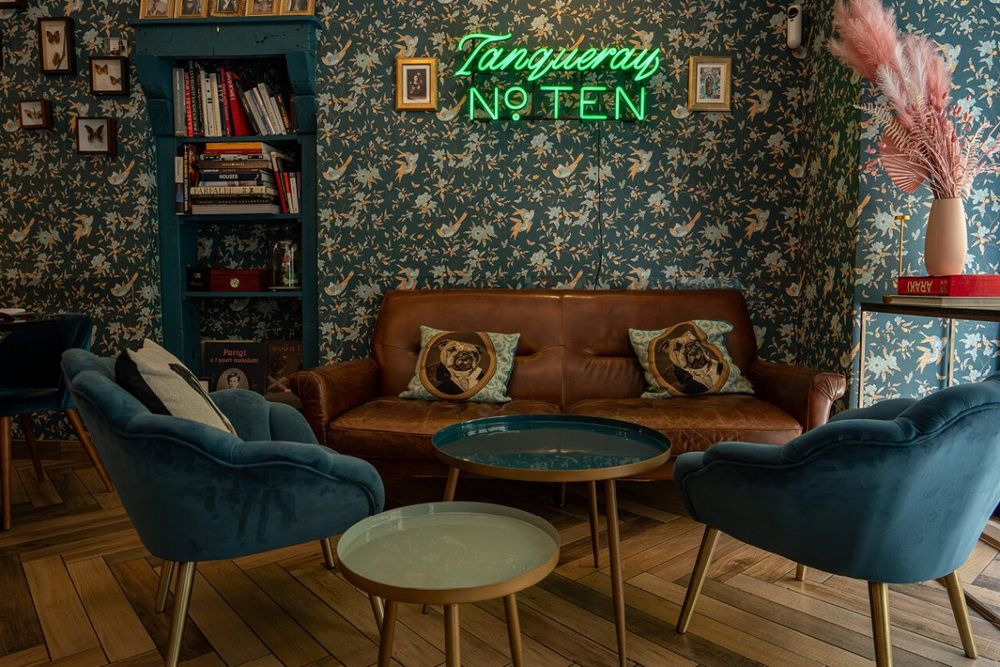
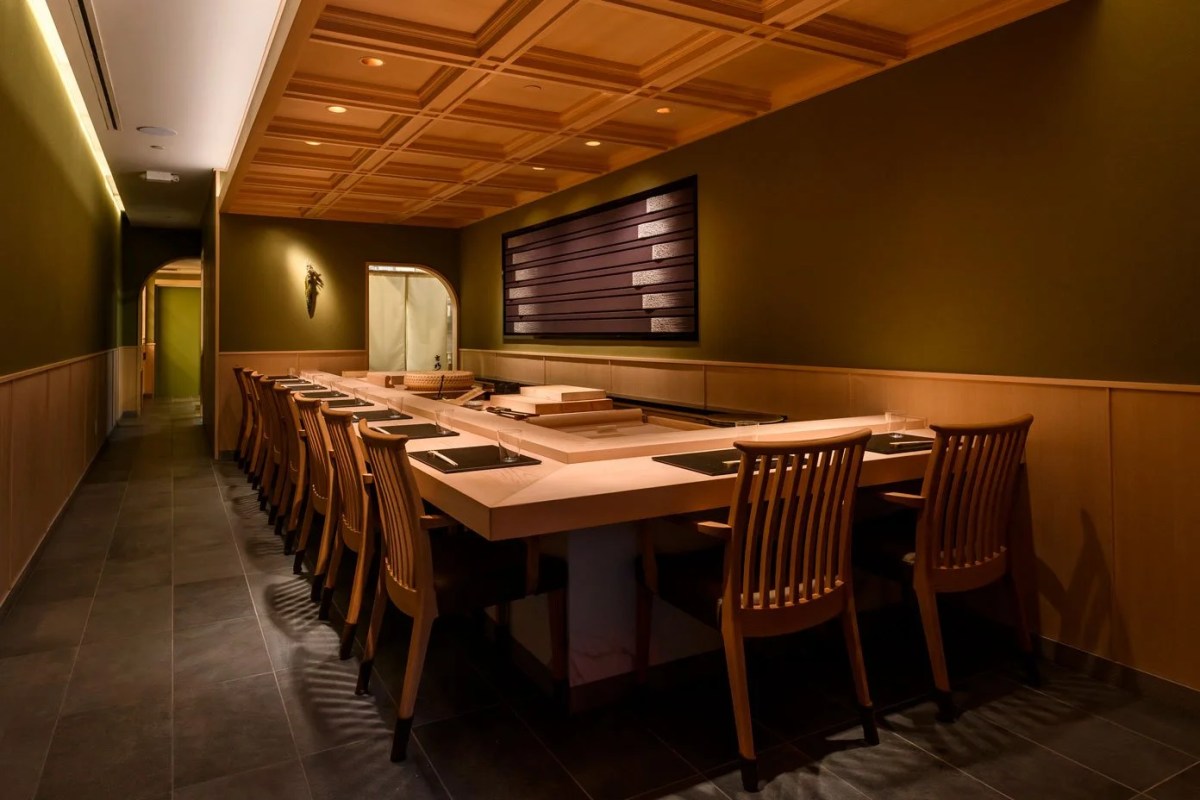
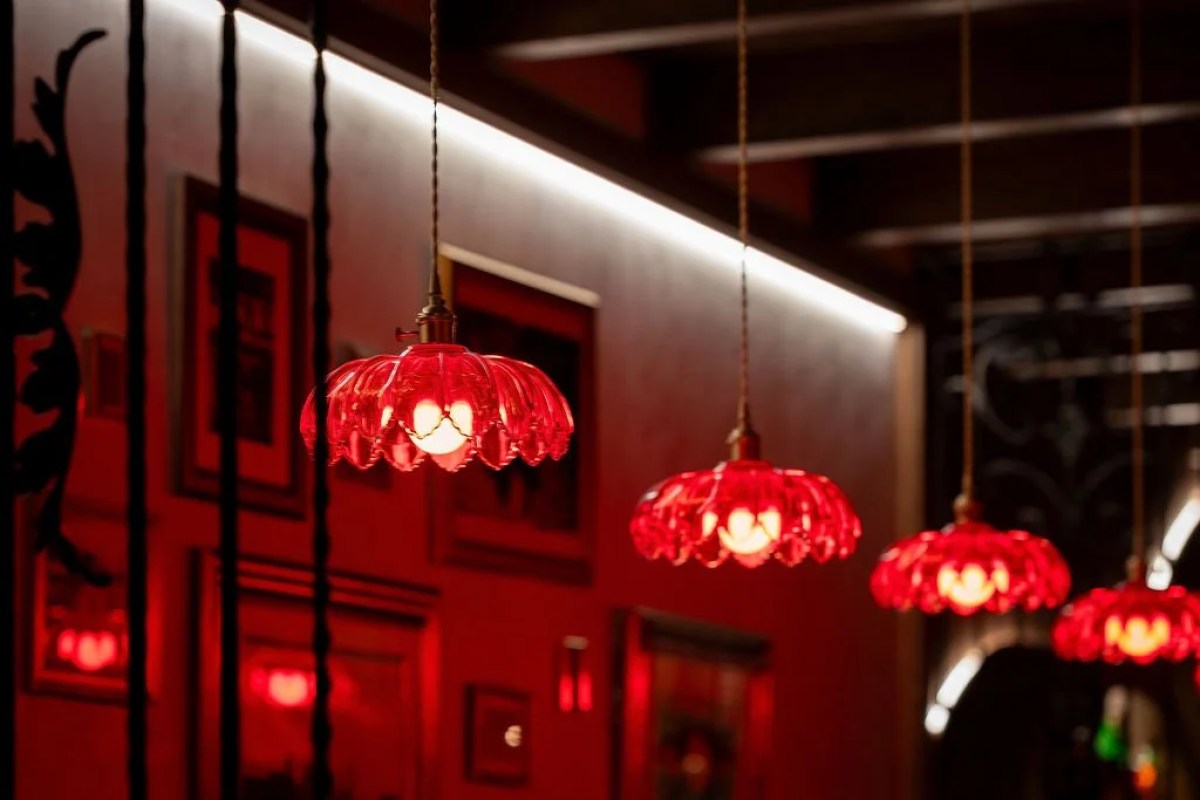
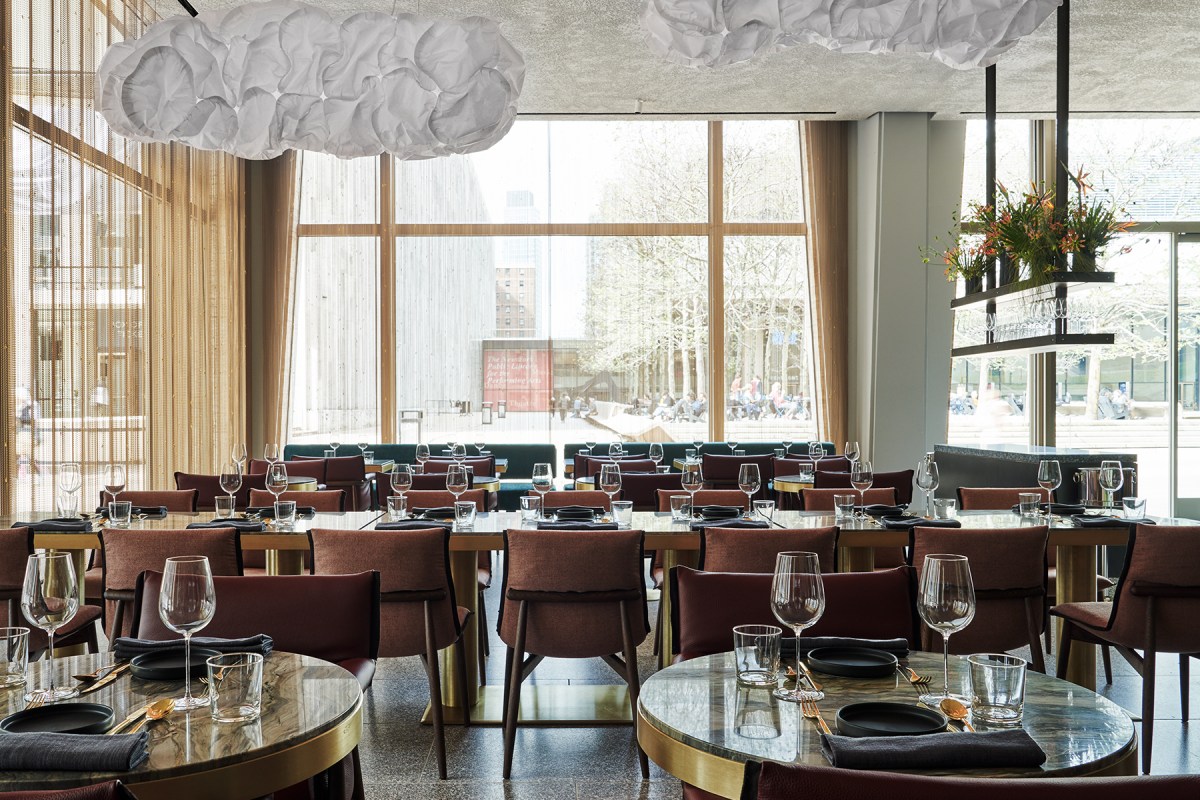
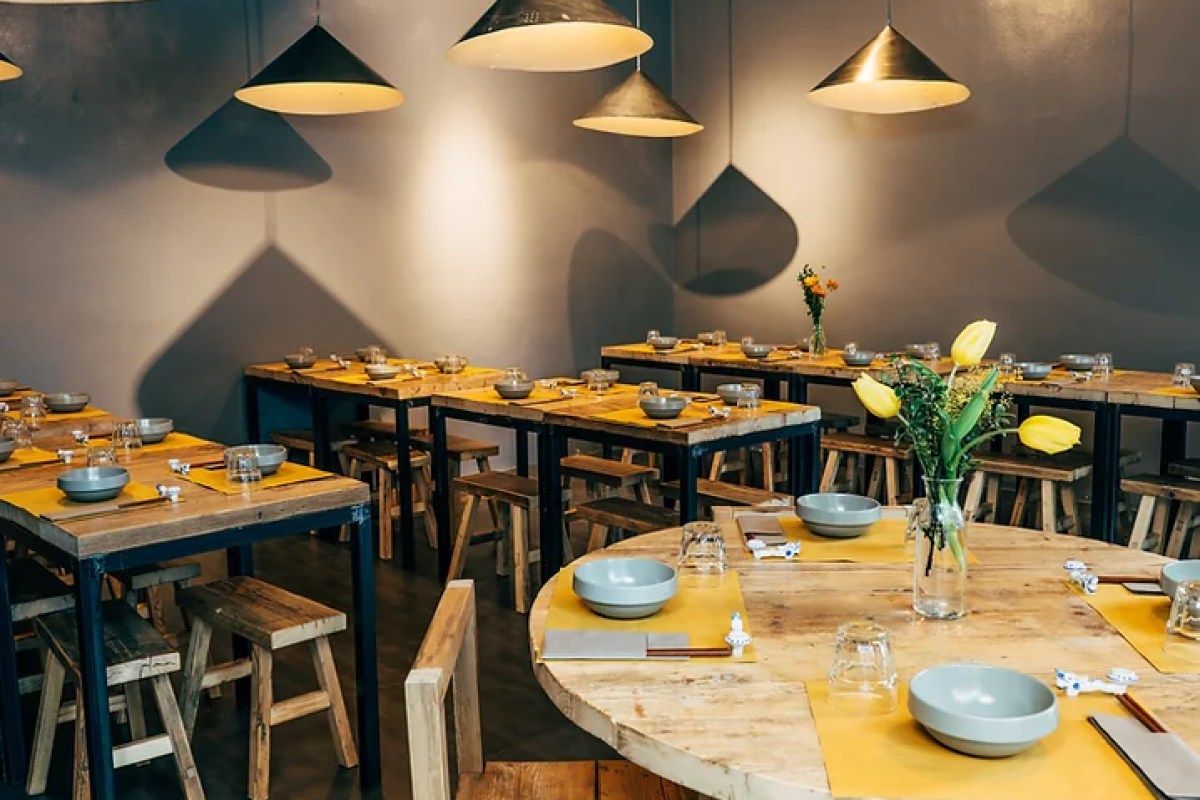
The dining room is deliberately unshowy: a single main space fitted with wooden tables and lamps shaped like Chinese hats, plus a small private room kept for larger groups. It is a look built for a trattoria rather than a showcase restaurant, in keeping with a kitchen that calls itself exactly that — a trattoria celebrating tradition through generous, shared plates.

02The chef
Agie Zhou did not open Le Nove Scodelle alone. Le Nove Scodelle was created by Hujian Zhou, known as Agie, the Bocconi graduate who founded Ravioleria Sarpi, together with chef Wei, who decided to set up the restaurant with him. The idea was to build a family-style trattoria of the Chinese interior rather than the repetitive cooking found in many Chinese restaurants in Italy, so chef and partner Wei travelled to Sichuan, in south-west China, and spent months studying the region's cuisine. Rather than rushing the opening, Zhou sent two of his cooks to China for six months to master the new repertoire before service began.
Insider tipOpen daily for lunch and dinner; small room, booking advised; variable closures in August and January.
03The cooking
The kitchen's signature ingredient is pepe di Sichuan — Sichuan pepper — prized for the pungent, almost refreshing numbness it leaves on the tongue, lifted by a faint citrus note; it runs through nearly every dish on the menu. Ingredients come from named Italian suppliers: Walter Sirtori's butchery and the biodynamic farm Cascine Orsine, a choice that lets a kitchen rooted in Sichuan's chilli-and-ginger pantry build its sauces, broths and marinades from Italian meat and produce, using traditional techniques such as fermentation and marinating. The handmade dumplings use a quality meat filling supplied by the Sirtori butchery, a long-time partner of Zhou's that later joined his group.
04What to order
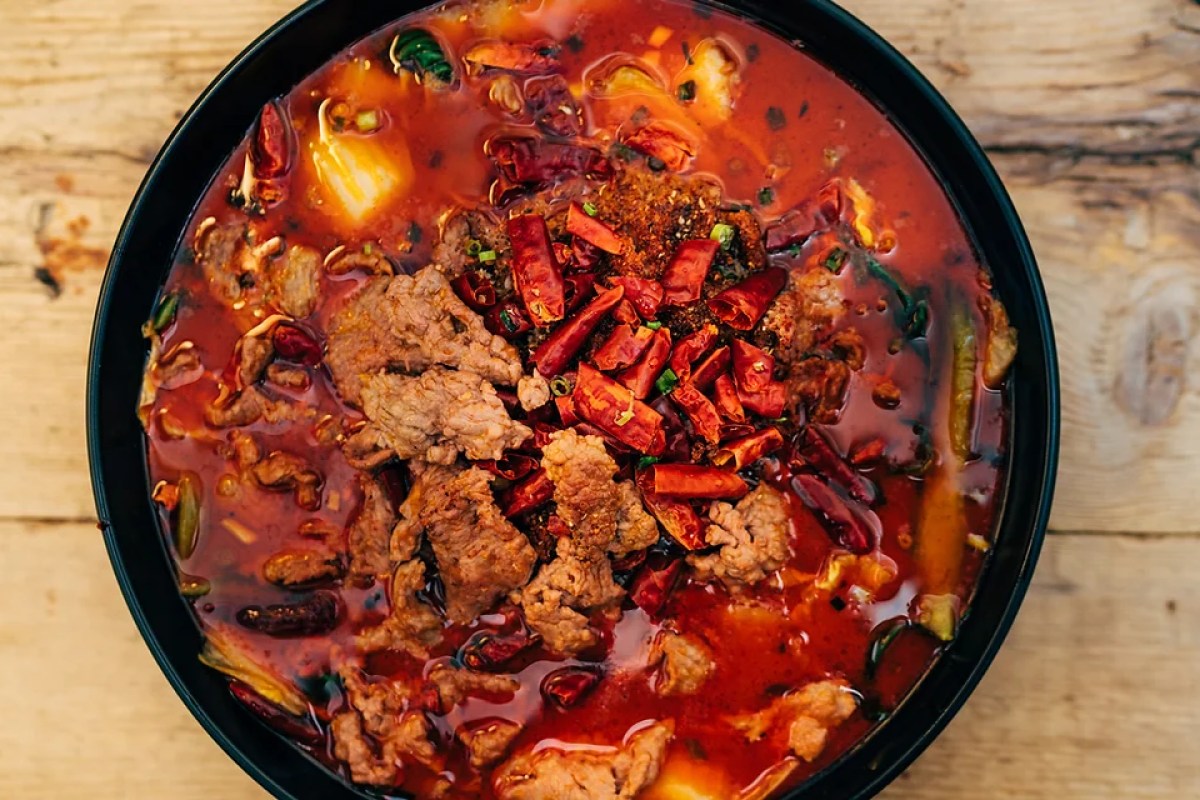
Two dishes are singled out as essential: pollo kongbao, gongbao chicken with cashews and spring onion, and the handmade pork dumplings — giant ravioli served in a sweet-and-sour sauce, sold in portions of five or eight. The agrodolce sauce is what finishes the dish. Beyond the dumplings, the kitchen's repertoire runs to a fiery beef soup, hand-pulled noodles dressed with peanut, sesame and Sichuan pepper, and rabbit with leeks — all built around the restaurant's declared ambition of nine bowls shared at the table rather than individual plates eaten alone.
Don't miss
Don't miss
- 01
Pollo kongbao with cashews and spring onion
- 02
Handmade pork dumplings in sweet-and-sour sauce
- 03
Hand-pulled noodles with peanut, sesame and Sichuan pepper
- 04
Spicy beef soup
- 05
Rabbit with leeks
05The neighbourhood
Le Nove Scodelle sits at the start of Viale Monza, the long artery that runs north-east out of central Milan from Piazzale Loreto, a crossroads better known for its traffic and its metro interchange than for fine dining — which is part of what makes a kitchen this committed to a single Chinese region notable here. Since opening in 2018 it has drawn its crowd overwhelmingly from Milanese diners rather than the city's Chinese community, turning a workaday stretch of viale into a reason, on its own, to get off at Loreto.
06When to go and booking
The restaurant serves lunch and dinner seven days a week with no weekly closing day, though it takes variable holidays in August and January. The room is compact — one main space plus the small private room for groups — so booking ahead is sensible, particularly around the dinner rush when the tables near Piazzale Loreto fill quickly.