In this story · 7 sections
On Via Andegari, a quiet lane running parallel to fashionable Via Manzoni, Mandarin Oriental Milan occupies four connected buildings dating from the 18th century, once owned by the banking dynasties that made the city rich. Steps from Teatro alla Scala and a short walk from the Duomo and the boutiques of the Quadrilatero della Moda, the hotel opened on 30 July 2015, timed to coincide with Expo Milano 2015, bringing the Hong Kong-born group's Eastern hospitality to Italy's design capital for the first time. Milanese architect Antonio Citterio, working with Patricia Viel, respected the old bones of the palazzi while layering in contemporary, Asian-inflected interiors across 104 rooms and suites arranged around two courtyards. The MICHELIN Guide awards the house Two Keys, calling it a hotel that is eminently worthy of both its location and its name. At its centre sits Seta, chef Antonio Guida's two-MICHELIN-starred dining room, one of the most discussed tables in a city that takes its cooking as seriously as its tailoring.
Mandarin Oriental Milan
Hotel · Brera / Quadrilatero della Moda
© OpenStreetMap contributors · OpenFreeMap
- Address
- Via Andegari, 9, 20121 Milano
- Opened
- 30 July 2015
- Building
- Four connected 18th-century palazzi
- Interiors
- Antonio Citterio Patricia Viel (ACPV)
- Rooms
- 104
- Restaurants
- Seta by Antonio Guida (Two MICHELIN Stars), Mandarin Garden
- Bar
- Mandarin Bar & Bistrot
- Spa
- The Spa at Mandarin Oriental, Milan (900 sqm)
- Pool
- Indoor heated pool
- Setting
- Brera / Quadrilatero della Moda, by La Scala
- Telephone
- +39 02 8731 8888
- Website
- mandarinoriental.com
- MICHELIN Guide
- Two MICHELIN Keys
Two MICHELIN Keys, a two-starred restaurant and 104 rooms set around two courtyards off Via Andegari.
01The house
The hotel is housed within four elegantly redeveloped 18th century buildings, with a distinctly residential feel, a layout that explains why no two rooms share quite the same shape. Reaching this point took patience: it took no less than 8 years to complete the hotel construction within four 18th century buildings, a restoration that preserved stone staircases and courtyard façades while threading in contemporary services behind the scenes.
The interiors came from Antonio Citterio Patricia Viel, the Milanese practice responsible for a wide swathe of the country's contemporary luxury design. Rather than impose an imported idea of the Orient, the design draws on 1940s Milanese interior references, recreating the feel of a grand private residence rather than a conventional hotel lobby — a quieter, more domestic register than many five-star arrivals in the city attempt.
02Rooms and suites
The hotel's 104 guestrooms, of which 32 are suites, were conceived with Citterio's own furniture and a restrained, neutral palette that lets the building's irregular 18th-century geometry do the talking. Marble bathrooms, walnut joinery and parquet floors run through the accommodation, with rooms looking either onto the two internal courtyards or out over the street, and a select few suites commanding rare views toward the Duomo.
Insider tipSteps from Teatro alla Scala, the Duomo and Via Montenapoleone, in the heart of Milan's fashion quarter.
Suites extend into private living areas and, in some cases, outdoor terraces — an uncommon luxury in a city not known for open skies above its historic centre. The brand's in-room technology and personalised butler-style service are consistent across categories, but it is the individuality of each layout, a legacy of the original palazzi, that guests tend to remember.
03Where to eat
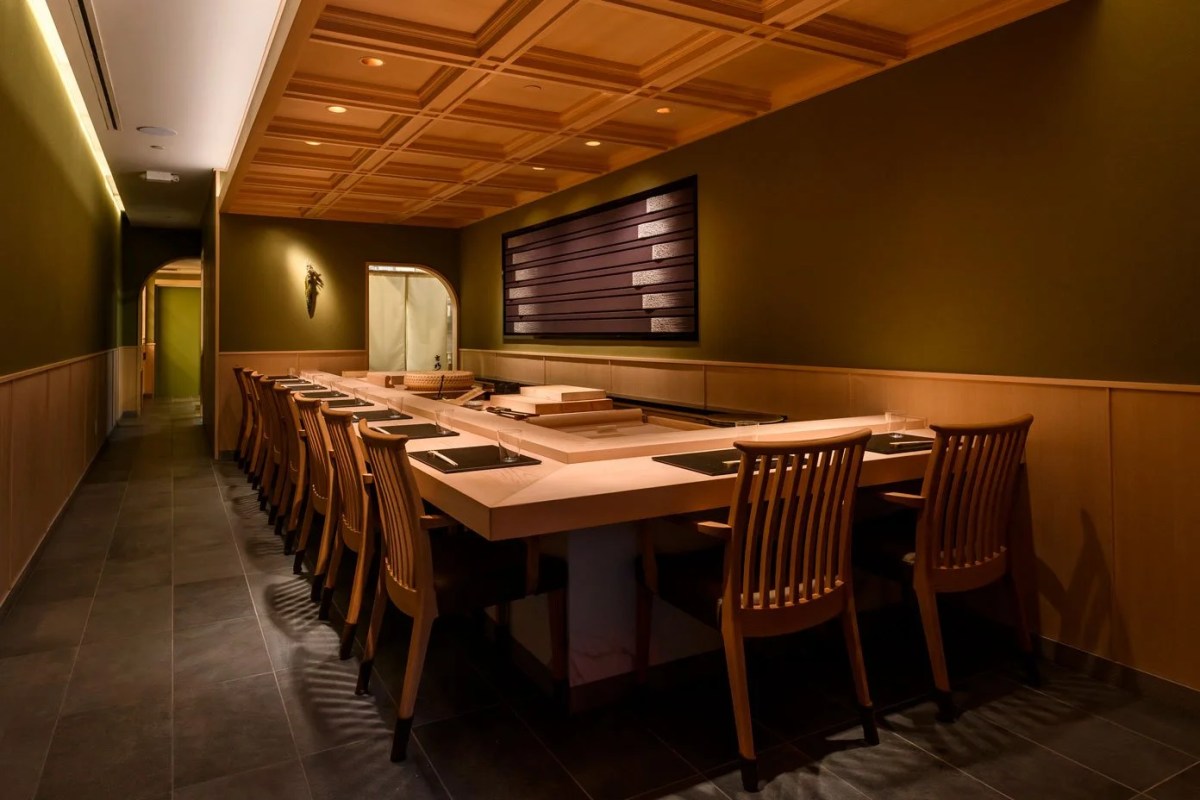
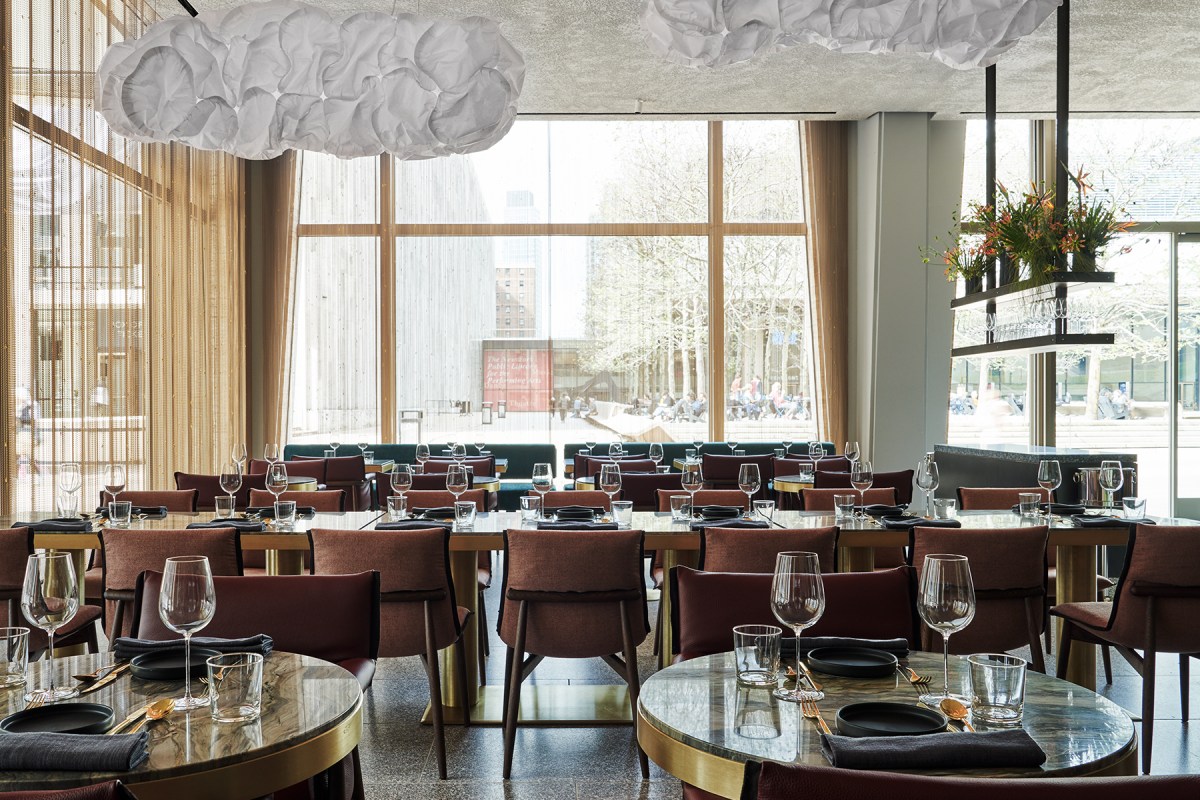
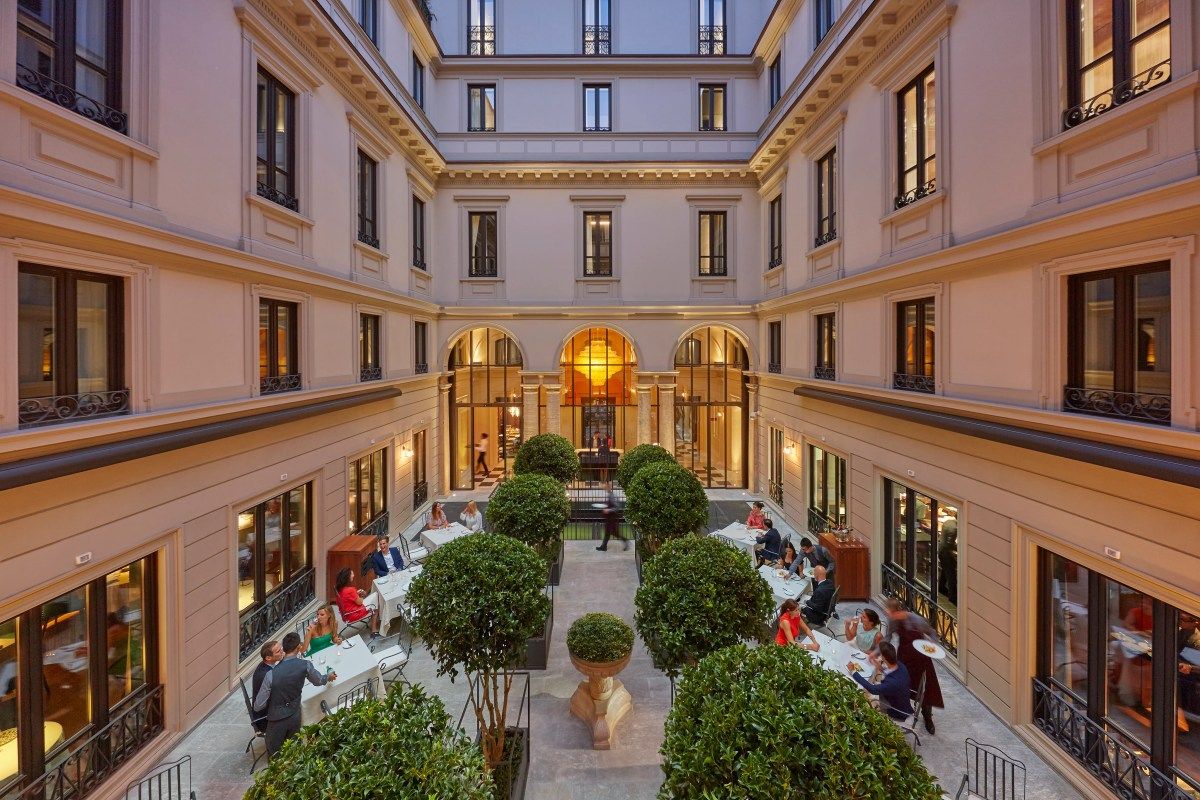
Seta is the hotel's showpiece: a two-Michelin-starred restaurant in Milan by acclaimed Chef Antonio Guida, set within the second of the hotel's two courtyards. Striking glass windows merge the inner and outer spaces, offering guests the opportunity to dine outside during the warmer seasons, while inside a visible kitchen showcases the team at work, creating culinary theatre. Guida arrived in Milan after twelve years running the kitchen at the two-starred Il Pellicano in Tuscany, having trained earlier at Don Alfonso 1890 and Enoteca Pinchiorri; Seta took its first MICHELIN star in 2016 and its second the following year. For more than 20 years he has worked alongside Federico Dell'Omarino, his executive sous-chef, with pastry chef Marco Pinna completing the senior team.
Once a month, Guida opens his own front door for A Casa di Antonio, family-style lunches for up to twelve guests at his private home, with proceeds going to I Fiori Rari, the philanthropic fund for rare disease research he established. Seta serves lunch and dinner Tuesday to Saturday, and operates a smart dress code: men are requested to wear full-length trousers and closed-toe shoes.
For a lighter register, Mandarin Garden occupies the hotel's other courtyard, pairing an all-day Italian menu — sandwiches, salads and shareable plates shaped by Guida's team — with an evening cocktail list.
04The bar
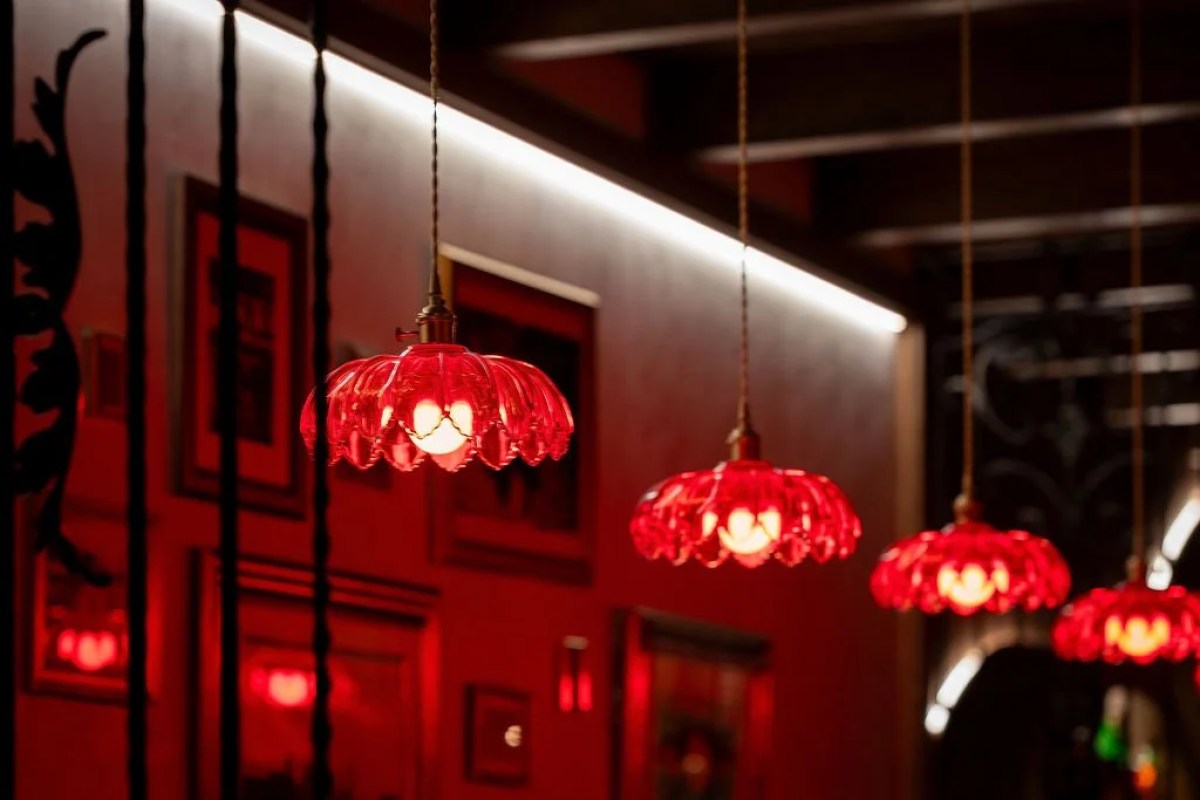
Open from 8am to late, Mandarin Bar & Bistrot is the hotel's beating heart where the atmosphere evolves gradually from a tranquil urban retreat by day to a vibrant nightspot after dark. Indoors, black-and-white geometric mosaic walls play off smoked mirrors and glassware for theatrical lighting effects, while outside, lounge sofas and soft lighting spill into the courtyard. Evenings are marked by two distinct moods, aperitivo and after-dinner, with a cocktail list built on Mediterranean and Oriental flavours; the house's standing order is a Smoked Negroni, finished with tonka bean and star anise smoke at the table.
05Spa and wellbeing
The Spa at Mandarin Oriental, Milan is a 900-square-metre wellness centre offering a holistic experience that blends Western and Eastern therapies, designed around the five Chinese feng shui elements of wood, fire, earth, metal and water, with variegated granite and wood floors chosen to match. The spa features six treatment rooms, including two couples' suites and a dedicated Thai massage room, alongside a beauty studio and a hair salon led by celebrity stylist Massimo Serini.
A heated indoor pool finished in turquoise tile sits alongside a sauna, steam room and 24-hour fitness centre equipped with Technogym machines; guests who prefer to train outdoors can use a morning jogging station set up at the hotel entrance with water and towels. For private wellness days, the Spa Suite adds a steam room, hot tub and a curated selection of fresh fruit and healthy snacks away from the rest of the hotel.
06The neighbourhood
Via Andegari sits at the edge of Brera and the Quadrilatero della Moda, close enough to Teatro alla Scala to hear rehearsals drift across the street, and an easy walk from the Duomo, the Galleria Vittorio Emanuele and the boutiques of Via Montenapoleone and Via della Spiga. Art lovers can cross into the Pinacoteca di Brera for Raphael and Caravaggio, or head to the Pinacoteca Ambrosiana for Leonardo da Vinci's manuscripts, with the fortified Sforza Castle a short walk further north.
07Making the most of a stay
Book Seta's Chef's Table well ahead for a front-row seat on the open kitchen, and keep the restaurant's smart dress code in mind — full-length trousers and closed shoes for men are requested at the door. If the calendar allows, ask about A Casa di Antonio, Guida's monthly charity lunch at his own home, limited to twelve guests and run in aid of rare-disease research. In the warmer months, request a courtyard-facing table at either Seta or Mandarin Garden, when glass walls open and the two inner courtyards become the real heart of the hotel.
Don't miss
Don't miss
- 01
Dinner at Seta, Antonio Guida's two-MICHELIN-starred dining room in the second courtyard
- 02
A Smoked Negroni, finished tableside with tonka bean and star anise, at Mandarin Bar & Bistrot
- 03
A Casa di Antonio — Guida's monthly charity lunch at his own home
- 04
A private session in the Spa Suite, with its own steam room and hot tub
- 05
Courtyard aperitivo at Mandarin Garden on a warm Milanese evening