In this story · 7 sections
Mezzolitro Vini e Cucina occupies a quiet address on Via Pomè, inside the pedestrian lanes of Rho's old town, a short ride from Milan's Fiera and the Expo-era MIND district. It is a restaurant with a single, declared loyalty: Abruzzo, the region whose grandmothers' recipes, slow-cooked sauces and sheep's-meat skewers the owners Fabrizio and Simona have carried north and kept largely unchanged. The sourcing is deliberately narrow and deliberately artisanal – Farindola pecorino, Castel del Monte canestrato, sheep's salame cured in beeswax, handmade pasta from a small workshop in Elice, Marsican lamb and arrosticini that are, without exception, cut from sheep rather than lamb. For this it holds one MICHELIN Bib Gourmand, the Guide's mark for cooking whose quality clearly outruns its bill. The room is small, warm and unhurried, built for the kind of dinner that feels less like dining out than being invited into somebody's Abruzzese kitchen.
Mezzolitro Vini e Cucina
Restaurant · Centro storico, Rho
© OpenStreetMap contributors · OpenFreeMap
- Address
- Via Pomè 10, 20017 Rho (MI)
- Cooking
- Cuisine from Abruzzo, Traditional Cuisine
- Run by
- Fabrizio and Simona
- MICHELIN Guide
- Bib Gourmand
- Price
- A moderate spend
- Open
- Tue–Sat lunch 12:15–14:00; Mon–Sat dinner 19:00–23:00
- Covers
- 54
- Setting
- Historic centre of Rho, near Piazza San Vittore
- Telephone
- +39 02 9132 7868
- Website
- mezzolitro.net
A Bib Gourmand table on Via Pomè serving sheep's-meat arrosticini, handmade pasta and a wine list devoted entirely to Abruzzo.
01The room and the setting
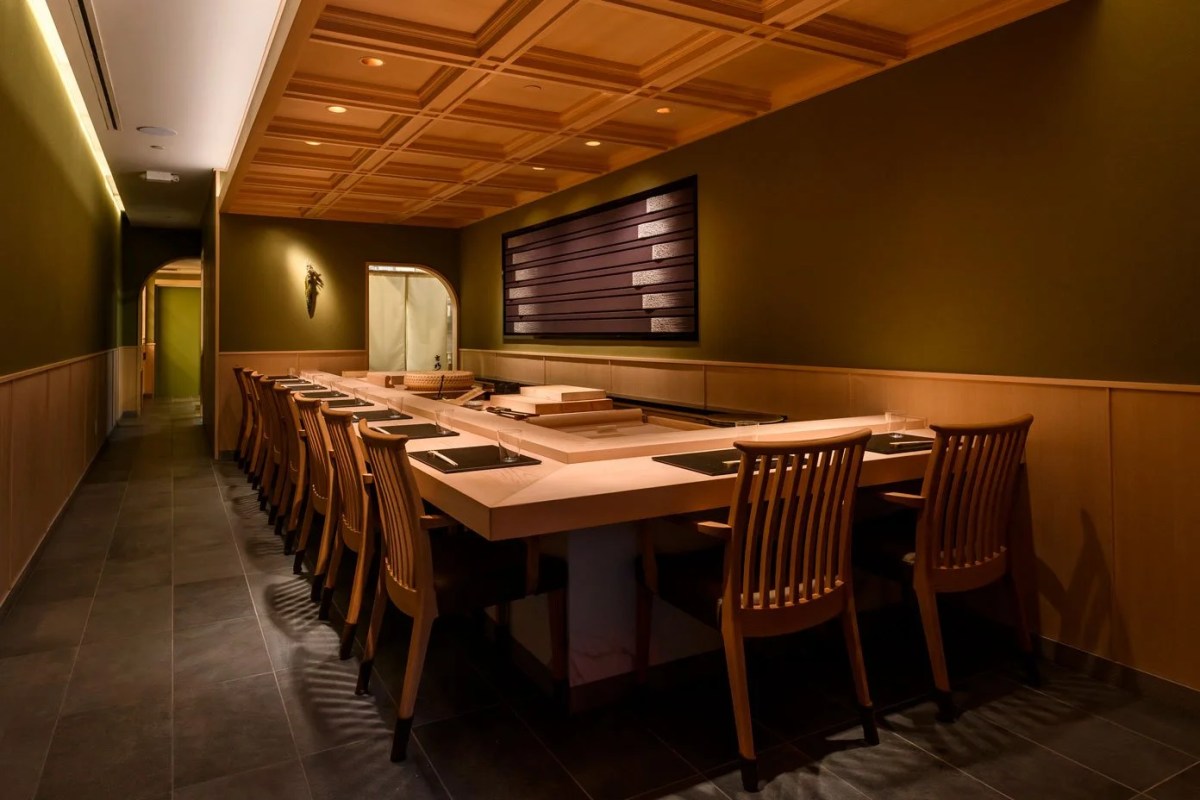
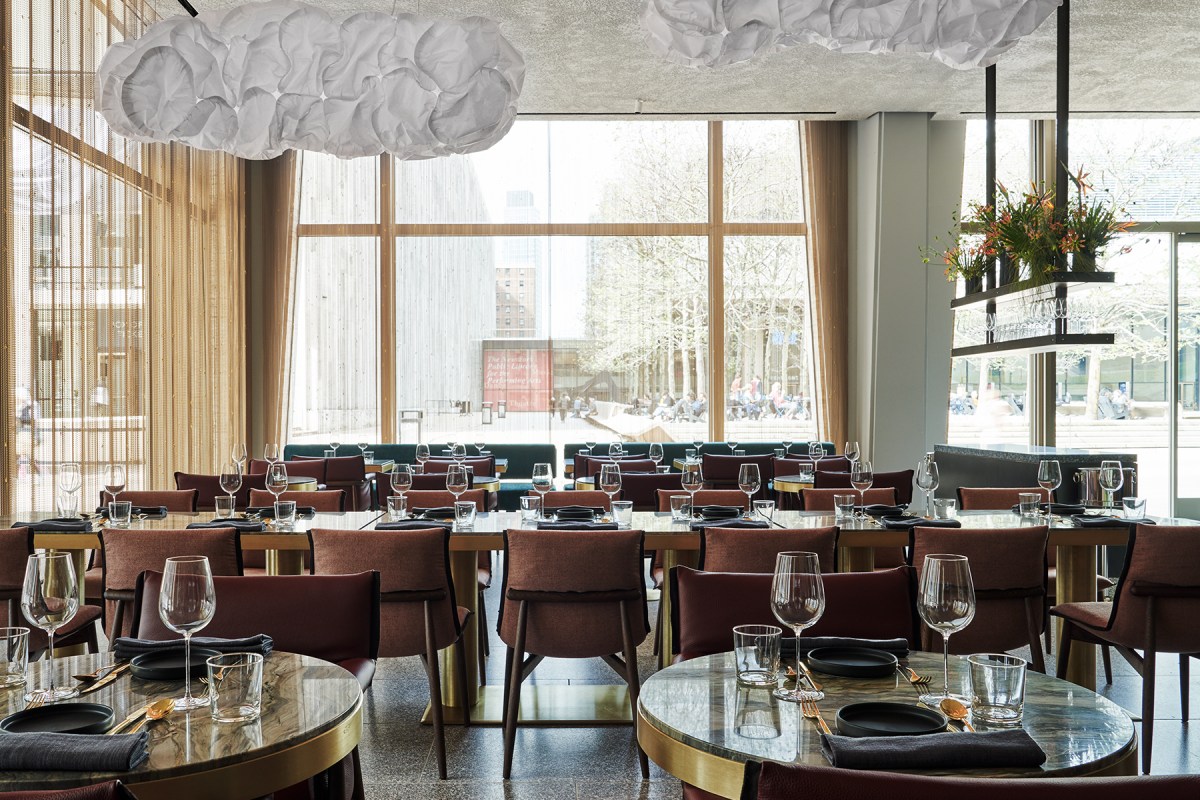
The address sits a few steps from Piazza San Vittore, in the part of Rho where medieval building fronts, wooden doors and wrought-iron shop signs still line the narrow Vicolo Pomè, a lane that once ran along the town's old defensive walls. The restaurant itself is modest in scale, with fifty-four covers spread across close, intimate rooms rather than one large hall, and it is wheelchair accessible and air-conditioned, which matters in a town whose summer heat sits heavily on the plain west of Milan.
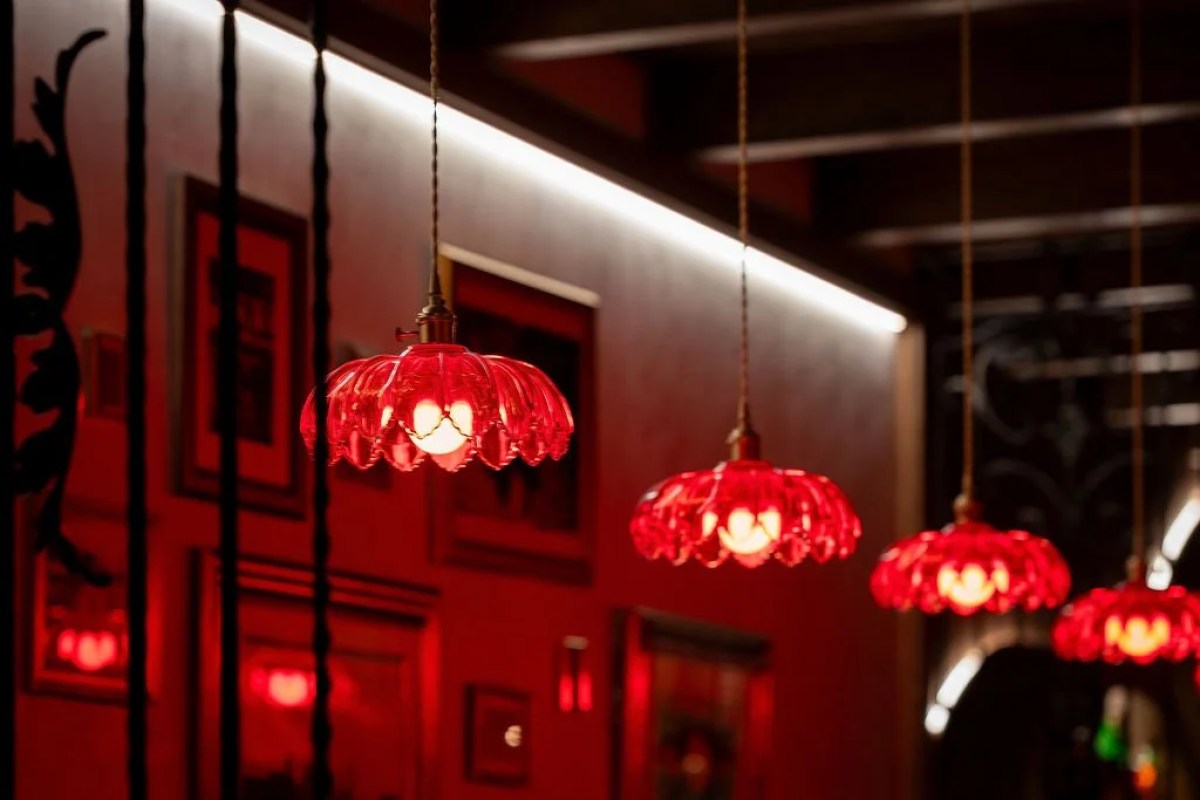
The feel is domestic rather than designed: tables close enough for conversation, a kitchen visibly running on one region's logic rather than a chef's invention, and a welcome that regulars describe as being received like family from the first greeting at the door.
02The chef
Mezzolitro was founded by Fabrizio and Simona, who built the restaurant around a cozy atmosphere and dishes that pay homage to the flavours of Abruzzo. Their own account of the project is unambiguous: a piece of their home region, transplanted to one of the prettiest old centres near Milan, built on grandmothers' recipes and the smell of sauce simmering for hours rather than on technique for its own sake.
Insider tipClosed Sundays, Monday lunch and all of August; booking by phone recommended, especially at weekends.
There is no stage of invention here, no plating theatre – the authority comes from provenance: cheeses and cured meats sourced from small named producers in Abruzzo, and pasta bought directly from a workshop in Elice rather than made to a chef's formula.
03The cooking
The kitchen's raw materials are the real subject of the menu: Farindola pecorino and Castel del Monte canestrato among the cheeses, a sheep's salame aged in beeswax, lamb from the Marsica, and arrosticini that are, as the owners insist, always and only cut from sheep rather than the more common lamb. Simona and Fabrizio's continuous search for quality ingredients runs through pecorino di Farindola, canestrato di Castel del Monte, sheep's salame cured in beeswax, entirely handmade pasta and Marsican lamb and arrosticini, always accompanied by the half-litre of wine that gives the restaurant its name.
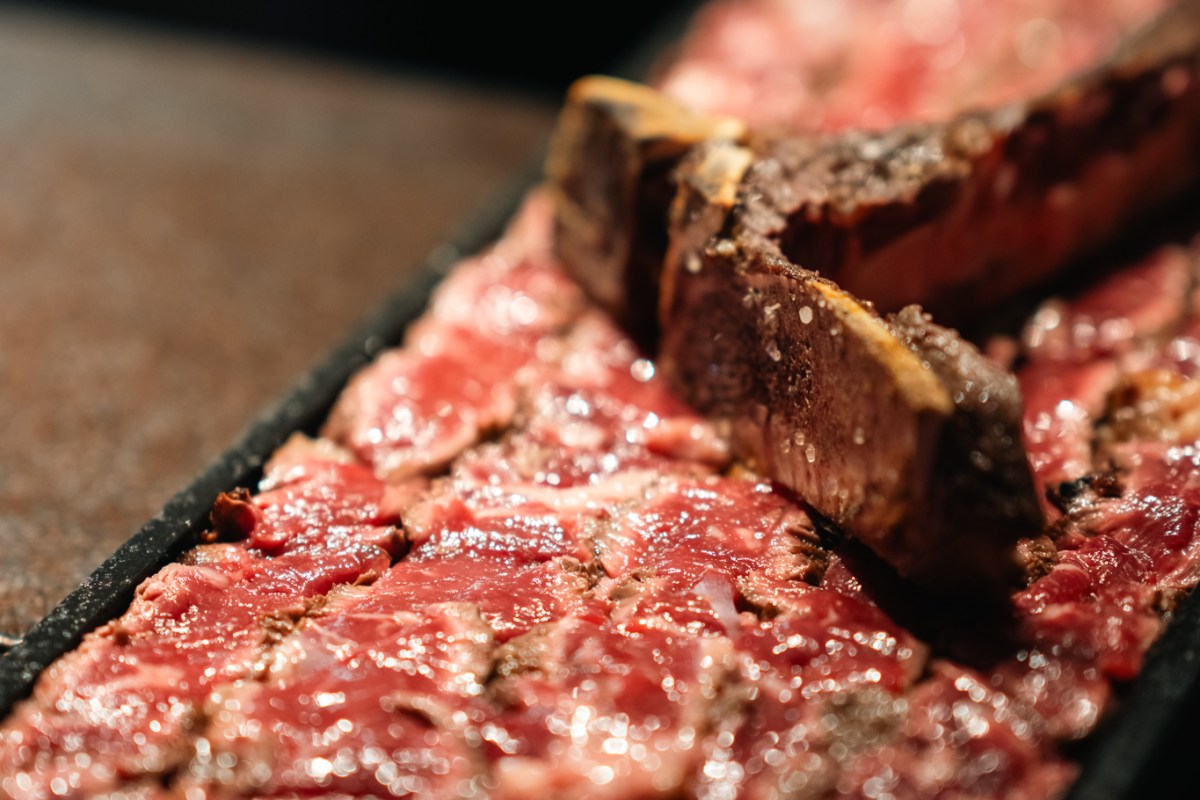
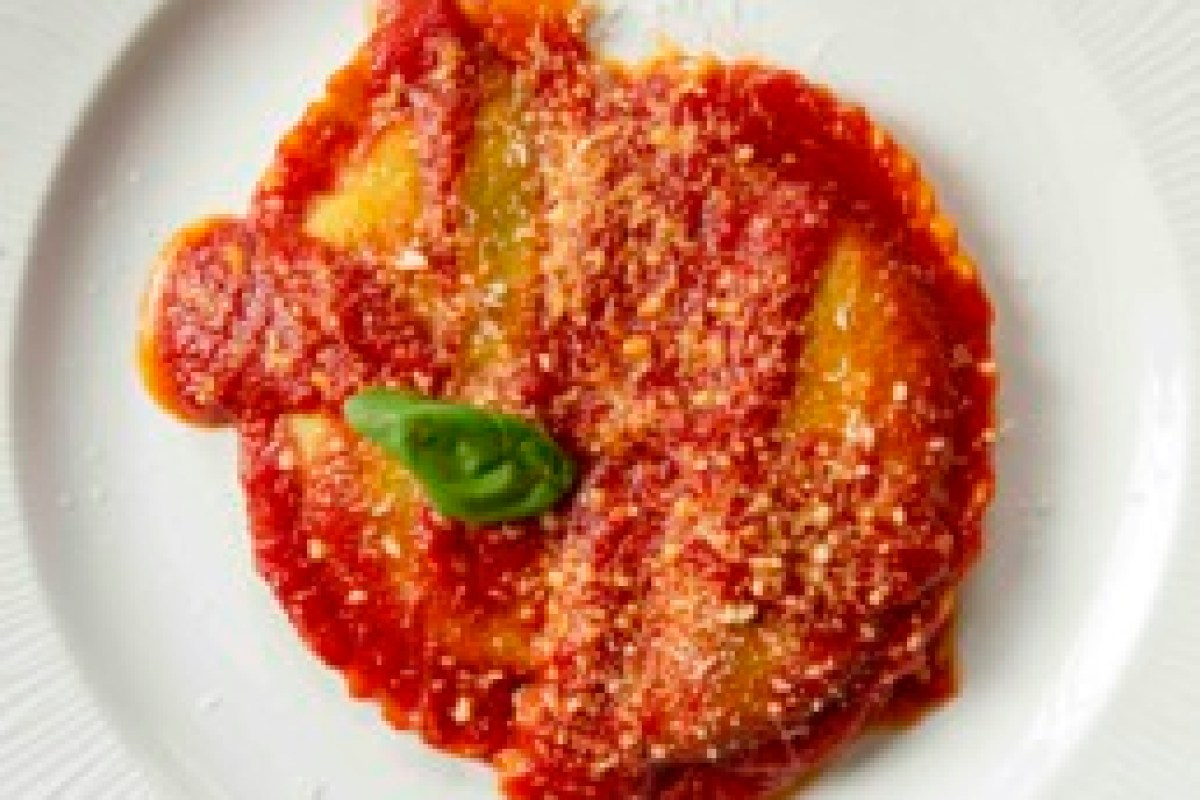
On the plate this translates into chitarra-cut pasta dressed in long-cooked ragù, pecorino-forward first courses, and sheep's meat treated several ways across a single evening – skewered and grilled, sliced as tartare, or served as a thick-cut tagliata.
04What to order
Start, as most tables do, with the arrosticini – the small grilled sheep skewers that give Abruzzo its best-known street food and that regulars return specifically to eat. Symbolic dishes such as chitarra alla teramana, pallotte cacio e ova and stracotto al Montepulciano tell a flavourful tradition reinterpreted with restraint.
Among the handmade pasta courses, fettuccine all'abruzzese and pezze al pesto abruzzese sit alongside gnocchi dressed in lamb ragù and a house dish called Il Pecoreccio, one of several plates featured on the menu alongside Pallotte Cacio E Ova A Modo Nostro and Fettuccine All'abruzzese. For those who want the fuller carnivore's route, diners single out the arrosticini of both sheep and liver, with the real high point reached in the sliced sheep's meat and the lamb cutlets. Finish, inevitably, with pecoramisù – a pecorino-inflected reworking of tiramisù that has become something of a house signature.
Don't miss
Don't miss
- 01
Arrosticini di pecora, grilled sheep skewers
- 02
Chitarra alla teramana, hand-cut pasta in long-cooked ragù
- 03
Pallotte cacio e ova, the classic Abruzzese cheese-and-egg dumplings
- 04
Gnocchi al ragù di agnello
- 05
Pecoramisù, the house pecorino-tiramisù
05Wine and drinks
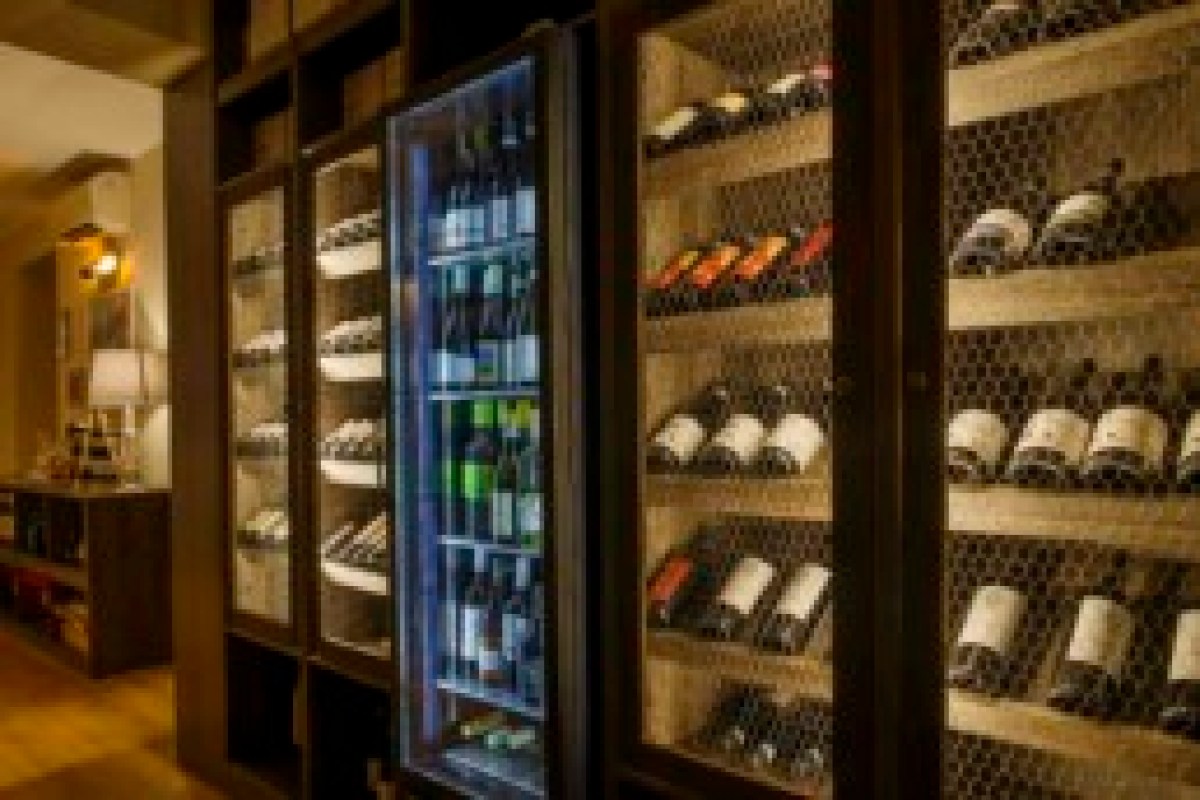
The cellar follows the same single-region discipline as the kitchen. The wine list exclusively showcases selections from the Abruzzo region, complementing the regional flavours on the plate. The cellar favours Abruzzese wines, chosen for coherent pairing with the menu – which in practice means Montepulciano d'Abruzzo for the lamb and sheep's meat, and crisper whites to cut through the cured pecorino and salame.
06When to go and booking
The restaurant keeps a traditional split service: lunch runs Tuesday to Saturday from 12:15 to 14:00, dinner Monday to Saturday from 19:00 to 23:00, and it closes on Sundays and on Monday lunchtimes, according to the restaurant's own site in 2026. The restaurant closes entirely through August. Given the small room, booking ahead by phone or email is the sensible route, particularly on weekend evenings when local regulars fill the tables early.
07The neighbourhood
Via Pomè opens off the northern corner of Piazza San Vittore, the street along which a cluster of buildings still describes Rho's medieval borgo and the atmosphere of its old lane. Vicolo Pomè itself is a narrow passage linking Via Matteotti to the heart of the centre, lined with terraced houses, wooden doorways, votive niches and wrought-iron signs that speak of a domestic, unhurried Rho. West of this quiet core, the town changes register entirely: beyond the domestic world of the old courtyards, the city meets the international scale of Fiera Milano Rho and the new MIND district, where Fuksas's glazed walkways and Vela cut a strikingly contemporary skyline. Rail access is straightforward: the area is served by Trenitalia and Trenord, with the Milan suburban S5 and S6 lines connecting Rho directly to central Milan and onward towards Varese and Novara.