In this story · 6 sections
Behind a heavy doorway on a curved stretch of Via San Nicolao, between Cadorna and Corso Magenta, a palazzo built in Liberty style in the 1500s hides Nobuya, a dining room shaped by chef Niimori Nobuya and restaurateur Andrea Lin over more than two years of work. It opened on 27 November 2023, and local critics were soon calling it the first Japanese gourmet restaurant in Milan actually opened by a Japanese chef. Niimori was born in Tokyo in 1973 and built his menu on a direct exchange between Japanese technique and Italian ingredients, moving away from the tidy, stylised version of Japanese cooking that had become the city's default. Within a couple of months, one respected Italian critic had already placed Nobuya among the five best Japanese restaurants in the country. It is Selected in the MICHELIN Guide, listed under Japanese Contemporary and Modern cuisine, a recognition that reflects both Niimori's technique and years spent in some of Italy's finer kitchens.
Nobuya
Restaurant · Cadorna / Corso Magenta, central Milan
© OpenStreetMap contributors · OpenFreeMap
- Address
- Via San Nicolao 3/a, 20123 Milano
- Cooking
- Japanese Contemporary, Modern Cuisine
- Chef
- Niimori Nobuya
- Run by
- Niimori Nobuya & Andrea Lin
- MICHELIN Guide
- Selected in the MICHELIN Guide
- Price
- Special occasion (€€€)
- Open
- Mon–Sat, dinner only, 19.00–23.00
- Setting
- Restored 1500s Liberty-style palazzo; two rooms of about 20 covers each
- Nearest station
- Milano Cadorna
- Telephone
- +39 331 808 8558
- Website
- nobuya.it
Chef Niimori Nobuya pairs Japanese technique with Italian produce in a two-room dining house off Via San Nicolao.
01The room and the setting
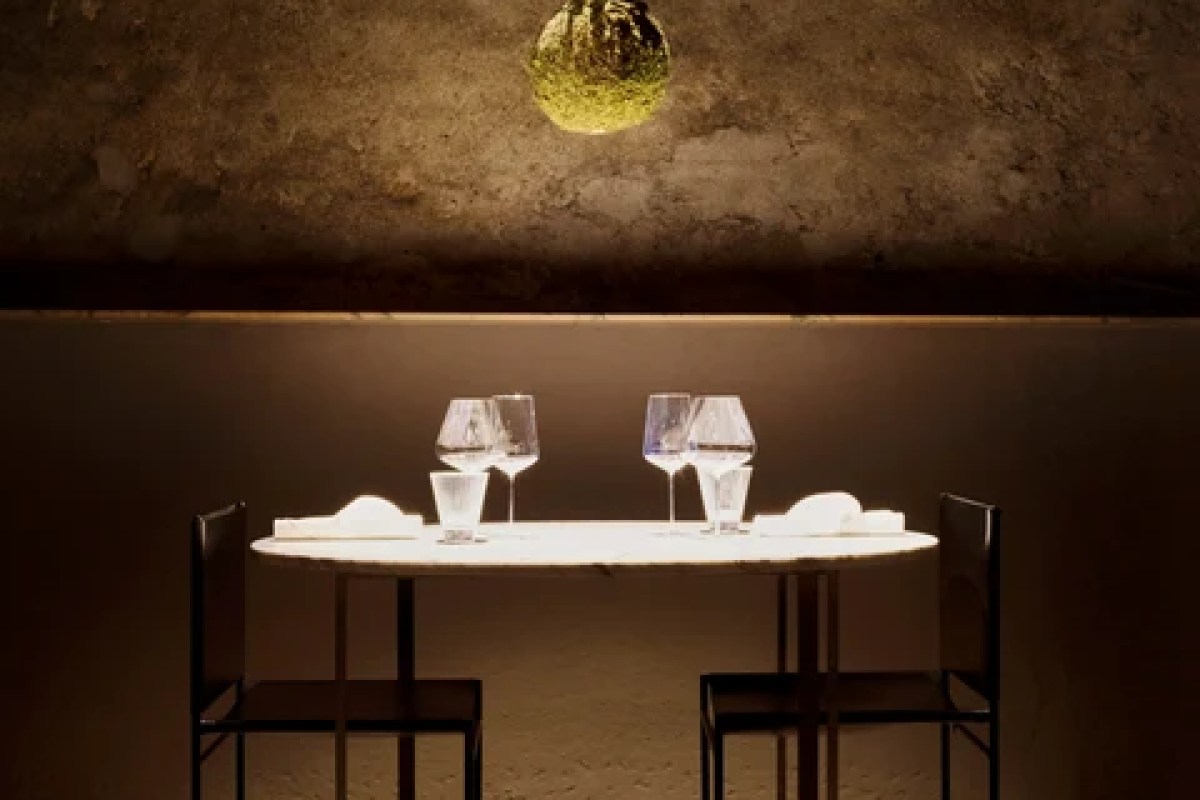
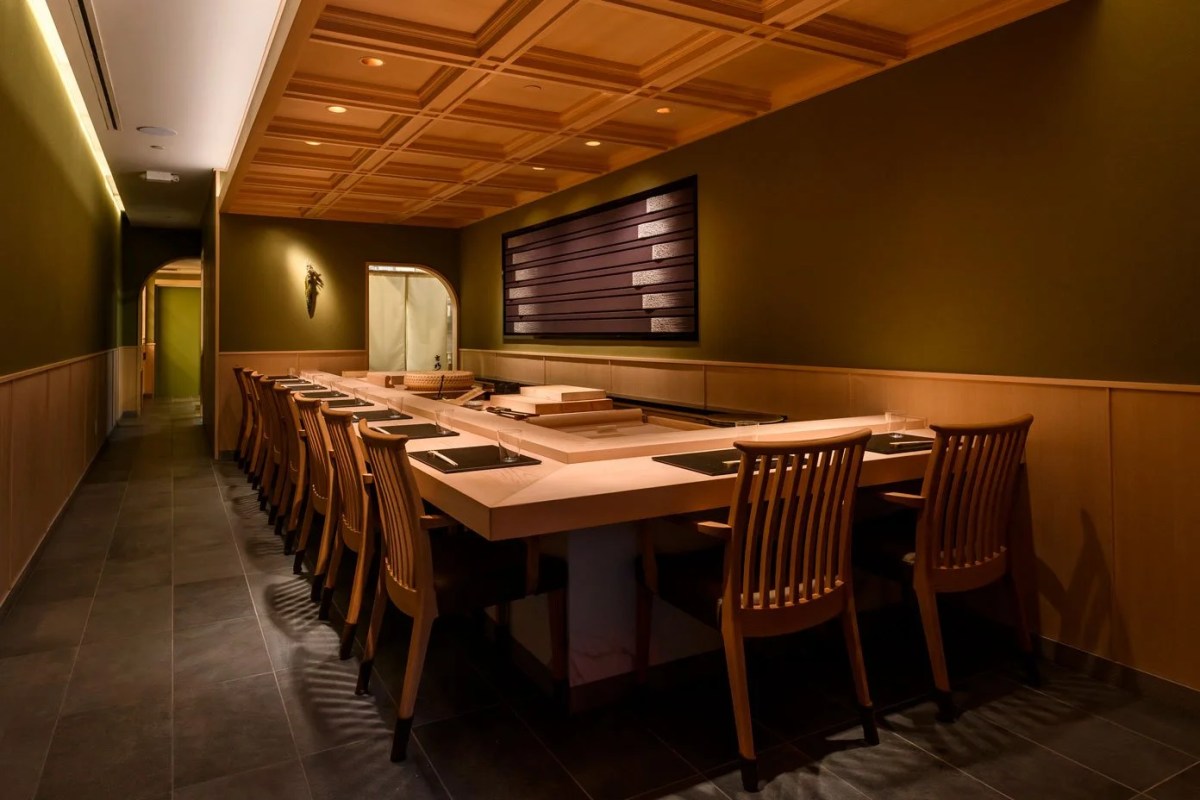
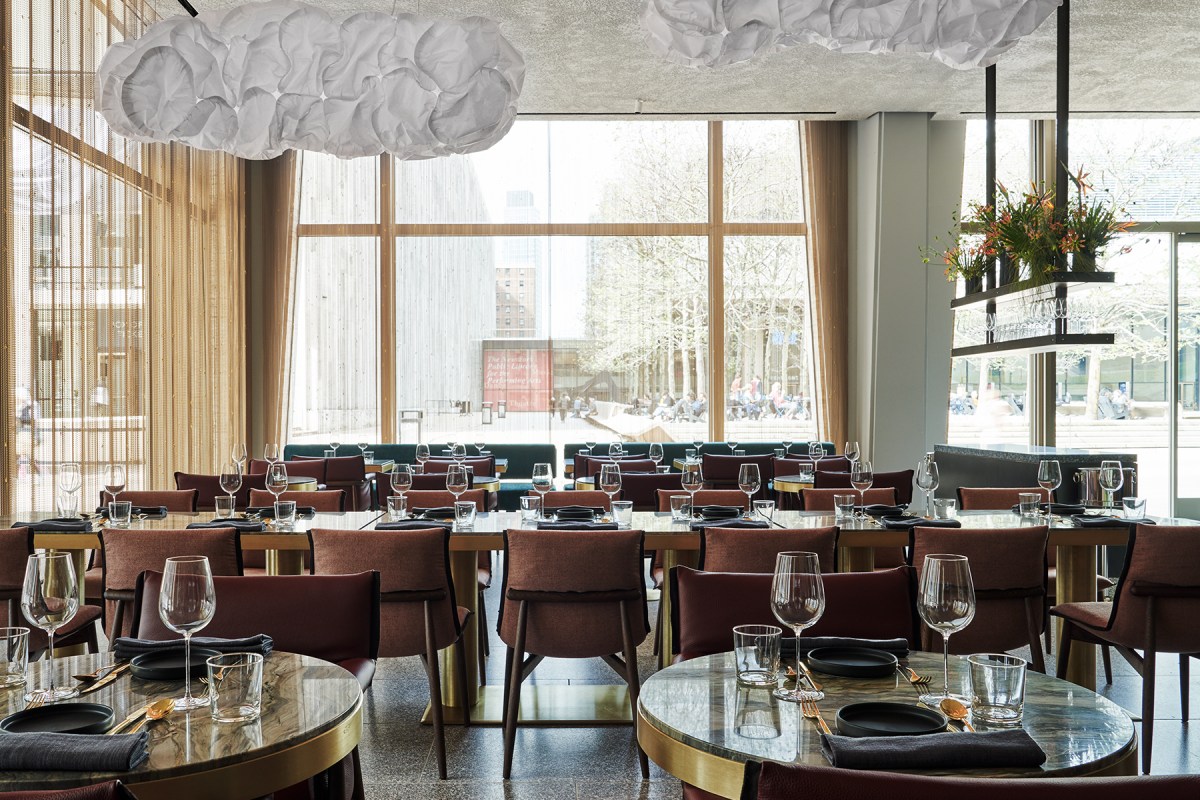
This palazzo carries its own history: it is said to have once held a secret passage connecting it to Palazzo Litta on nearby Corso Magenta, a fitting detail for a restaurant built on the idea of two worlds sharing one roof. The restaurant unfolds over 180 square metres that took more than two years of work between the chef and Andrea Lin to complete, across two dining rooms of roughly twenty covers each; one holds the glazed, visible wine cellar, the other displays Nobuya's own decorated ceramics, which are for sale.
Hexagonal motifs recur across the tables as a nod to Yushima, the Tokyo district where Niimori was born, while a discreet hemp-leaf pattern, a Japanese symbol of growth, marks the wood. Villeroy & Boch ceramics sit beside glassware brought in directly from Japan, and the arched glass front lets guests see the chef at work before they are even seated.
02The chef
Niimori Nobuya learned traditional Japanese technique in Tokyo before his first kitchen job, in an Italian restaurant in the city, turned into a lasting attachment. He left Japan and moved to Italy more than twenty years ago, working daily alongside Michelin-starred chefs, including Moreno Cedroni, while experimenting with ideas drawn from both culinary traditions. A spell with Nobu Matsuhisa at Nobu Milano closed the circle, pulling him back toward Japanese technique with sharper focus; he then led the kitchen at Sushi B in Brera until 2018, where Milan came to know him as one of the more exacting interpreters of authentic Japanese cooking in the city.
Insider tipDinner only, Monday–Saturday, 19.00–23.00; booking recommended, unmarked entrance.
Nobuya, built with restaurateur Andrea Lin, who already ran ten Chinese and Japanese restaurants around Varese, is the first project to carry Niimori's own name and tell his own story through the plates.
03The cooking
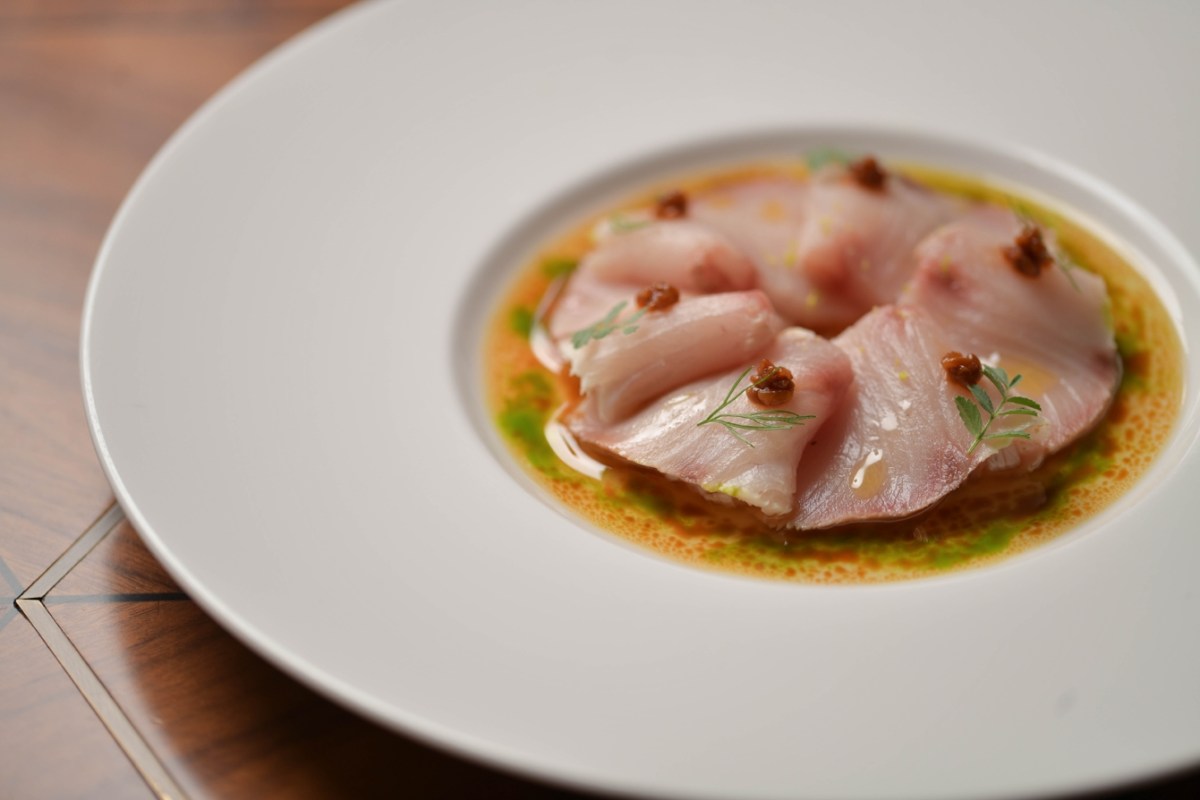
Dry-ageing fish, known in the kitchen as frollatura, sits at the centre of Niimori's research: through controlled time, temperature and humidity the flesh matures slowly, gaining aromatic depth and new texture rather than simple freshness, and whole aged pieces are kept on view in the dining room. Much of the produce is Italian and seasonal, with cime di rapa, broccoli and radicchio rosso worked into Japanese formats, while Nobuya has also begun growing Japanese vegetables with Planet Farms, the Milanese vertical-farming company, closing the distance between its two pantries.
The result leans closer to Japan's own repertoire of long braises, stews and fried dishes than to the pared-back, static style that has come to define much Japanese dining in Milan, with the menu changing according to what the market offers each day.
04What to order
A la carte, look for the King Crab gratinato with Planet Farms lettuce and crisp shokupan toast, the Aburi di ventresca di tonno with saikyo miso and wasabi rocket, and the Anguilla Kabayaki, grilled eel served with an eel takikomi gohan.
Among the heartier plates, the Striploin di Wagyu alla brace and the Sanuki Udon with butter-creamed lobster and fresh katsuobushi stand out, while the Chirashi Sushi carries tuna, toro aburi, salmon, ricciola, red prawn, scallop and ikura over rice. Among the rolls, the Zuke Tonno/Toro Aburi, wrapped in a crisp tempura edge with wasabi mayonnaise, is a signature, alongside the Wagyu/Manzo Piemontese roll pairing Japanese and Italian beef.
Don't miss
Don't miss
- 01
King Crab gratinato with Planet Farms lettuce and crisp shokupan toast
- 02
Anguilla Kabayaki, grilled eel with its own eel takikomi gohan
- 03
Striploin di Wagyu alla brace with seasonal vegetables
- 04
Sanuki Udon with butter-creamed lobster and fresh katsuobushi
- 05
Zuke Tonno/Toro Aburi roll with tempura crumb and wasabi mayonnaise
05Wine and drinks
The cellar matches the kitchen's ambition: a broad selection of Italian and French wines, with particular depth in Burgundy, sits alongside a collection of prized sakes sourced from across Japan and chosen for balance and finesse rather than name recognition. One of the two dining rooms is built around this glazed, visible cellar, and the full list can also be browsed online through the restaurant's own wine portal, which runs to tea, beer and spirits for guests who want something lighter.
06When to go and booking
Nobuya serves dinner only, Monday to Saturday from 19.00 to 23.00, and is closed on Sundays. The entrance carries no sign, sitting on a lane that curves between Piazzale Cadorna and Corso Magenta, directly opposite the Chiesa di San Nicolao, so it is worth booking in advance by phone, email or through the restaurant's own reservation page rather than simply turning up.