In this story · 6 sections
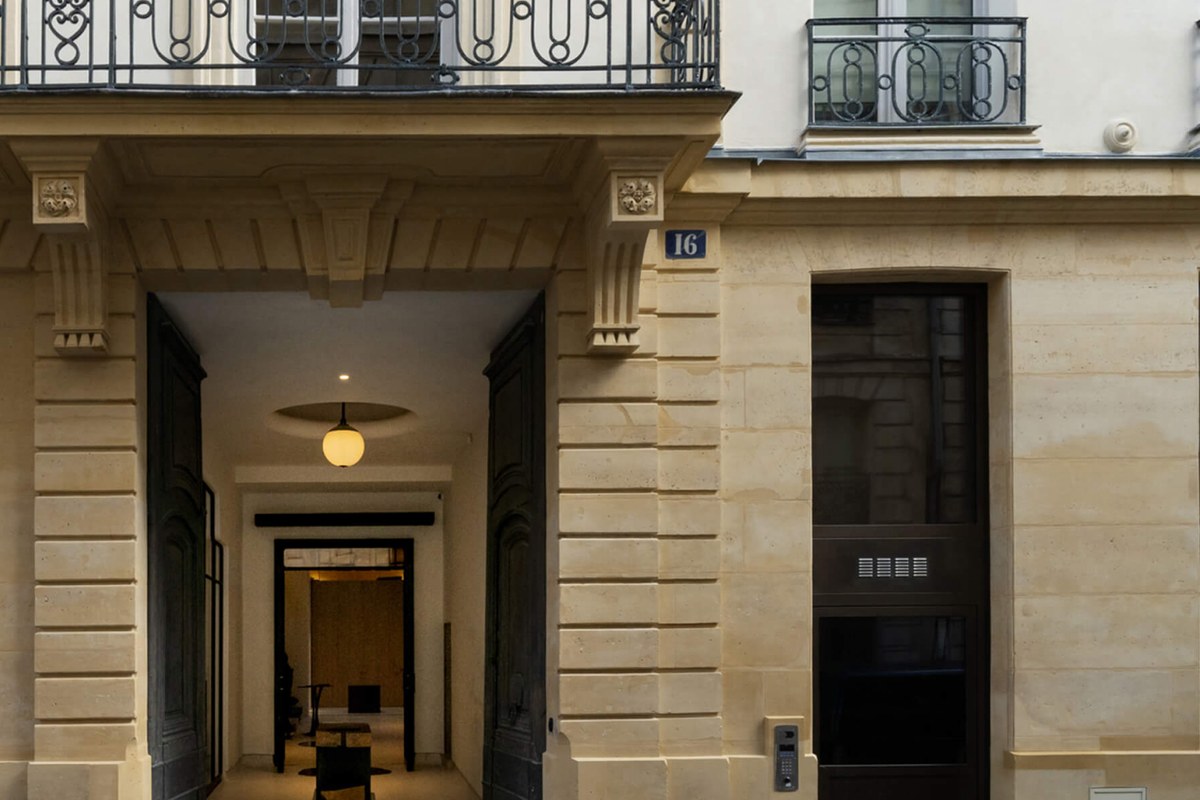
Ogata occupies a hôtel particulier built between 1620 and 1643 at 16 rue Debelleyme, in the heart of the Haut Marais, the first flagship of designer Shinichiro Ogata's eponymous project outside Japan. Born in Nagasaki Prefecture, Ogata founded his design studio Simplicity in 1998, and gave this address, an 800-square-metre private mansion in the middle of the fashionable Marais district, a new life as a tea salon, cocktail bar, boutique, gallery and restaurant under one roof. The restaurant itself, built around an open kitchen and a counter, is Selected in the MICHELIN Guide. Since spring 2026 its kitchen has belonged to a visiting chef with stars of his own: from 6 May until 24 December, two-MICHELIN-starred chef Hiroki Odo of New York joins Ogata Paris for a season-long residency, cooking a seafood-led kaiseki built on French fish and seasonal vegetables rather than the imports he relies on at home.
Ogata
Restaurant · Haut Marais
© OpenStreetMap contributors · OpenFreeMap
- Address
- 16 rue Debelleyme, 75003 Paris
- Cooking
- Japanese – Kaiseki
- Chef
- Hiroki Odo (residency, 2 MICHELIN Stars in New York)
- Run by
- Shinichiro Ogata
- MICHELIN Guide
- Selected in the MICHELIN Guide
- Price
- Spare no expense
- Open
- Wed–Sun, lunch & dinner (prepaid menus)
- Setting
- 17th-century hôtel particulier, open kitchen & counter
- Nearest station
- Filles du Calvaire (line 8)
- Telephone
- +33 1 80 97 76 80
- Website
- ogata.com
Shinichiro Ogata's first address outside Japan, where a kaiseki counter run this year by two-MICHELIN-starred chef Hiroki Odo sits beside a tea salon, bar and gallery.
01The room and the setting
The building has carried four centuries of Parisian life. Construction began under the reign of Louis XIII, as the Marais grew into a quarter of aristocratic town houses; in 1742 Henry-Louis Frédy, an advisor to the king, became its first recorded occupant, and by 1821 the painter Gabriel Ruineau, known as Fontaine, had made it his home, the building turning into private lodgings from then on. The street only took its current name, rue Debelleyme, in 1865. After a balcony collapse, architect Jean-Pierre Dacbert restored the façade in 1948; two years later the hardware firm Weber bought the property and restructured it heavily, before it was classified within the Marais's protected sector. Four years in the making, the restoration became Shinichiro Ogata's own work of design before opening its doors in 2019.
Inside, the design plays with that memory rather than erasing it. Fifty panels of suspended washi paper form a canopy over the entrance hall, each one echoing a sound of the Japanese syllabary, while a stone tsukubai basin marks the passage from the street's noise into the calm of the rooms. Downstairs, the vaulted stone basement amplifies the murmur of water boiling in a cast-iron kama kettle, built for the tea ceremony performed in the sabō. Every chair, teapot and door handle in the building was designed in-house by Ogata's own studio, Simplicity.
02The chef
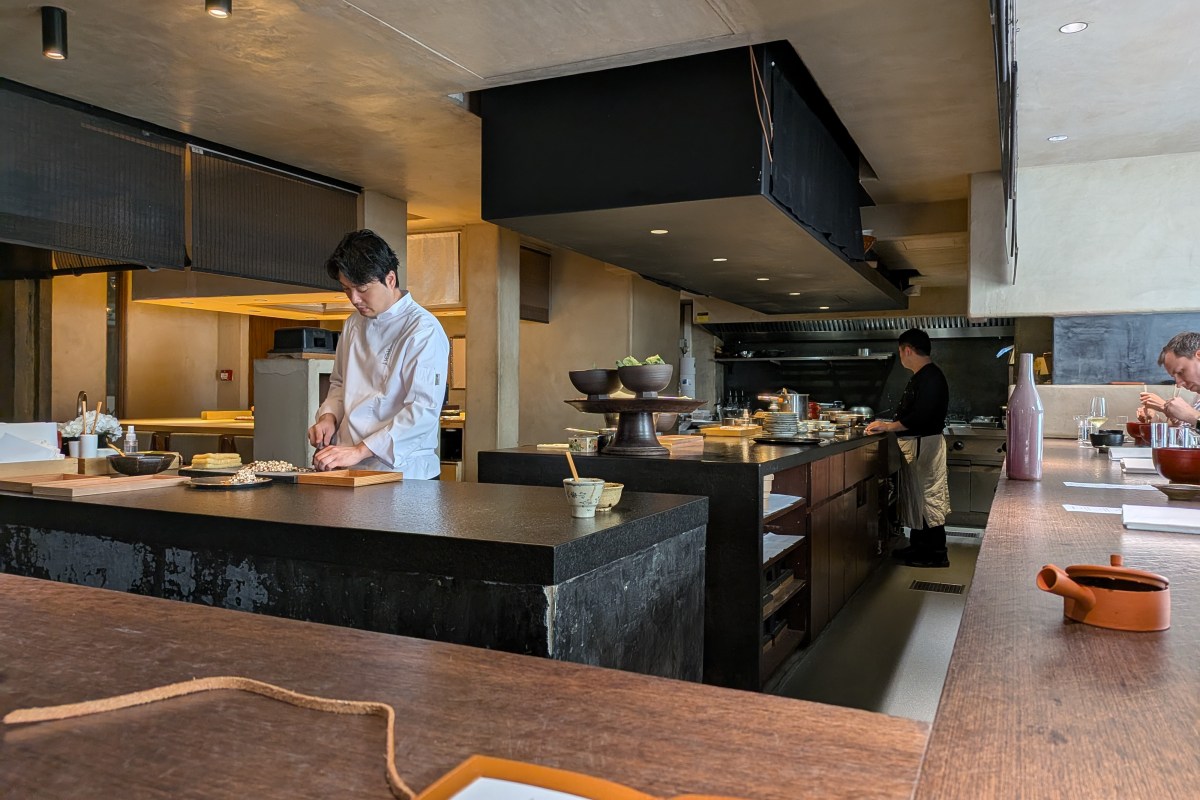
Since 6 May 2026, the pass has belonged to a visiting chef who carries two MICHELIN Stars of his own: from 6 May until 24 December, Hiroki Odo of New York joins Ogata Paris for the residency. Born in Kagoshima Prefecture, Odo trained at Kyoto Wakuden, one of Japan's most prestigious kaiseki restaurants founded in 1870, before helping launch Yakumo Saryo in Tokyo — the same dining and tea house project that first connected him with Shinichiro Ogata. In 2012 he moved to New York, where he won a Michelin star as head chef of Kajitsu, the first restaurant to bring authentic Shōjin cuisine to the United States. He became independent in 2018 with his own restaurant, Odo, earning one Michelin star in 2020, and two stars from 2023, a distinction it held for three consecutive years. For the Paris residency, table seating follows the everyday register of Ke, while the counter offers the more exacting kaiseki of Hare, a progression built on alternating raw, steamed, grilled, fried and simmered technique.
Insider tipOpen Wednesday to Sunday; kaiseki menus are prepaid; nearest métro is Filles du Calvaire, line 8.
03The cooking
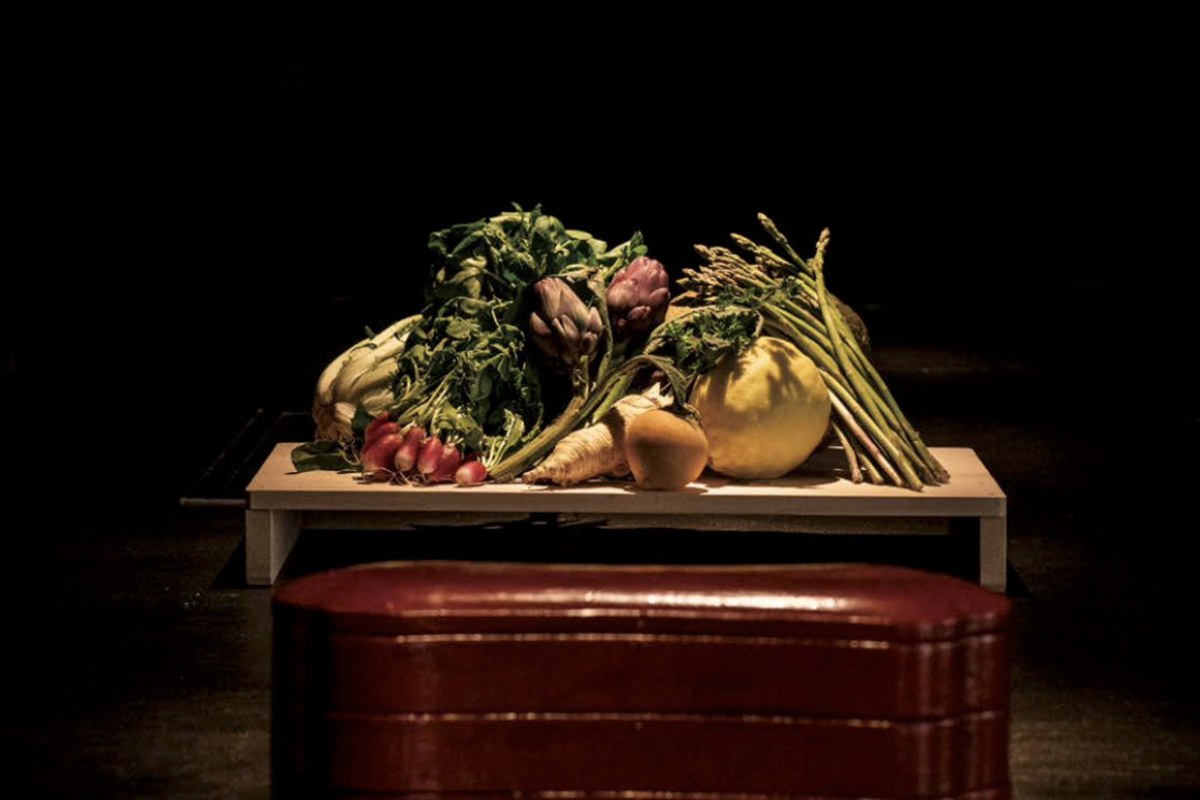
Kaiseki Ryori is a multi-course Japanese dining tradition in which each dish is defined by its own cooking method, built from seasonal ingredients to balance texture, flavour and presentation. At Ogata, Odo's version is seafood-led, drawing on the best French fish available locally together with seasonal vegetables, since unlike in New York he cannot simply import from Japan's own waters. Guests are invited to discover what the kitchen calls authentic 'Odo-ism' — a style honed over several Michelin-starred years in Manhattan, now reworked ingredient by ingredient for a Parisian larder.
04What to order
At lunch, the kitchen runs three Seafood Kaiseki menus: a three-course lunch at 48€, Le Petit Kaiseki in four courses at 85€, and a five-course tasting menu at 145€, all prepaid. Dinner keeps the same five-course tasting menu at 145€ alongside a seven-course Menu Signature at 195€. Those at the counter can add from a short list of supplements: an Otsukuri sashimi assortment (three varieties for 50€, five for 80€), the signature Tamagoyaki rolled omelette (20€), straw-grilled lamb with artichoke, Oniku (35€), braised beef and vegetables, Nikujaga (40€), or a deep-fried breaded beef fillet, Gyukatsu, at 55€. The tea salon downstairs runs its own lunch offers, including a vegan ASAZEN brunch and a Tamagoyaki set built around rice cooked in a cast-iron pot.
Don't miss
Don't miss
- 01
Chef Hiroki Odo's seafood-led kaiseki residency, running 6 May to 24 December 2026
- 02
The fifty washi-paper panels over the entrance, one for each sound of the Japanese syllabary
- 03
Tamagoyaki, the signature rolled omelette, as a supplement or part of the lunch set
- 04
A tea-based cocktail at the top-floor Shubō bar — Ryokucha Gin or Hōjicha Rhum
- 05
The Sabō tea salon's vaulted stone basement, built around a cast-iron kama kettle
05Wine and drinks
The cocktail bar, Shubō, sits on the top floor and pours an extensive list of Japanese spirits — sake, shōchū and whisky — alongside a signature set of tea-based cocktails, among them Ryokucha Gin, Hōjicha Rhum, Bancha Whisky and Matcha Bière. House cocktails are built around the five basic flavours of spicy, sour, bitter, salty and sweet, finished with liqueurs made from tea, plants or fruit. Diners who arrive at the restaurant without a reservation are offered an otōshi for 8€ while they wait; the bar itself is reserved for guests over eighteen.
06The neighbourhood
Ogata sits in the Haut Marais, a few streets from the gallery district around rue de Turenne. Shinichiro Ogata chose rue Debelleyme deliberately: a location apart from the Marais's busier corners, yet close enough to the neighbourhood's art galleries to feel part of their rhythm. The nearest stations are Filles du Calvaire on line 8 and Saint-Paul on line 1, both a short walk from the quieter northern reaches of the district, where antique dealers and small galleries outnumber the crowds of rue des Francs-Bourgeois.