In this story · 6 sections
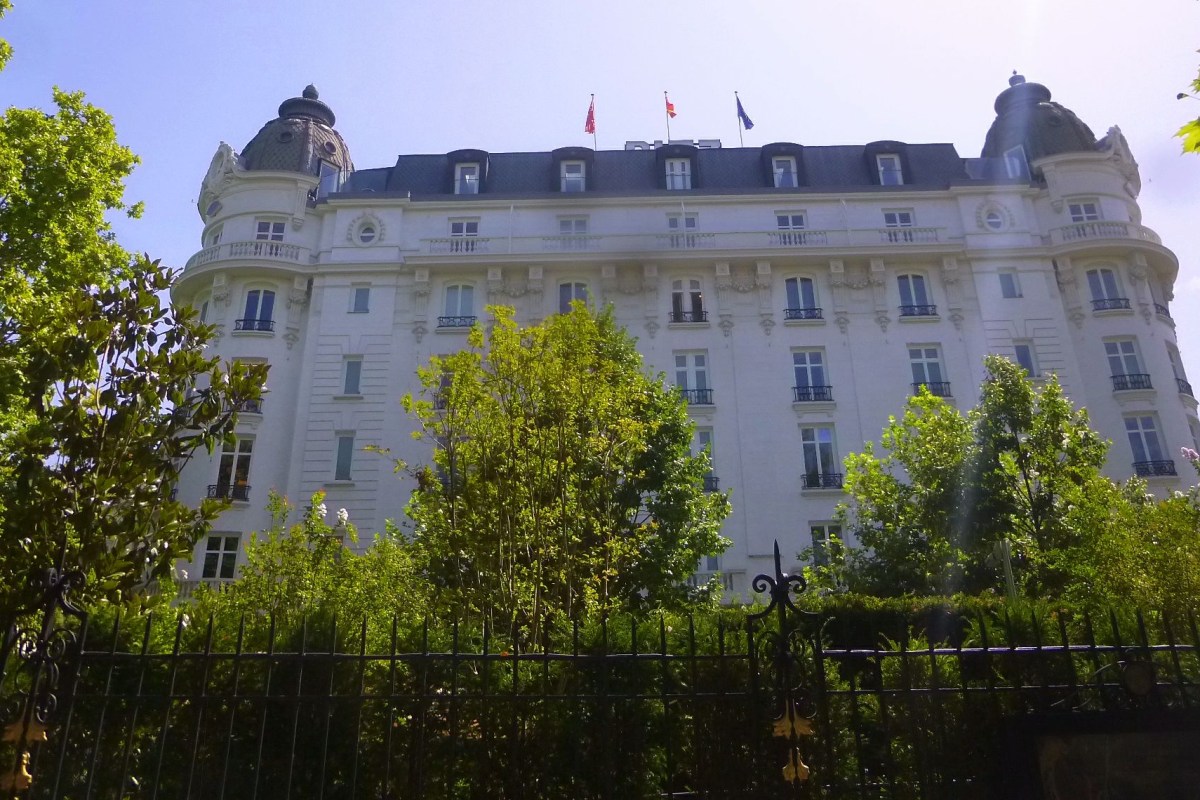
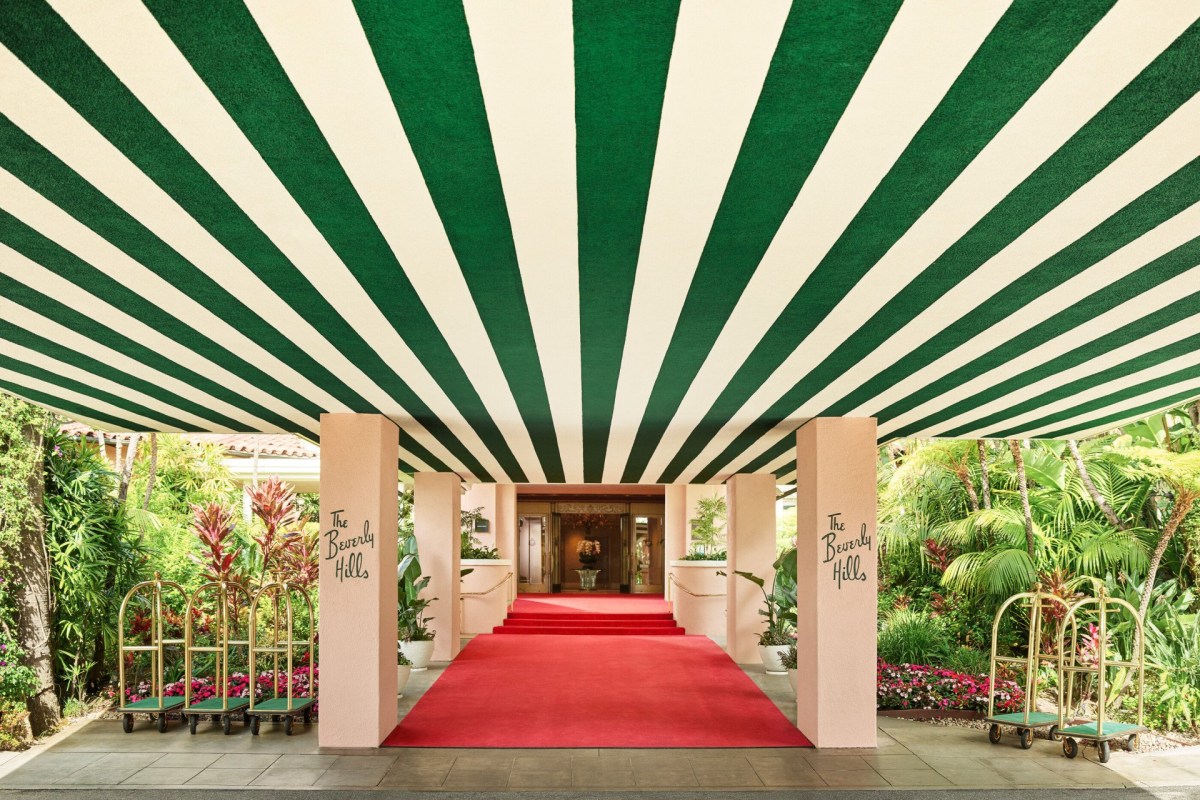
The Beverly Hills Hotel opened on 12 May 1912, built so that prospective buyers scouting the land around it had somewhere grand to stay while they looked. Architect Elmer Grey gave the building a Mediterranean Revival silhouette of arcades and red tile, but it was the colour chosen instead of plain white stucco, a brilliant, startling pink, that gave the hotel its enduring nickname, the Pink Palace. More than a century on it still sits on twelve acres of garden just north of Sunset Boulevard, in the postcode that lent its name to '90210', with 210 rooms and suites and 23 private bungalows where Hollywood has conducted its business, its romances and its scandals since before the Academy Awards existed. The MICHELIN Guide now recognises the hotel with Three Keys, acknowledgment of a property that has survived changing ownership, a two-and-a-half-year closure for restoration, and every shift in Los Angeles fashion without ever losing its grip on the city's imagination.
The Beverly Hills Hotel, Dorchester Collection
Hotel · Beverly Hills
© OpenStreetMap contributors · OpenFreeMap
- Address
- 9641 Sunset Boulevard, Beverly Hills, CA 90210
- Opened
- 12 May 1912
- Rooms
- 210
- Restaurants
- Polo Lounge, Fountain Coffee Room, Cabana Cafe, Bar Nineteen12
- Telephone
- +1 310 276 2251
- Website
- dorchestercollection.com
- MICHELIN Guide
- Three MICHELIN Keys
A Mediterranean Revival hotel on twelve acres, famous for its pink facade, Martinique wallpaper and century of Hollywood history.
01The house
Developer Burton Green, president of the Rodeo Land and Water Company, hired Margaret Anderson, who had been managing the nearby Hollywood Hotel, to run the new property he first called Beverly Farms. The hotel she opened on 12 May 1912 preceded the city around it: Beverly Hills was not officially incorporated until two years later, in 1914. By 1915 the first five bungalows had already been added, giving the wealthiest guests a degree of privacy unheard of at the time, and within a few seasons stars such as Charlie Chaplin and Mary Pickford were buying homes in the new city taking shape around the hotel.
The building's modern identity was largely set in the 1940s. In 1941, restaurateur Hernando Courtright and a group of investors bought the hotel and brought in architect Paul R. Williams, who added the Crescent Wing and reimagined the Polo Lounge, the Fountain Coffee Room and the lobby, along with the looping cursive sign on Sunset Boulevard, modelled on his own handwriting. It was around this period that the hotel was painted the brilliant, startling pink that gave it its lasting nickname. Decorator Don Loper then dressed the interiors in a banana-leaf print called Martinique, created by C.W. Stockwell in 1942, which has since become one of the most recognisable wallpapers in the world.
Ownership has shifted more than once since: in 1987 the Sultan of Brunei bought the hotel, later transferring it to the Brunei Investment Agency in 1991. The property closed for a complete restoration on 30 December 1992 and reopened on 3 June 1995, and has been run as part of Dorchester Collection since 1996. In 2012 it became the first building named a historic landmark in the city of Beverly Hills, the same year two further Presidential Bungalows were added. Its fame has long since outgrown hospitality writing alone: the hotel's silhouette appears on the cover of the Eagles' album Hotel California, a song loosely inspired by the folklore that has grown up around the building itself.
02Rooms and suites
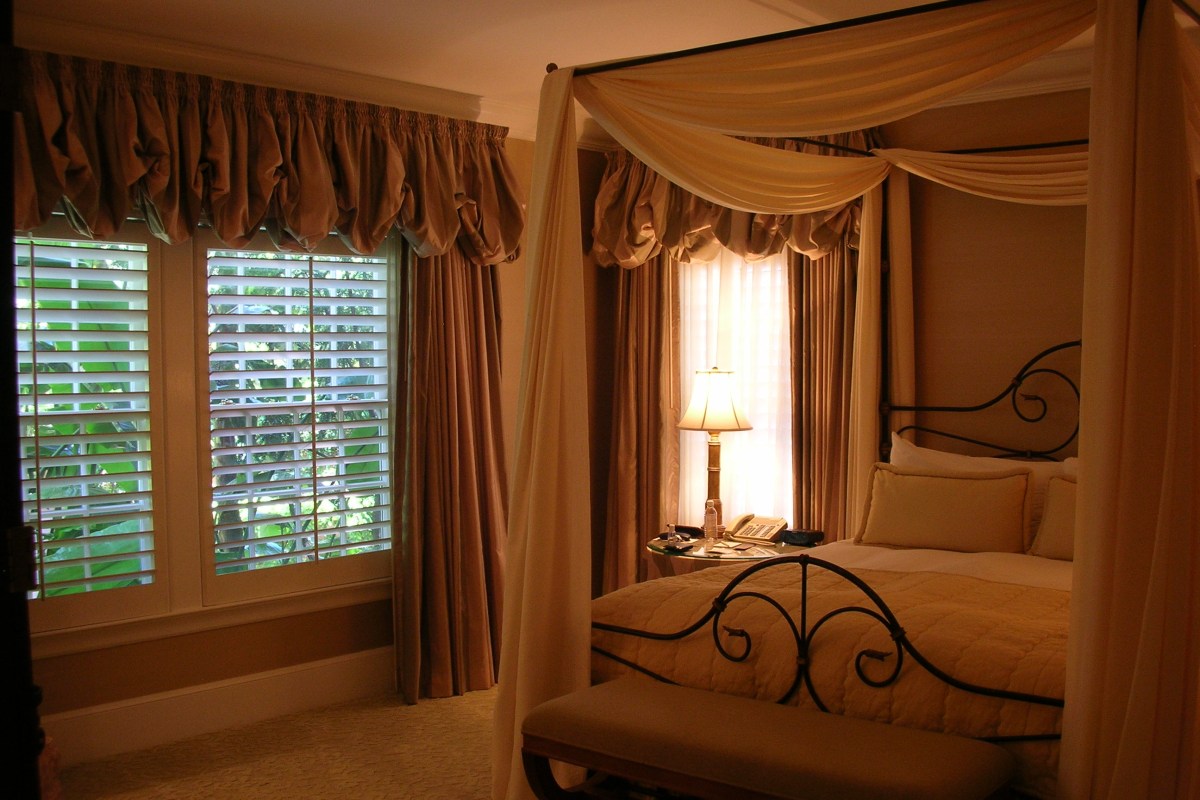
The 210 rooms and suites split between the main building and 23 bungalows scattered through the gardens. Rooms in the main house lean into Los Angeles glamour, while the bungalows take their cue from the planting outside for a looser, more contemporary Californian feel. The category list reads like a map of the hotel's own history: Superior and Deluxe rooms, some with balconies or private patios, sit alongside suites named for the property's landmarks, among them the Beverly Hills Suite, the Rodeo Suite, the Crescent Suite and the Paul R. Williams Suite, rising to the Grand Deluxe, Premier and Presidential Suites.
Insider tipFive minutes from Rodeo Drive by car; LAX is roughly 30–40 minutes away depending on traffic
In the gardens, individually numbered historic bungalows, including Bungalow 1, 3, 5, 8, 9 and 22, can be booked by name, each carrying its own stories from decades of well-known occupants, alongside a dedicated Presidential Bungalow and several bungalow suites for longer stays.
03Where to eat
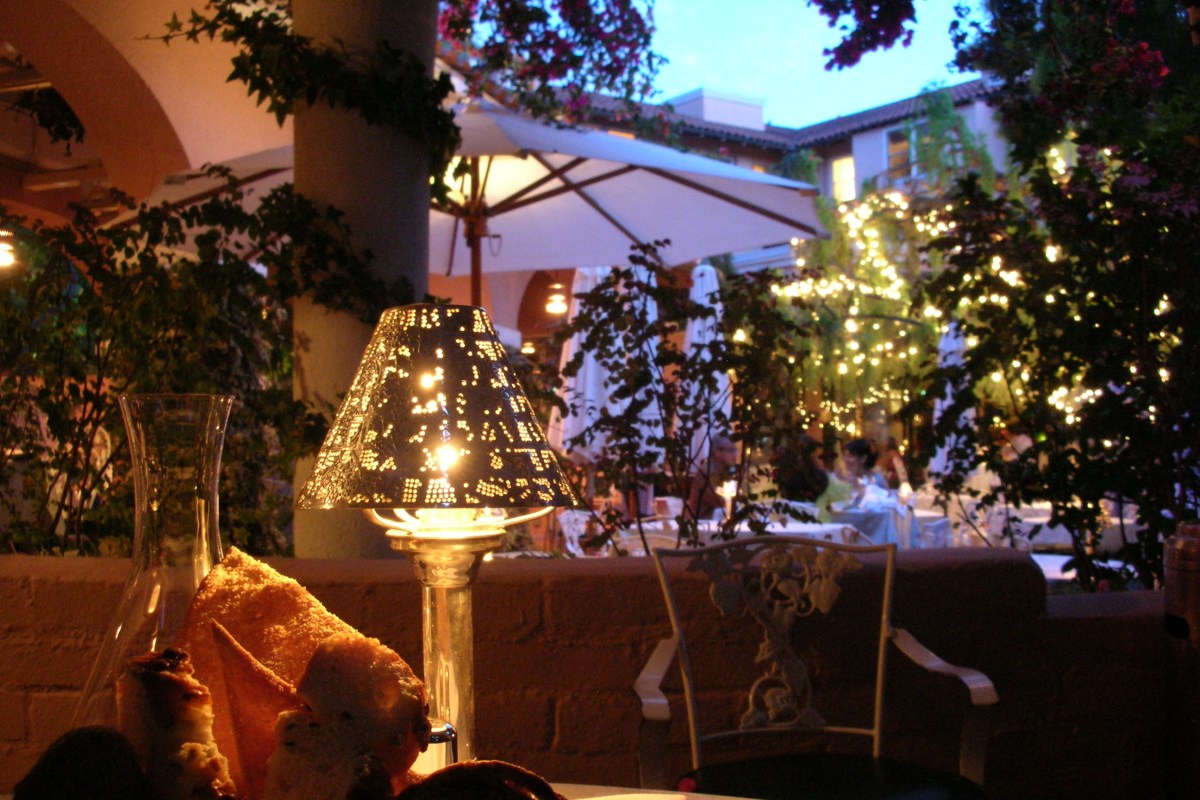
The hotel counts four restaurants and bars altogether: Bar Nineteen12, the Cabana Cafe, the Fountain Coffee Room and the Polo Lounge. The Polo Lounge remains the room most people picture when they think of this address: a candy-striped ceiling, booths worked out over decades by regulars, and a menu of American cooking with an Italian edge that still runs the long-standing McCarthy salad at lunch. Director Pepe De Anda is the one who knows exactly who sits where and why. A piano player works lunch and dinner, and Sunday brunch on the patio runs to live jazz; the dress code, meanwhile, rules out baseball caps, ripped denim, flip-flops and, after 4pm, shorts for men.
A few steps away, the Fountain Coffee Room has served breakfast and the hotel's apple pie to whoever happens to be sitting on the next stool, famous or not, since 1949, tucked into a space Paul R. Williams carved out of the lobby in his 1940s remodel. By the pool, the Cabana Cafe keeps things lighter, with fresh-squeezed juices and a picture-perfect setting for lunch in the sun.
04The pool and gardens
The pool dates back to 1938, when it opened as the Sand and Pool Club, complete with imported sand to mimic a beach club, and it has stayed at the centre of the hotel's social life ever since. Poolside cabanas are dressed in neutral tones with pink accents and come stocked with a mini fridge, bathrobes, a personal safe and a flat-screen television, for up to four guests at a time. The cabanas carry their own legends: Leonard Bernstein is said to have worked out the idea for West Side Story in Cabana 3, Katharine Hepburn once dived in fully clothed, and the Beatles held a private party poolside. A spa and a 24-hour gym are available for guests who want more than sunshine, and the pool itself is reserved exclusively for hotel guests.
05The neighbourhood
Located on twelve acres of prime residential real estate just north of Sunset Boulevard, the hotel sits inside the world's most quoted postcode, 90210, a five-minute drive from the boutiques of Rodeo Drive and within easy reach of Beverly Hills' galleries, restaurants and the office towers of Century City. Los Angeles International Airport is around 30 to 40 minutes away by car, traffic allowing, a reminder that this is a hotel built for an era before freeways, its gardens still its best defence against the city outside.
06Making the most of a stay
Book well ahead for dinner at the Polo Lounge: it has operated as Hollywood's unofficial commissary for most of a century, and it still fills up like one.
Don't miss
Don't miss
- 01
Order the McCarthy salad at lunch in the Polo Lounge, a long-running menu fixture
- 02
Have breakfast under the Martinique banana-leaf print in the Fountain Coffee Room, open since 1949
- 03
Book a poolside cabana — ask for Cabana 3, where Leonard Bernstein is said to have sketched out West Side Story
- 04
Look for the cursive sign on Sunset Boulevard, modelled on architect Paul R. Williams' own handwriting
- 05
Stay in one of the numbered historic bungalows, such as Bungalow 1, 5 or 22, for a slice of the hotel's private history