In this story · 6 sections
On the sixth floor of a stone tower at the corner of the Quai de la Tournelle, La Tour d'Argent has been feeding Paris since long before the word restaurant existed in French. Established in 1582, this legendary restaurant continues to enchant diners with its magical view of the River Seine and Notre-Dame, its huge open kitchen and its steel kinetic-effect ceiling. It is the address whose outline inspired the fictional kitchen in Ratatouille, and today it holds one star from the Michelin Guide, a distinction earned the hard way: the restaurant has seen the successive loss of its three stars, once awarded by the Michelin Guide between 1933 and 1996. In the kitchen, chef and Meilleur Ouvrier de France Yannick Franques strikes a balance between traditional and contemporary, not least through his fine work with sauces. What has never changed is the view, nor the ritual of a duck pressed tableside in silver, a performance now well into its second century.
Tour d'Argent
Restaurant · 5th arrondissement, Latin Quarter
© OpenStreetMap contributors · OpenFreeMap
- Address
- 15 Quai de la Tournelle, 75005 Paris
- Cooking
- Modern French with classical roots
- Chef
- Yannick Franques (Meilleur Ouvrier de France)
- Run by
- André Terrail, third generation of the family
- MICHELIN Guide
- One MICHELIN Star
- Open
- Tuesday–Saturday, 12:00–14:00 & 19:00–21:00
- Setting
- 6th floor, facing the Seine, Notre-Dame & Île St-Louis
- Nearest station
- Pont-Marie
- Telephone
- +33 1 43 54 23 31
- Website
- tourdargent.com
Sixth-floor room facing Notre-Dame; chef Yannick Franques; a cellar of 300,000+ bottles; the duck ritual invented in 1890.
01The room and the setting
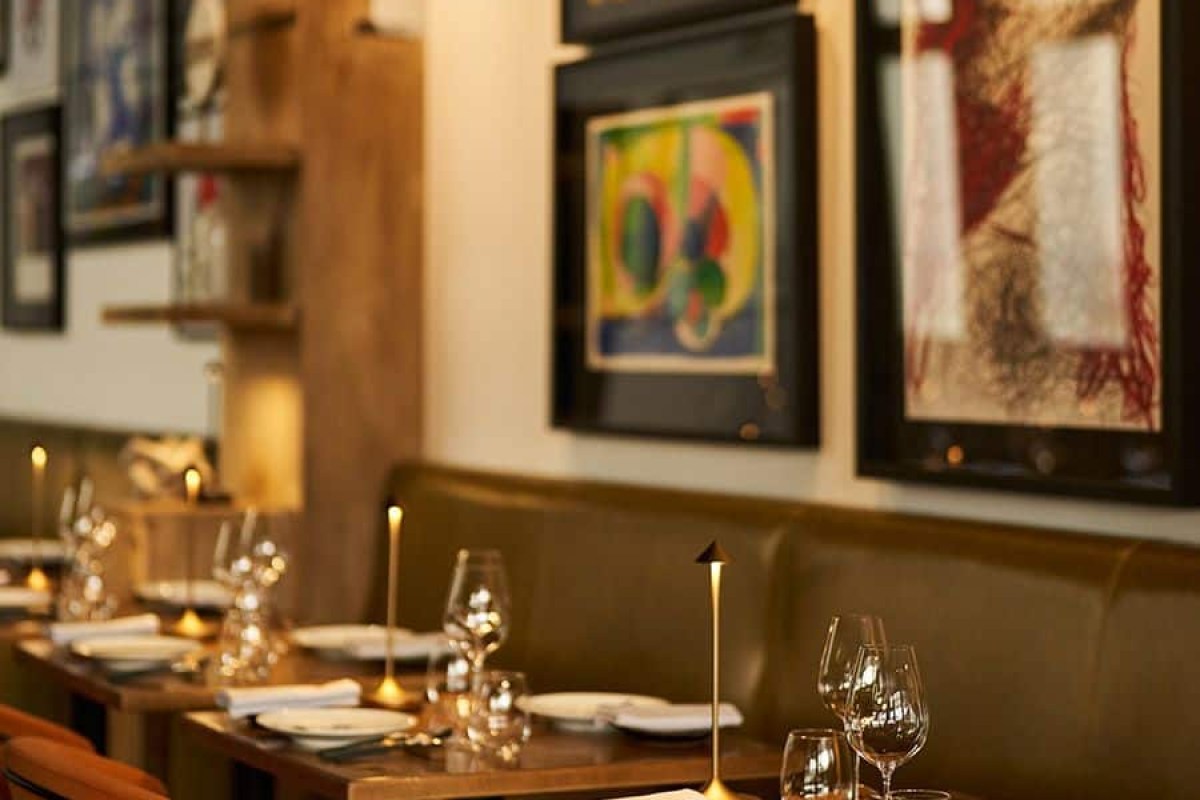
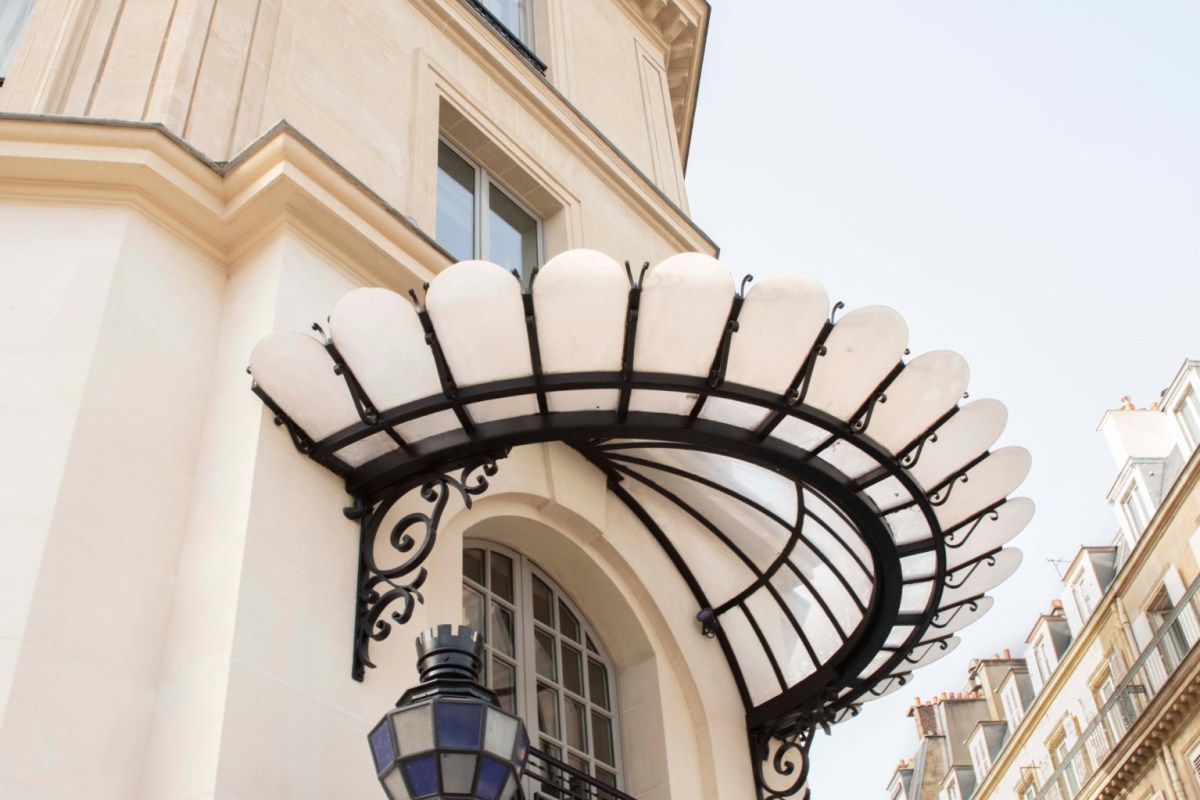
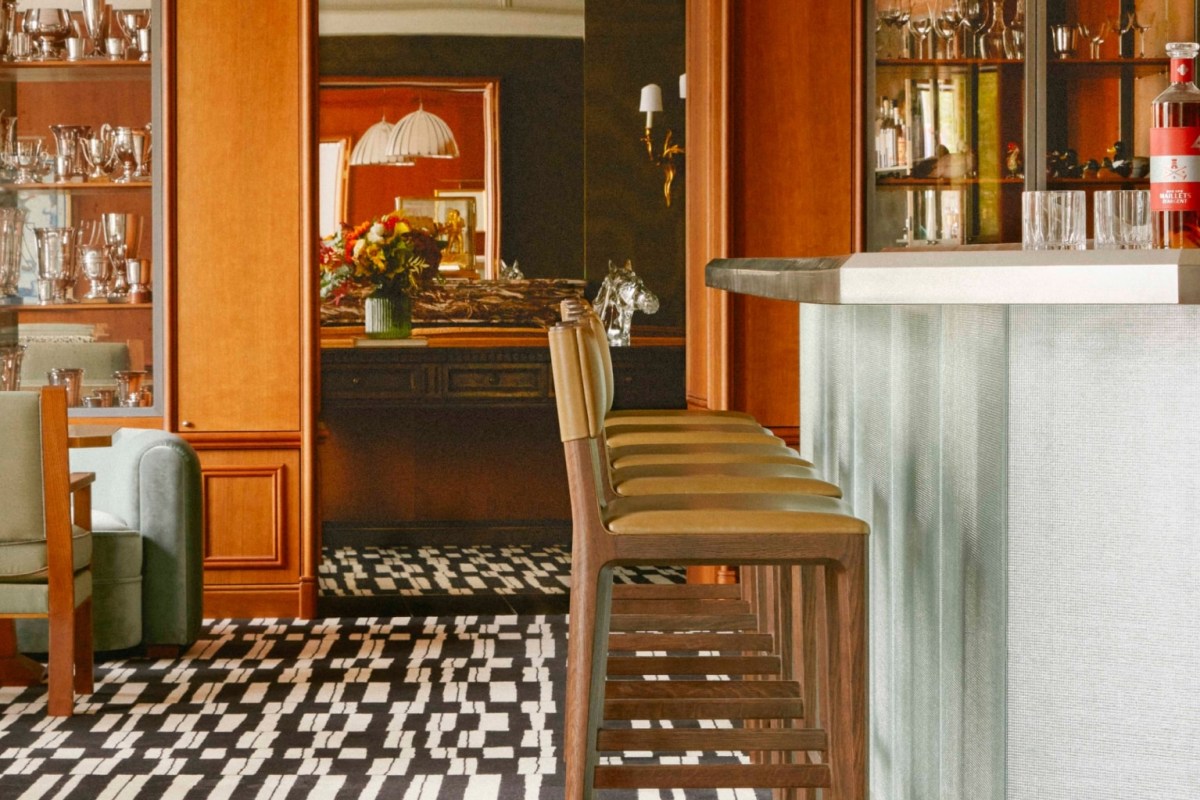
The dining room owes its position to a 1936 gamble: the Terrail family built the now-famous hall on steel girders because the original building could not bear its weight, turning an open terrace into the glassed-in room that still frames Notre-Dame, the Île Saint-Louis and, further off, Sacré-Coeur. In 2022 owner André Terrail closed the restaurant for more than a year and handed the brief to architect Franklin Azzi, who reopened the house in August 2023 with the kitchen set in full view of the room, a new silver ceiling overhead and the clutter of old service stations swept away.
Guests still pass the corridor of signed photographs before the lift carries them up, and the kitchen — some sixty cooks on a busy service — now works in white toques behind glass rather than behind closed doors. Since the reopening the name has spread beyond the sixth floor: a seventh-floor cocktail terrace called Le Toit de la Tour, a one-night apartment on the floor below, and street-level outposts for bread, roast poultry and fine groceries all now carry the Tour d'Argent name.
02The chef
Yannick Franques joined La Tour d'Argent in 2019, already carrying the title Meilleur Ouvrier de France. He trained under Eric Frechon at the Bristol, Christian Constant at the Crillon, Alain Ducasse at the Louis XV and Jean-Louis Nomicos at the Grande Cascade, and passed through the Château Saint-Martin in Vence, where he won two stars in the Michelin Guide, before taking charge on the Quai de la Tournelle.
Insider tipClosed Sun & Mon; formal dress; valet €20/4hrs; nearest metro Pont-Marie.
His brief was not to erase the house's classics but to lighten them. He now directs a brigade built around dishes that still carry the names of the people who invented them a century ago — His Majesty the Duck, Frédéric Delair; the mystery of the egg; a warm oyster finished in a Viognier sauce — reinterpreted, course by course, with a contemporary hand.
03The cooking
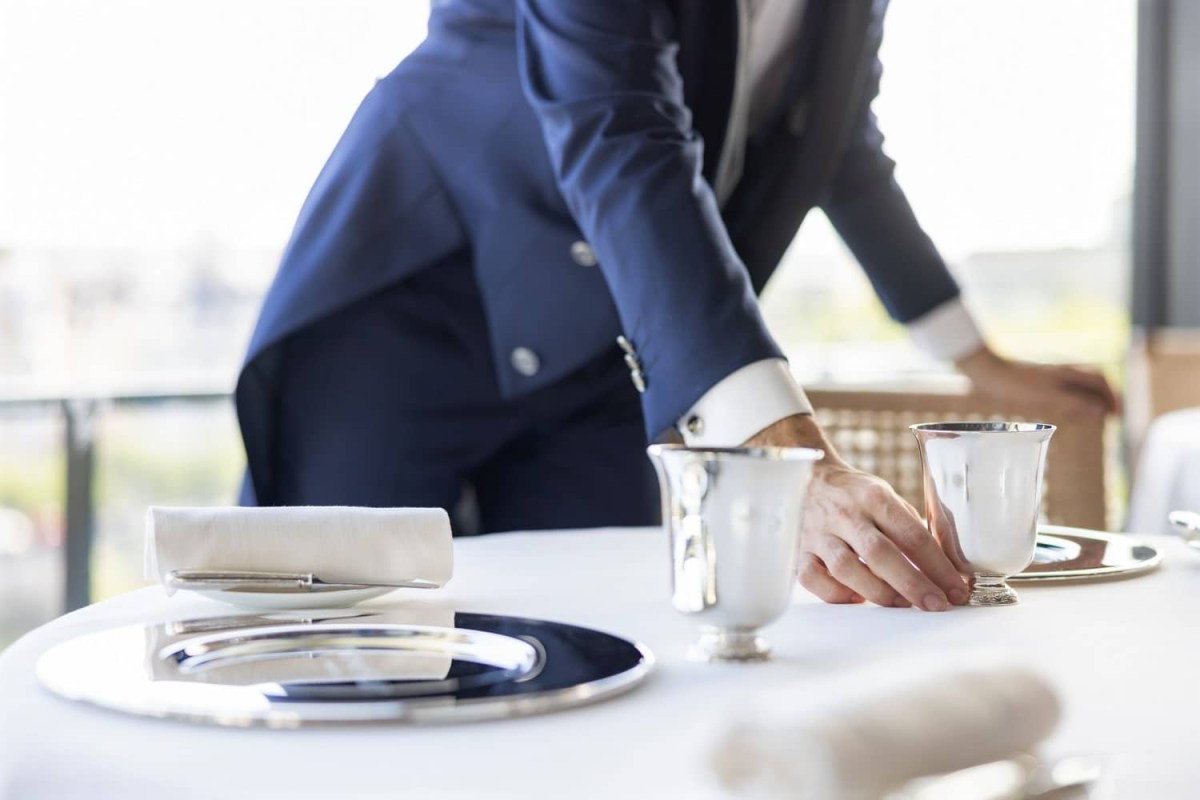
The dish that defines the house is still the duckling pressed at the table, a ritual that all begins in 1890, when Frédéric Delair, then the restaurant's maître d'hôtel and owner, codified the famous bloody duckling as a piece of theatre performed in the room, with precise and elegant gestures. The duckling, raised on the Burgaud farm at Challans in the Vendée, is roasted, carved tableside, and its carcass pressed in a silver press so the last juices can be drawn into a sauce finished with Madeira, Cognac and the bird's own liver, which is then spooned over the fillets.
Every duckling served has carried a number since that first service: number 328 went to the Prince of Wales, the future Edward VII, in 1890, and number 53,211 to Emperor Hirohito of Japan in 1921. By the time of a visit recorded in early 2025 the running total had passed 1.2 million birds — proof that the ritual, nearly a century and a half old, has lost none of its appetite for ceremony.
04What to order
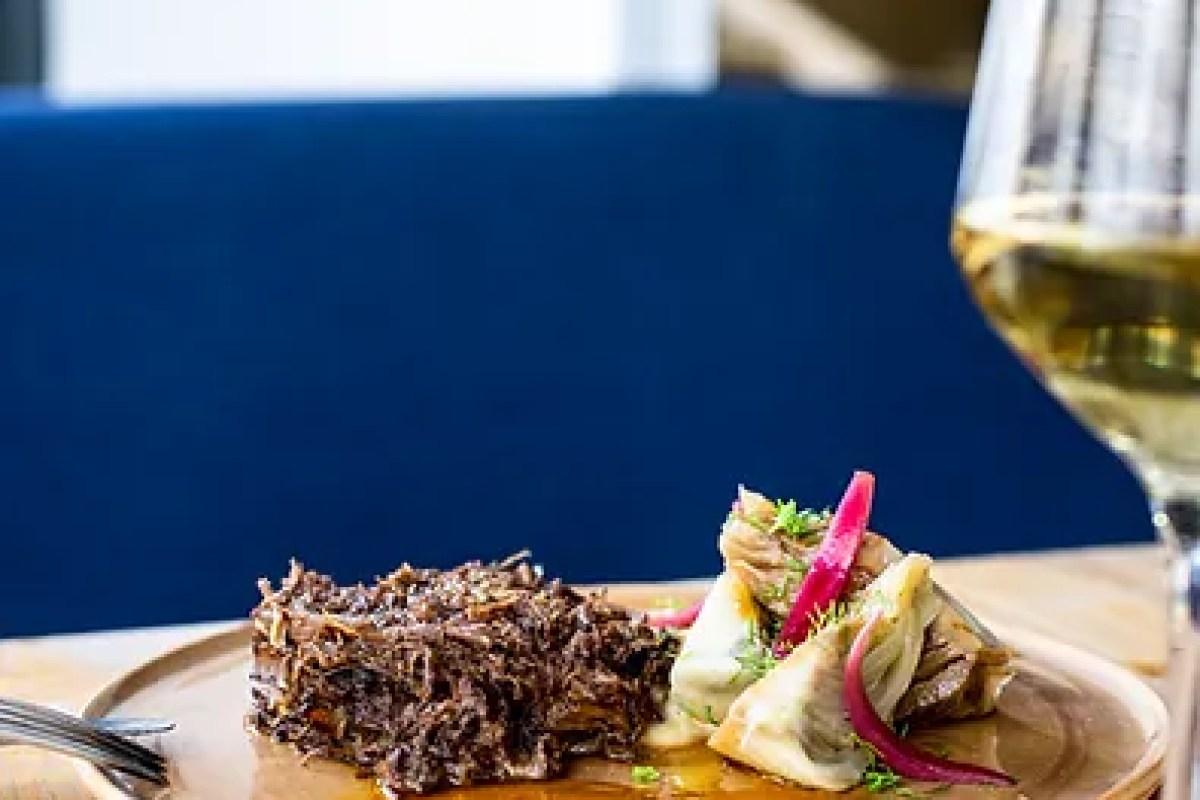
Beyond the duck, the carte still carries the classic foie gras of the three emperors, Tour d'Argent caviar, Claudius Burdel's wild game ragout, blue lobster with a lovage sabayon and snow peas, and the duckling served as fine strips with rocket and artichoke, alongside timeless specialties such as André Terrail's quenelles, Frédéric Delair's duckling, and the Tournelles saddle of lamb.
The chef's seasonal additions have included a roasted Tournelles lamb saddle with herbs, golden artichokes with anchovy, a piquillo pepper purée and a Soubise jus, and a roasted monkfish medallion with stuffed morels, a stew of peas and broad beans in vermouth, and a black lemon sabayon. Dessert tends to close on something lighter — a recent tasting menu finished on a light note with pineapple.
Don't miss
Don't miss
- 01
The Frédéric Delair duckling, pressed tableside and numbered since 1890
- 02
The sixth-floor view of Notre-Dame, the Seine and the Île Saint-Louis
- 03
Foie gras of the three emperors and Tour d'Argent caviar
- 04
A tour of the cellar with head sommelier Victor Gonzalez
- 05
The Tournelles saddle of lamb with piquillo pepper purée
05Wine and drinks
Beneath the dining room, on the level the staff call minus one, lies a cellar that has been a byword for excess since the nineteenth century: more than 300,000 bottles, including rare grands crus, historic vintages and exceptional champagnes, patiently assembled over four generations. The house has held the Wine Spectator Grand Award every year since 1986.
During the Second World War, as German officers occupied the building, Claude Terrail walled up part of the cellar's half a million bottles with his own hands to keep them hidden, before joining General Leclerc's armoured division; the vintages survived undiscovered. Today head sommelier Victor Gonzalez leads guests through a list still dazzling in its old vintages from all the great châteaux, simply pleasurable to read even before a glass is poured.
06When to go and booking
The restaurant seats guests Tuesday to Saturday, lunch from midday to two and dinner from seven to nine, and closes entirely on Sundays and Mondays.
Valet parking is available for 20 euros covering four hours, Tuesday to Saturday, and the house can arrange a chauffeured car on request. The nearest metro is Pont-Marie, a short walk across the bridge from the quai; Notre-Dame itself, floodlit after dark, feels close enough to touch from the table.