In this story · 7 sections
Twenty minutes south of Milan, where apartment blocks give way to rice paddies and rows of poplars, a nineteenth-century farmhouse shelters one of the more personal tables on the Pavia plain. Cascina Vittoria sits in Rognano, a silent casale dating from the late 1800s that the Ricciardella family found half-derelict and spent years rebuilding into a restaurant, three guest rooms and a bakery laboratory. They named the place after their mother, Vittoria, the only woman among four brothers who grew up helping in these same kitchens, while their father Giuseppe still works the vegetable garden and keeps the hens, ducks and geese that lay the eggs used in the kitchen and the pastry lab. It is Selected in the MICHELIN Guide, recognition for cooking that stays closer to the orto and the pasta board than to metropolitan gloss, even if the ambition on the plate – a Wagyu tasting menu, white truffle in season – reaches well beyond the farmyard.
Cascina Vittoria
Restaurant · Pavia countryside, between Milan and Pavia
© OpenStreetMap contributors · OpenFreeMap
- Address
- Via Roma 26, 27010 Rognano (PV), Italy
- Cooking
- Traditional, farm to table
- Chef
- Giovanni Ricciardella
- Run by
- The Ricciardella family
- MICHELIN Guide
- Selected in the MICHELIN Guide
- Price
- Special occasion
- Open
- Tue–Sat lunch & dinner, Sun lunch only, closed Mon
- Setting
- Restored farmhouse (casale) dating from 1870
- Telephone
- +39 0382 185 5538
- Website
- cascinavittoria.it
Four Ricciardella brothers run kitchen, cellar and dining room in their mother's name, in a casale rebuilt over a decade.
01The room and the setting
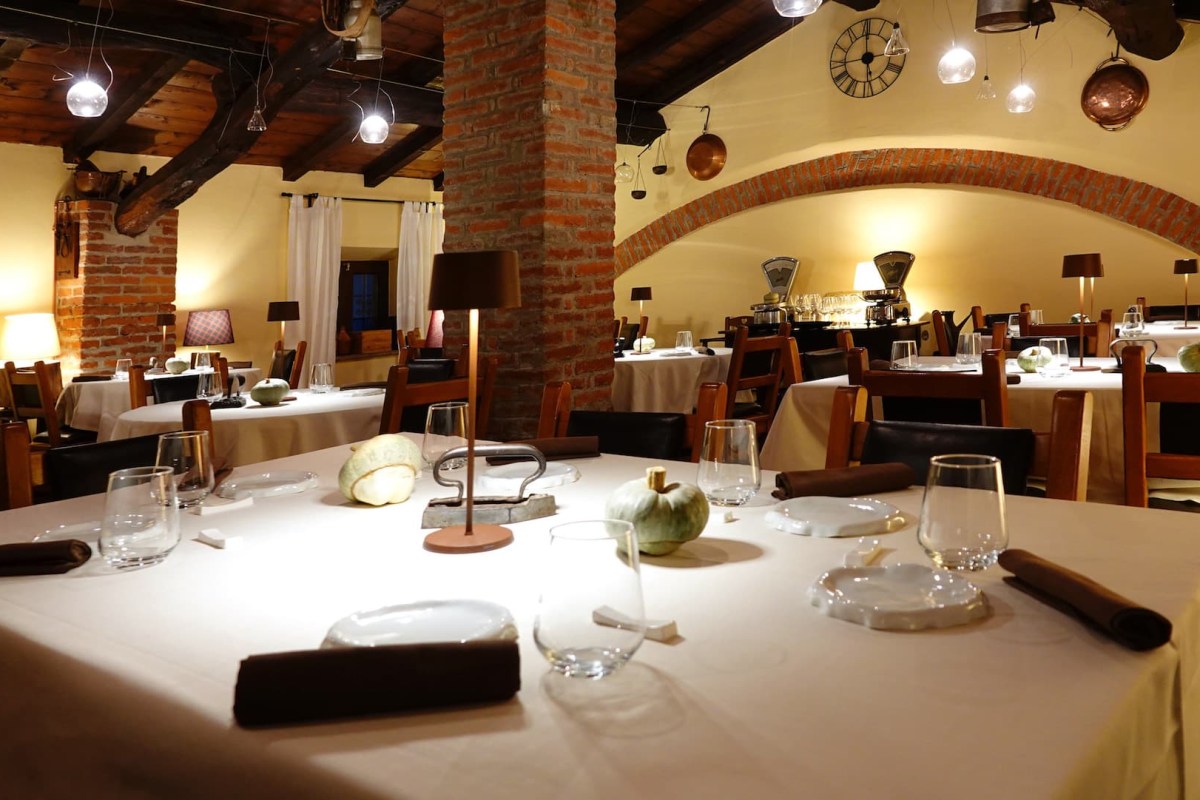
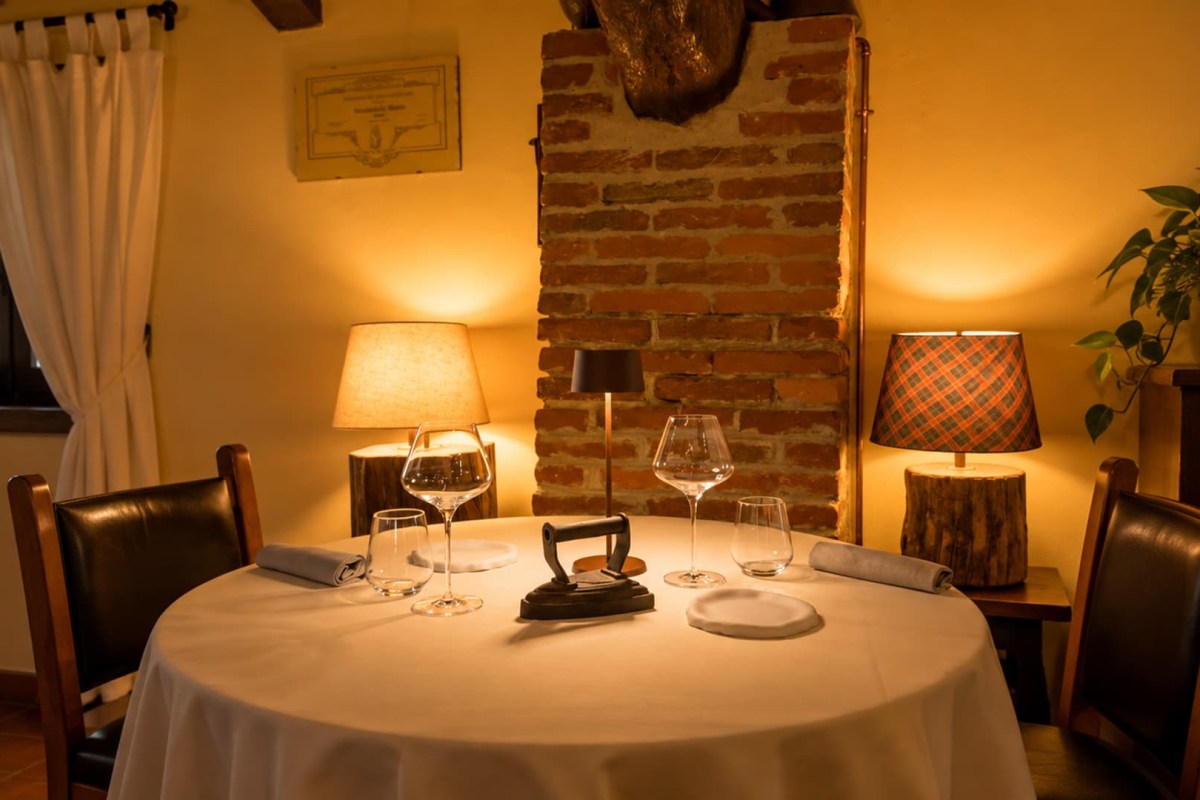
The building itself is the first course. Exposed brick arches, timber ceilings, wrought-iron railings and a stone staircase lead up to a smaller, more intimate room with a fireplace, the kind of detail that turns a working cascina into a restaurant without losing the sense of a farmhouse that has simply been tidied, not disguised.
The restoration, led by the family with the architect Edoardo Germani, took the best part of a decade to turn an unnamed, roofless podere into the corte it is today. In summer the courtyard becomes the main stage: a sheltered outdoor dining area the family calls the dehors estivo, where meals are taken in the shade of the surrounding countryside rather than under a roof.
02The chef
Giovanni Ricciardella was born in Milan in 1991 and discovered the kitchen at twelve, helping his grandmother roll fresh pasta and bake cakes after school. He trained at the Istituto Alberghiero di Pavia, began working professional kitchens at sixteen, and in 2012, still in his early twenties, took charge of the family restaurant.
Insider tipOpen Tuesday to Saturday for lunch and dinner, Sunday lunch only; closed Monday.
Along the way he worked alongside some of Italian cooking's best-known names, among them Antonino Cannavacciuolo, Iginio Massari, Rolando Morandin and Davide Oldani, experience he folded back into a menu that keeps one foot in tradition and the other in contrast and surprise. In October 2019 he won the Festival degli Chef di Sanremo with a plin dish dedicated to Milan, judged by chef Carlo Cracco, a result that marked him out among the youngest talents on the national circuit.
03The cooking
Almost everything savoury that reaches the table is made in-house. Bread, focaccia, grissini and pan brioche are baked from stone-ground Italian flours and natural sourdough in a wood-fired oven; dry pasta is bronze-drawn from old durum wheat varieties, while the fresh pasta is rolled entirely by hand from soft wheat flour and fresh eggs. Meat comes from carefully vetted, heavily inspected farms and is aged for weeks before it meets the kitchen's brace, a wood grill fired with olive, oak and chestnut, which the Ricciardellas credit for the particular smoke and sweetness in their cooked meats.
The result is a cucina di campagna with a gourmet edge: vegetables from the family's own orto and frutteto dictate the rhythm of the menu by season, while set pieces such as the Wagyu Experience push the kitchen well past its rural starting point.
04What to order
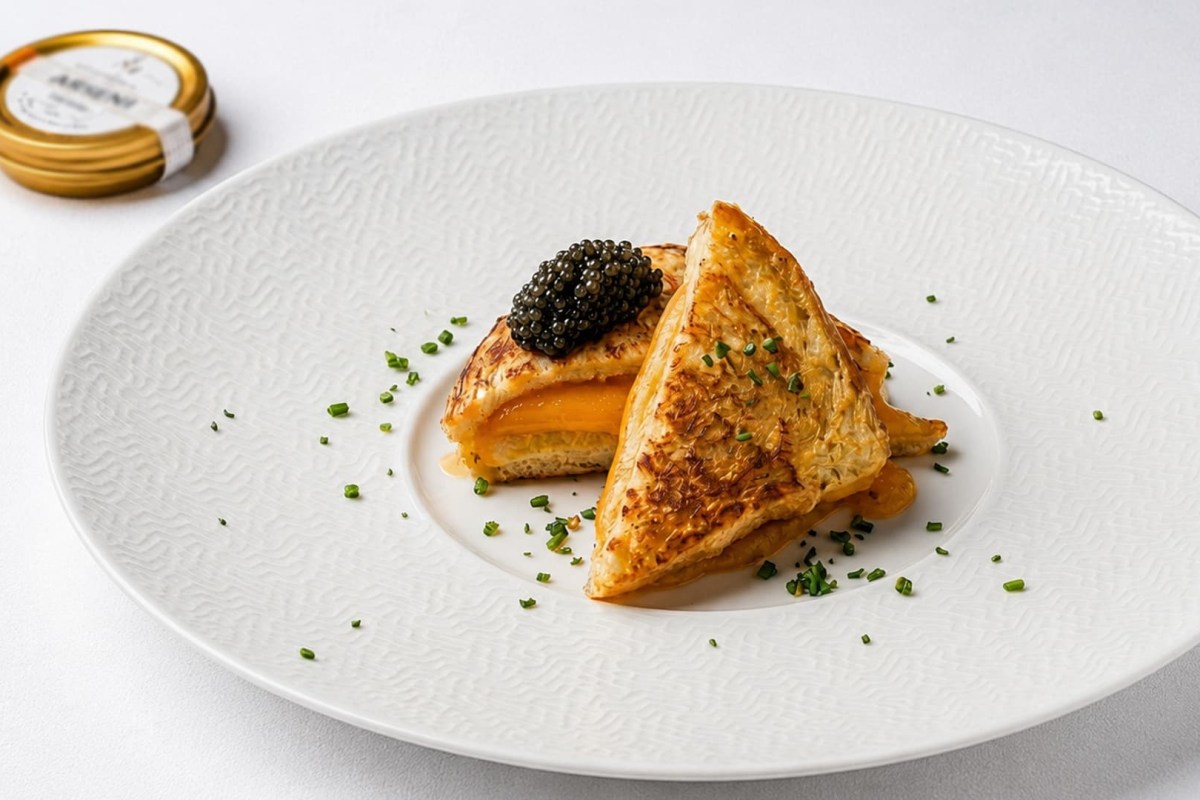
The dish the chef signs with his own name is the millefoglie di melanzana, a layered aubergine composition served with Parmigiano in three temperatures and textures: warm, cold and crisp. When white truffle is in season, the kitchen builds a short run of dishes around it, among them a farmhouse egg with a crisp bread crust, garden vegetables and mountain-potato foam under shaved truffle, and hand-rolled tagliolini finished with Alpine butter and the same truffle.
From the in-house bakery, the panettone made with a sourdough starter kept alive for more than 150 years is worth asking for whatever the month; it won the 2022 Dino Villani prize for artisan leavened baking, and the family bakes it year-round rather than only at Christmas.
Don't miss
Don't miss
- 01
The signature millefoglie di melanzana with three textures of Parmigiano
- 02
White truffle dishes when in season: egg, tagliolini, risotto
- 03
The 150-year sourdough panettone, Dino Villani prize winner 2022
- 04
Meat grilled over olive, oak and chestnut wood on the brace
- 05
The summer courtyard, the restaurant's dehors estivo
05Wine and drinks
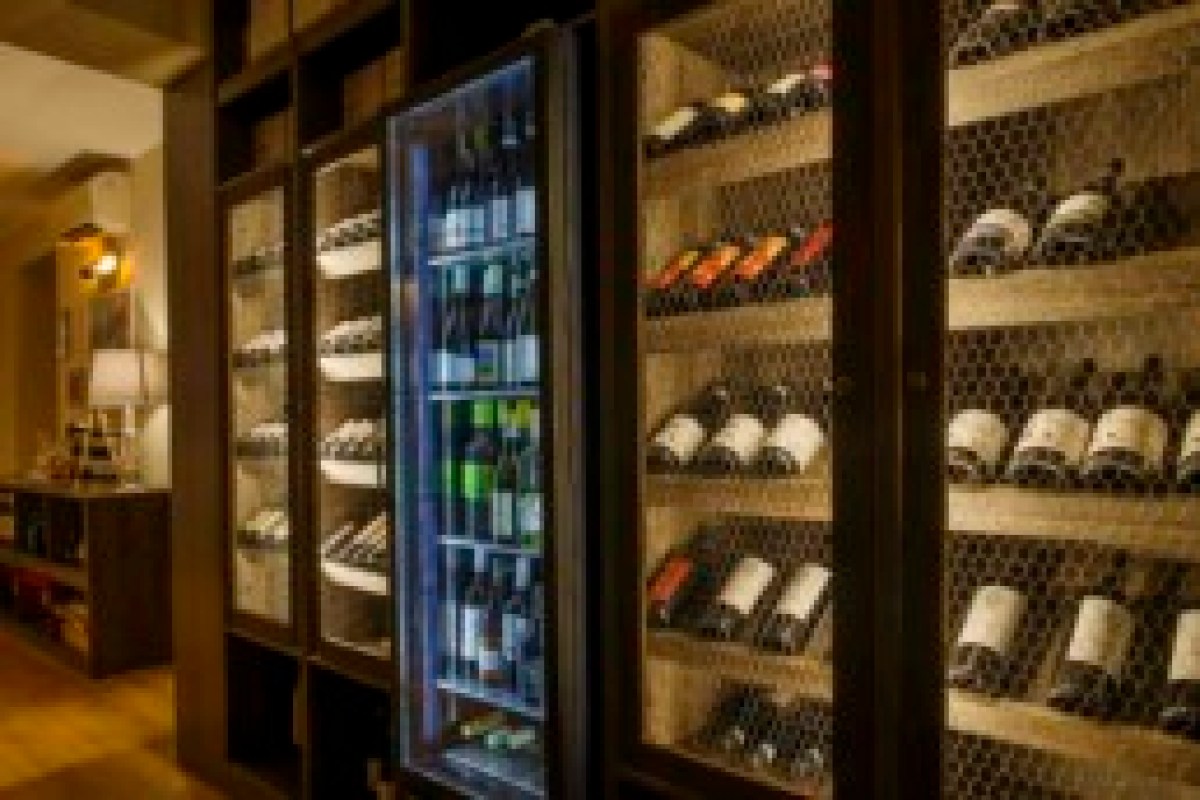
The cellar is the responsibility of Marco Ricciardella, the eldest brother and an AIS-qualified sommelier, who also runs the dining room. His list leans on well-known Italian and international labels while keeping space for small local producers, a cellar built to match a kitchen that moves between rustic dishes and genuinely ambitious plates.
06When to go and booking
As read on the restaurant's own site in 2026, Cascina Vittoria serves lunch and dinner from Tuesday to Saturday (12.30–15.30 and 19.30–23.30) and lunch only on Sunday (12.30–15.30); it is closed on Mondays, though the family may open on public holidays and recommend calling ahead to check. Three bedrooms have been added for guests who would rather stay the night in the countryside than drive back to Milan after dinner.
07The neighbourhood
Rognano sits in the flat, watery landscape between Milan and Pavia, roughly twenty minutes from the Famagosta toll on the city's southern edge, in rice-growing country that also holds the Certosa di Pavia, the Carthusian monastery whose marble façade draws its own stream of visitors. It is a landscape of cascine like this one, farm complexes built around a courtyard, most still working land rather than restaurants.