In this story · 6 sections
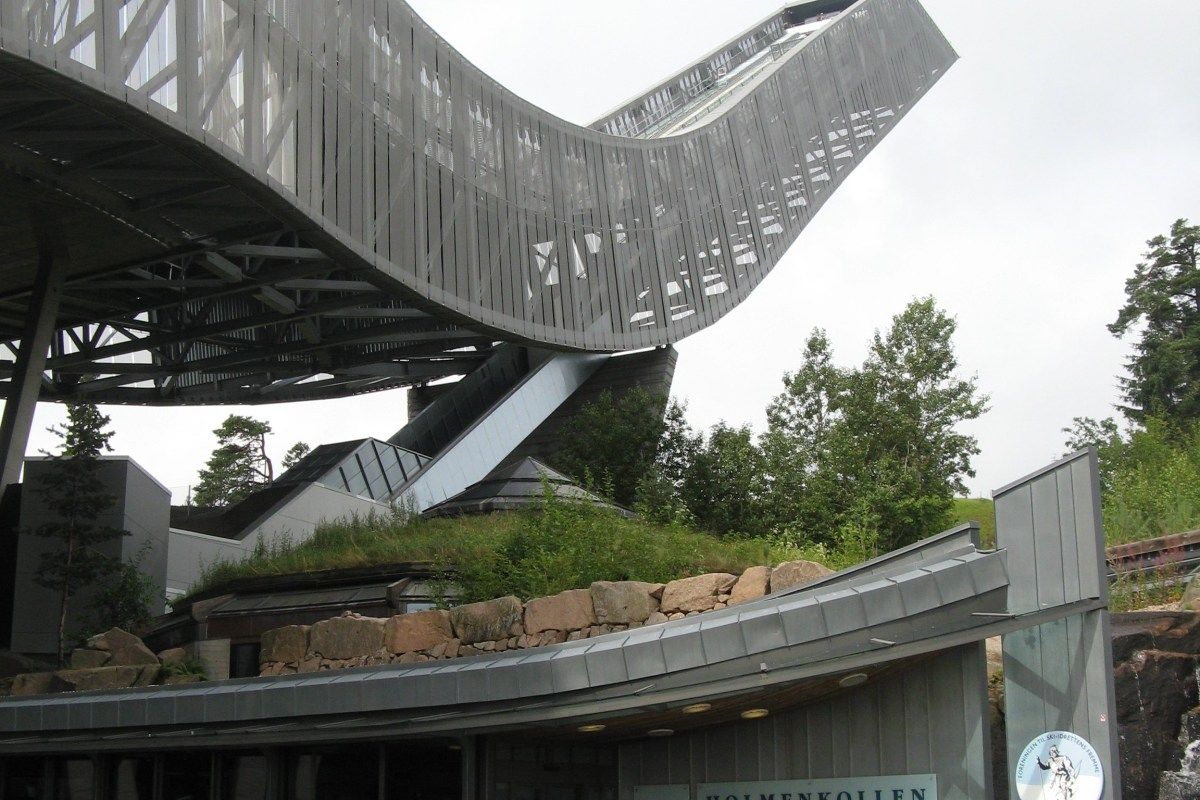
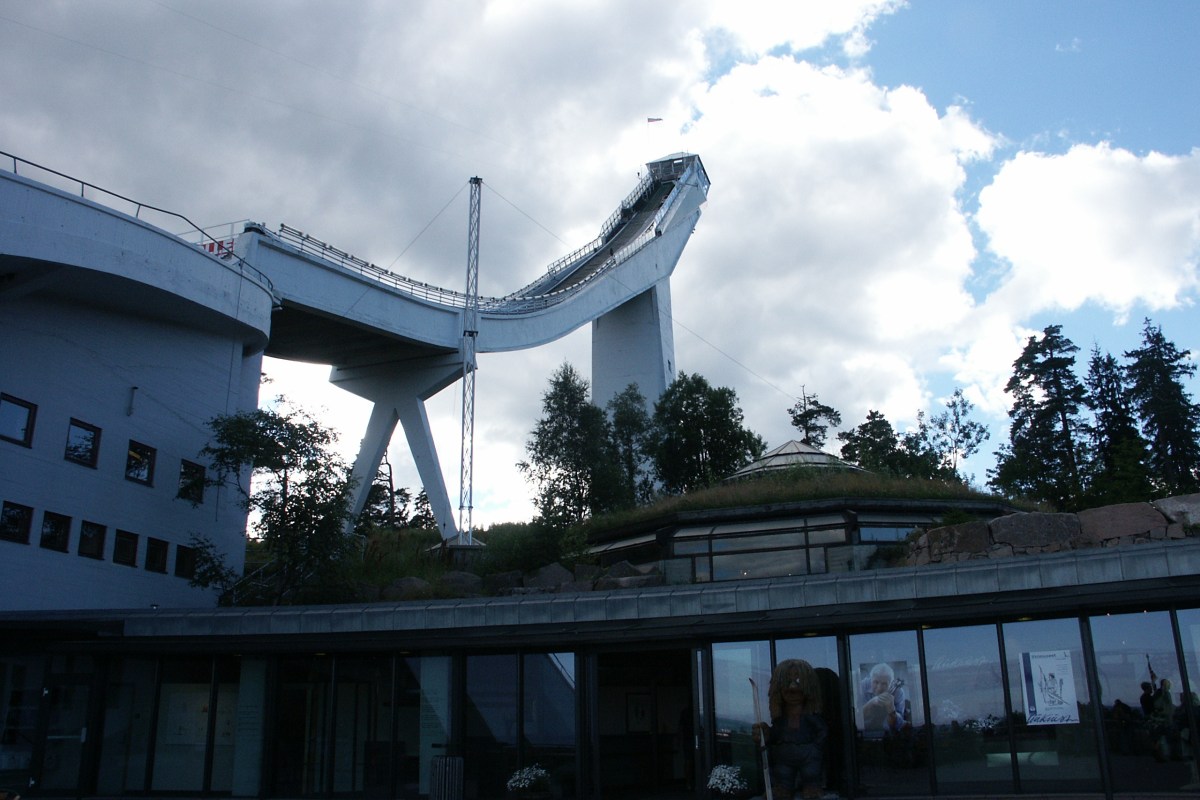
High on the ridge above Oslo, inside the concrete legs of the Holmenkollen ski jump, sits a museum that has been collecting skis since before anyone thought to call skiing a sport. The Ski Museum in Holmenkollen was established in 1923 and is the world's oldest specialised ski museum, its founding collection built around the private holdings of the castle manager and architect Hjalmar Welhaven. Today the galleries trace 5,000 years of skiing history, from Stone Age hunting skis to the polar expedition equipment once carried by Fridtjof Nansen and Roald Amundsen. The museum marked its 100th anniversary in 2023 with a full renovation, including a new foyer and café designed by the architecture firm Snøhetta, whose timber facade is inspired by the grain of old wooden skis. One ticket buys entry to both the museum and the jump tower above it, where the view over Oslo and the fjord has drawn visitors since the Olympic Winter Games of 1952.
Holmenkollen Ski Museum
Sight · Holmenkollen
© OpenStreetMap contributors · OpenFreeMap
- Address
- Kongeveien 5, 0787 Oslo
- Open
- 10.00–16.00 (Oct–Apr); 10.00–17.00 (May–Sep)
- Tickets
- Adult 200 NOK; child (6–17) 100 NOK (Oct 2026)
- Time needed
- 1–2 hours
- Built
- Founded 1923; moved to the ski jump in 1952
- Architect
- Arnstein Friling (1983); Snøhetta (2023 renovation)
- Website
- holmenkollen.com
- Style
- Mountain-set galleries beneath the ski jump
- Collection
- 5,000 years of skis, polar gear from Nansen and Amundsen
- Highlights
- The White Track, Winter Joy, jump tower view, Blåkollen
- Nearest station
- Holmenkollen (Metro Line 1)
5,000 years of Norwegian skiing history beneath the Holmenkollen jump, with the city's finest view from the tower above.
01The story
The museum began life in 1923 in a timber building at Frognerseteren, a couple of kilometres further into the forest, where Hjalmar Welhaven's private collection formed the nucleus of what would grow into a national archive of skiing. Systematic collecting from across Norway followed under the museum's own ski inspection committee, and objects donated by Nansen and Amundsen from their great polar expeditions became some of the collection's most treasured pieces. When Oslo hosted the Winter Olympics in 1952, the museum was moved down to the ski jump itself, and parts of today's café still occupy the original 1952 building.
Further expansions followed the growth of the collection. For the Norwegian Ski Association's 100th anniversary in 1983, the museum gained new premises blasted into the mountain beside the jump; the architect, Arnstein Friling, took his cue from the Temppeliaukio rock church in Helsinki, carving the new galleries directly into the hillside. A second major expansion in 1997 brought a new square, entrance and shop, and the museum's own centenary in 2023 saw Snøhetta design a new foyer, café and a fresh basic exhibition on the oldest skiing and polar history.
02What you see
The permanent displays are arranged as a journey rather than a timeline. The White Track exhibition follows the earliest ski history and recounts the dramatic stories of the great polar expeditions, while Winter Joy charts how skiing evolved from a means of transport into a modern competitive and leisure sport. A smaller exhibition, Weather and Conditions, looks at climate and snow as a kind of barometer for Oslo's changing winters, and Blåkollen gives children their own play world of blue gnomes, fog trolls, slides and caves tucked inside the museum.
Insider tipTake Metro Line 1 to Holmenkollen station, then walk uphill about ten minutes.
The collection itself ranges from rock carvings and skis dating back thousands of years to the kit used by the polar explorers and the equipment of recent Olympic champions, reflecting the museum's role as one of Norway's principal custodians of skiing heritage. A digital museum lets visitors explore parts of the collection online before or after a visit.
Don't miss
Don't miss
- 01
The Nansen and Amundsen polar expedition objects in The White Track exhibition
- 02
The view from the jump tower, included in the museum ticket
- 03
Blåkollen, the children's play world of trolls and caves
- 04
The Snøhetta-designed foyer and café opened for the 2023 centenary
- 05
The Kollensvevet zipline dropping 361 metres down the slope
03The highlights
Beyond the display cases, the main draw for many visitors is the climb up the jump tower itself, reached on the same ticket as the museum, for a view that takes in Oslo, the fjord and the forest of Nordmarka in one sweep. A ski simulator lets visitors feel something of a jumper's descent without leaving the ground, while outside, the Kollensvevet zipline drops riders 361 metres from top to bottom of the slope, a fall of 107 metres, with museum entry bundled into the ticket. The frisbee golf course laid out around the ski arena, with its 18 holes set among the trees, has become one of the most played courses of its kind anywhere.
04Visiting
All tickets include both the Ski Museum and the jump tower. Opening hours run from 10.00 to 16.00 between October and April, extending to 10.00–17.00 from May to September, with shorter hours of 10.00–14.00 on Christmas Eve, New Year's Eve and 17 May. The museum, part of the Skiforeningen (Ski Association), sells tickets both online and at the entrance.
05Getting there
The simplest route from the centre of Oslo is the metro: take Metro Line 1 towards Frognerseteren and get off at the Holmenkollen stop, then follow the signs uphill to the museum and ski jump, a walk of around ten minutes. The museum also has its own free parking for visitors arriving by car.
06Around it
Metro Line 1 continues one stop further to Frognerseteren, the old timber lodge and café where the museum's own story began in 1923, and from there a network of trails spreads into Nordmarka, Oslo's vast forest recreation area. The line itself is part of the attraction: opened as a tram route in 1898, it is the oldest line on the Oslo metro system and climbs in long curves from the city centre into the hills, passing close to the Tryvannstårnet broadcasting tower on its way.