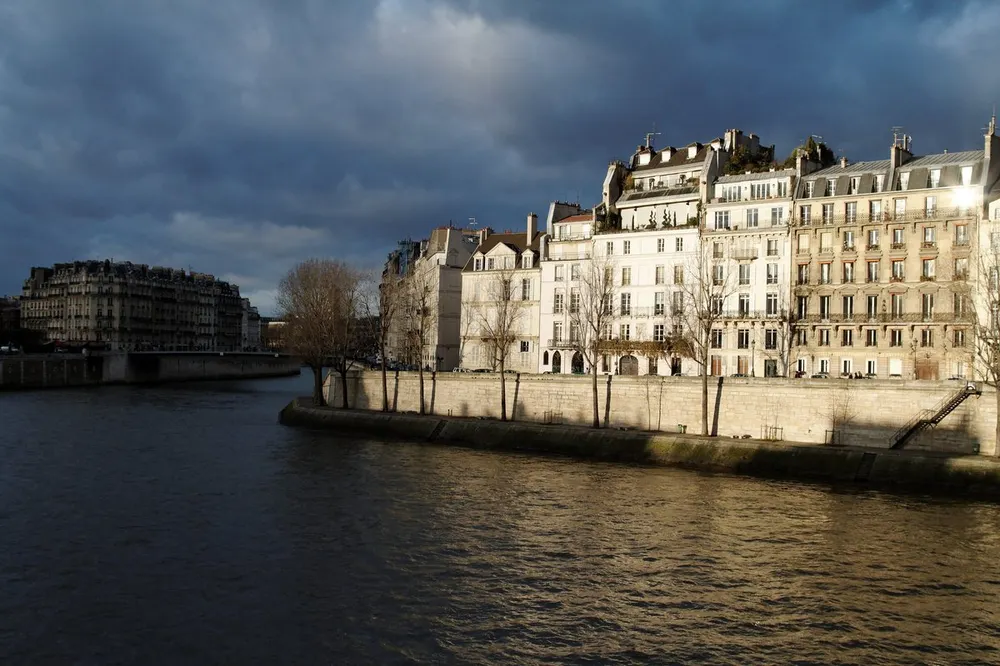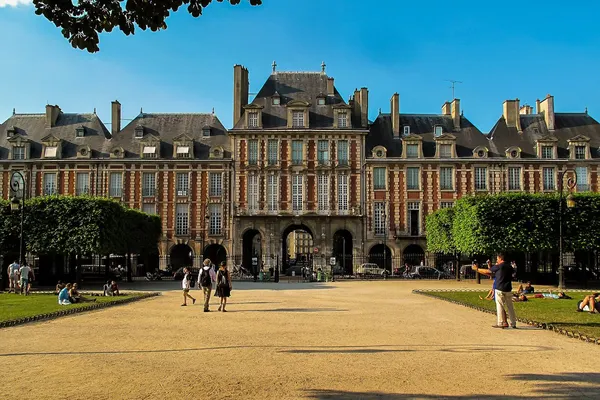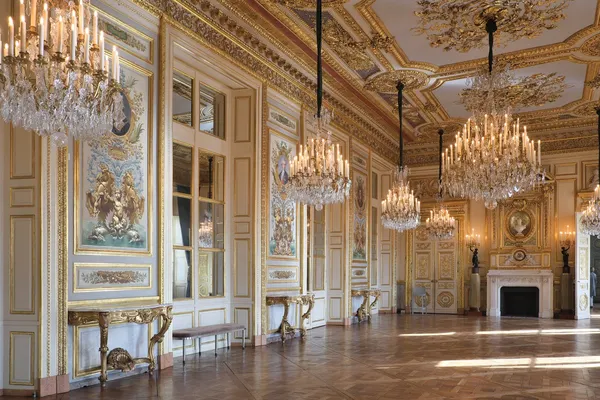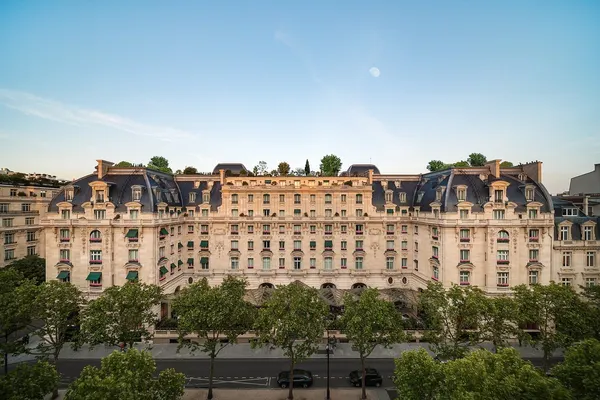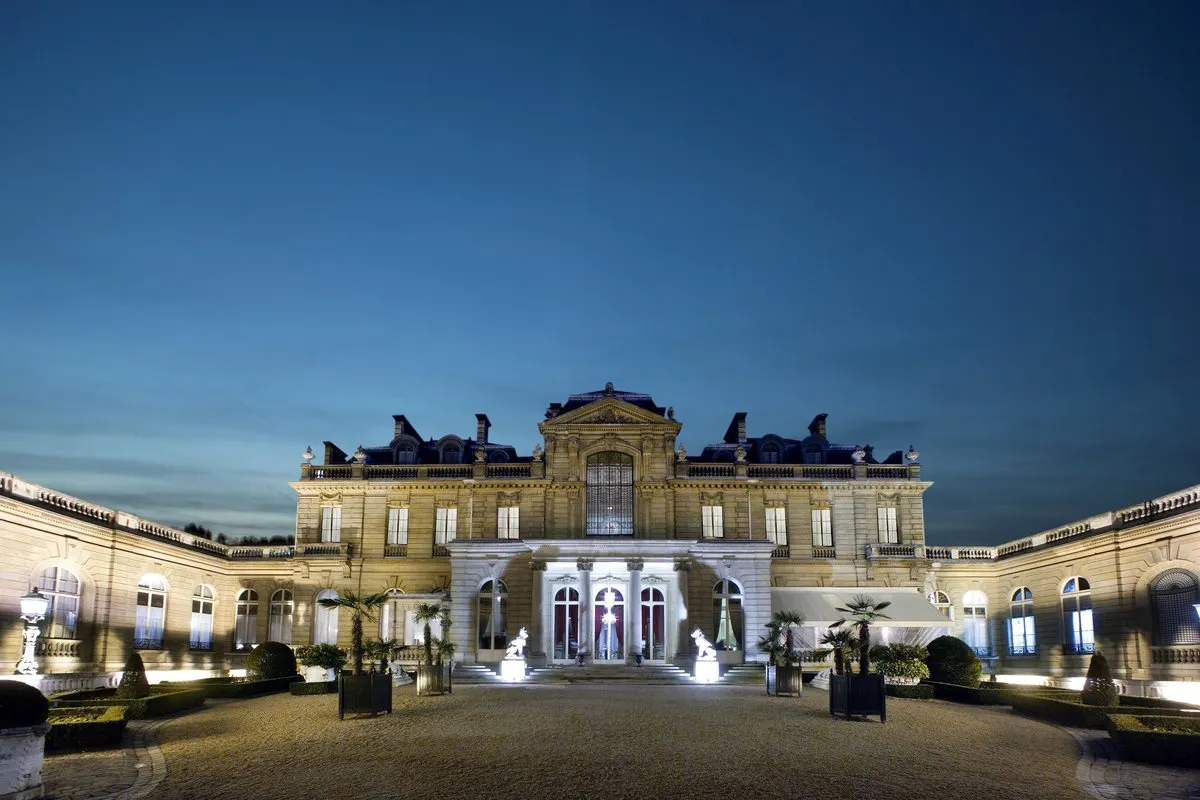
Two city mansions in Paris's 8th arrondissement, two collector families and two museums that feel like homes. Jacquemart-André and Nissim de Camondo are Paris's most personal museums – with two very different fates.
In this story · 5 sections
Paris's great museums impress through their scale. These two do so through intimacy. Musée Jacquemart-André and Musée Nissim de Camondo in Paris's 8th arrondissement are both townhouses that were once home to collectors, and both display the art in the rooms where the families lived. They are a ten-minute walk from each other near Parc Monceau – but their histories could not be more different.
2 places
© OpenStreetMap contributors · OpenFreeMap
- 01Musée Jacquemart-AndréMuseum · 8th arrondissement
- 02Musée Nissim de CamondoMuseum · 8th arrondissement
- Jacquemart-André
- 158 boulevard Haussmann, 75008 Paris
- Palace built
- 1869–1875, architect Henri Parent
- Museum opened
- 1913
- Nissim de Camondo
- 63 rue de Monceau, 75008 Paris
- House built
- 1911–1914, architect René Sergent
- Museum opened
- December 1936
- Camondo right now
- Closed for renovation, reopening expected in 2030
Édouard André and Nélie Jacquemart
Édouard André came from a Protestant banking family and devoted his fortune to art. His townhouse at 158 boulevard Haussmann was designed by the architect Henri Parent and built 1869–1875. He married Nélie Jacquemart, an esteemed portrait painter who had painted his portrait ten years earlier. Every year the couple travelled to Italy and built up one of France's finest collections of Italian art.
When Édouard died in 1894, Nélie finished the Italian museum in the house and continued collecting. According to the couple's plan, she bequeathed the palace and the collection to the Institut de France, and the museum opened to the public in 1913. Since the 1990s it has been run by Culturespaces, and from autumn 2023 Tiepolo's fresco and the staircase's marble and bronze, among other things, were restored over the course of a year.
The winter garden, Florence and Venice
The museum is divided into reception rooms, smaller salons, private apartments and the Italian museum. The winter garden with its double staircase was designed by Henri Parent, who, according to the museum's history, wanted to surpass Charles Garnier and the then new opera house. In the Italian museum there are sculptures by Donatello and Luca della Robbia, a Florentine gallery with Botticelli, Perugino and Paolo Uccello's Saint George and the Dragon, and a Venetian gallery with Mantegna, Bellini and Carpaccio. The collection also includes Rembrandt, van Dyck, Frans Hals, Fragonard, Chardin and Vigée Le Brun.
The house and grounds have featured in films, including Gigi from 1958. The museum also hosts temporary exhibitions and has a tea room.
Moïse de Camondo and a Petit Trianon on Parc Monceau
Moïse de Camondo belonged to a Sephardic banking family who moved from Constantinople to Paris during the Second Empire. He collected almost exclusively French 18th-century works and, between 1911 and 1914, had the architect René Sergent build a new house at 63 rue de Monceau, on the edge of Parc Monceau, modelled on the Petit Trianon at Versailles but with modern conveniences. The garden was designed by the landscape architect Achille Duchêne.
The house was intended for his son Nissim, but he was shot down in an air battle on 5 September 1917, aged 25. In 1924, Moïse decided that the house and the collections would be bequeathed to Les Arts Décoratifs in his memory. He died in 1935, and the museum opened in 1936. The family's history ends in tragedy: his daughter Béatrice, her former husband Léon Reinach and their two children were deported and murdered in Auschwitz.
A home preserved as it was
The Camondo is preserved as though the family still lived there, from the kitchens on the basement level to the private rooms on the first floor. Here you will find furniture by Oeben, Riesener and Georges Jacob, carpets from the Savonnerie woven in 1678 for the Grande Galerie of the Louvre, tapestries from Beauvais and Aubusson, portraits by Vigée Le Brun and the Orloff silver service, commissioned by Catherine the Great in 1770. The Buffon service from Sèvres with bird motifs is one of the house's most celebrated collections.
Important for anyone planning a visit: the museum closed at the end of 2024 for safety and electrical work. When damage to the roof and façades was discovered, the work was extended, and according to the French Wikipedia, the museum is not expected to reopen until 2030. Until then, Jacquemart-André is the place to go – and the façade and Parc Monceau can still be seen from the outside.
An afternoon in the neighbourhood
Start at Jacquemart-André, have tea in the house's salon and then walk north through Parc Monceau past the Camondo façade. The streets around the area can be found on VERA PI's page about the 8th arrondissement. If you want to see another city palace that has become a museum, read our guide to Musée Rodin, and plan the rest of the trip with our 48 hours in Paris.
Musée Jacquemart-André
Italian art on boulevard Haussmann
The André couple's city palace with Botticelli, Uccello and Mantegna.
158 boulevard Haussmann, 75008 Paris
Insider tipMetro: Miromesnil or Saint-Philippe-du-Roule.
Musée Nissim de Camondo
The 18th century at Parc Monceau
Moïse de Camondo's house modelled on the Petit Trianon.
63 rue de Monceau, 75008 Paris
Insider tipClosed for renovation, reopening expected in 2030. Metro: Villiers or Monceau (line 2).