In this story · 5 sections
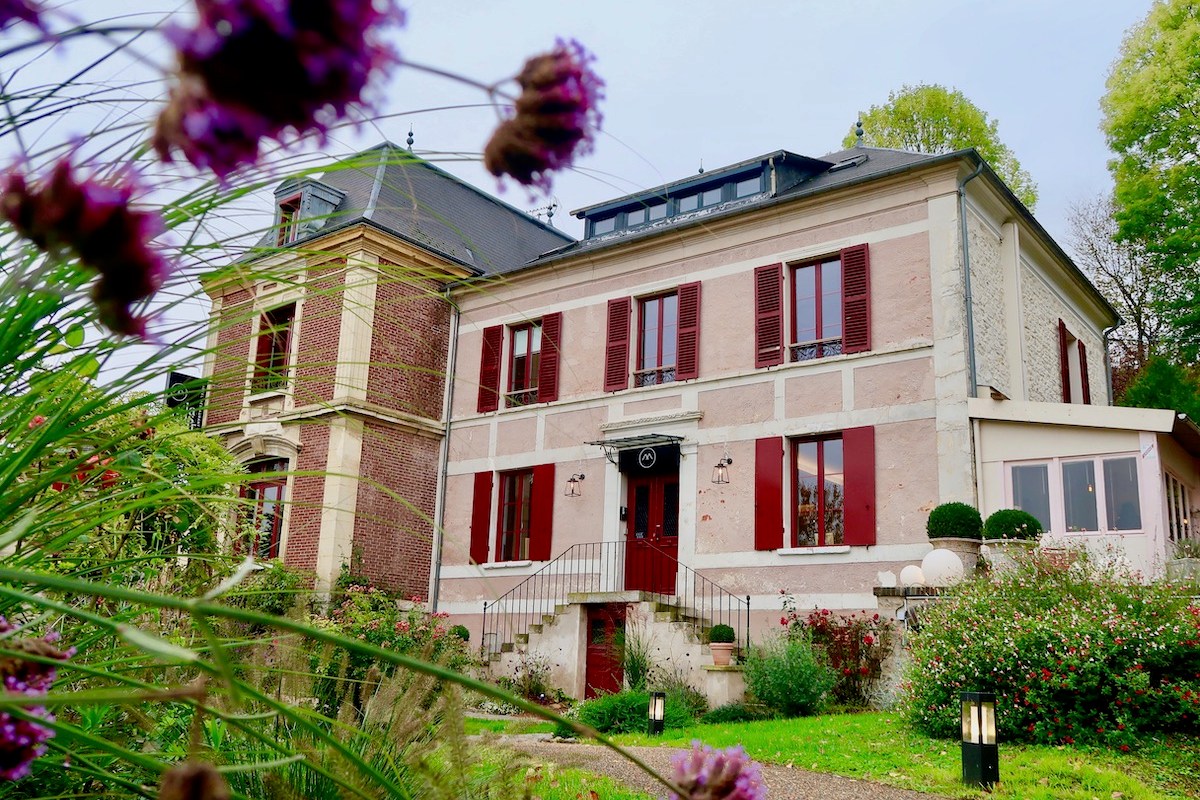
In Giverny, the village Claude Monet made his own, La Musardière occupies a house of character raised in 1880, a few steps from the gates of his garden. It stands 200 metres from the Claude Monet Foundation and a few minutes' walk from the Musée des Impressionnismes, looking onto its own peaceful garden. The building has worn several lives since: the character house was first a rest and convalescent home for ladies and young girls, then transformed into a charming hotel in 1986, before reinventing itself again in 2019. Today it runs two kitchens under one chef, Benjamin Revel: a néobistrot at lunch and, in the evening, the restaurant Révélations. It holds a selection in the MICHELIN Guide, listed under Modern Cuisine in the Special Occasion price bracket — a measure of ambition for a dining room set in the landscape the Impressionists once painted.
La Musardière
Restaurant · Giverny
© OpenStreetMap contributors · OpenFreeMap
- Address
- 123 rue Claude Monet, 27620 Giverny
- Cooking
- Modern Cuisine
- Chef
- Benjamin Revel
- Run by
- Franck Auvray & Sylvain Deprez
- MICHELIN Guide
- Selected in the MICHELIN Guide
- Price
- Special Occasion (€€€)
- Open
- Révélations: nightly Apr–Nov; weekends only in winter
- Setting
- 1880 house, renovated by Atelier Philippe Papy; 70 covers indoors, 65 on the terrace
- Nearest station
- Vernon-Giverny (approx. 6 km, shuttle bus)
- Telephone
- +33 2 32 21 03 18
- Website
- lamusardiere.fr
Two kitchens under one roof in the village Monet made famous: a lunchtime néobistrot and the evening table Révélations, both listed in the MICHELIN Guide.
01The room and the setting
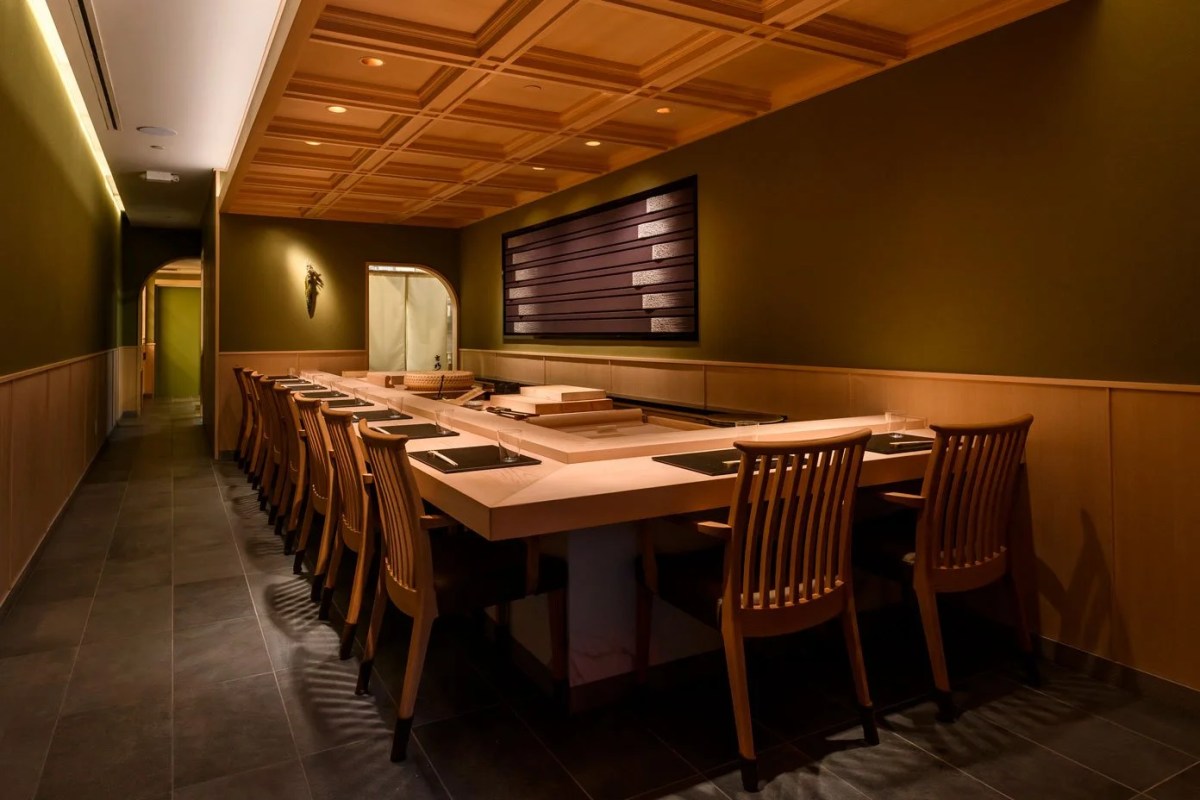
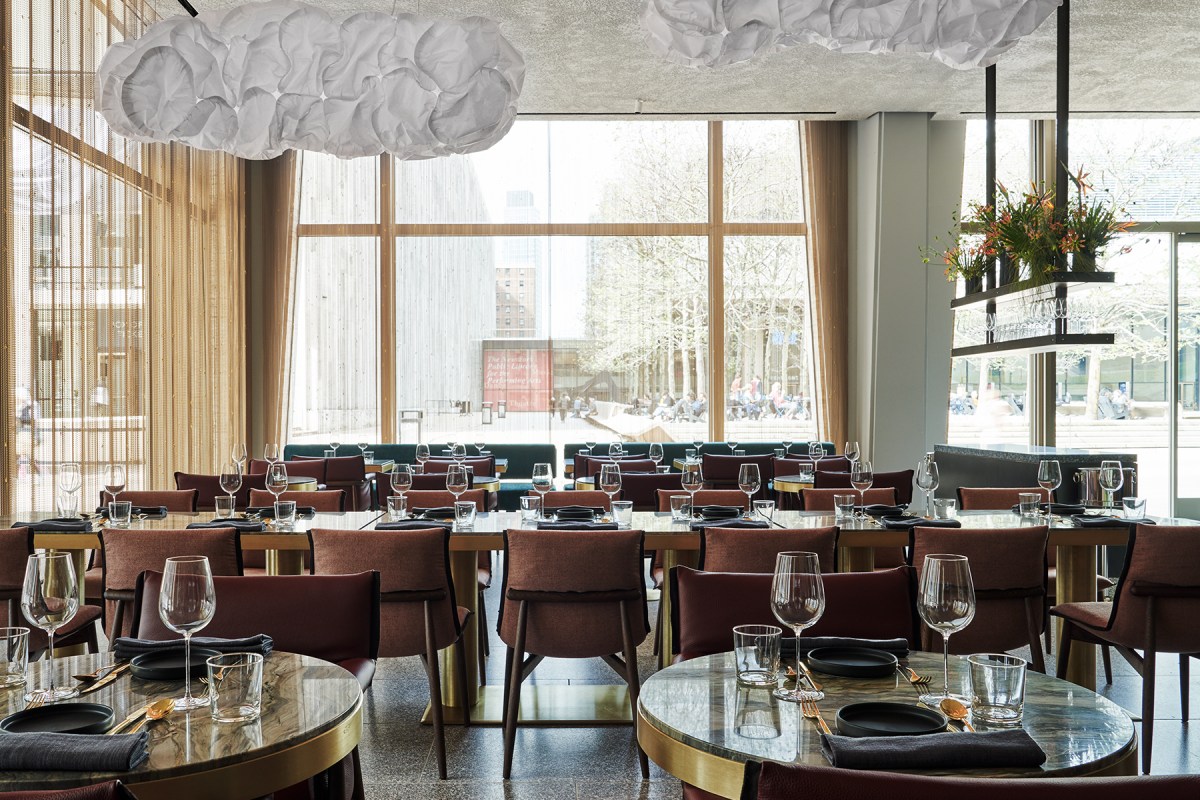
The house's current form is the work of the architects at Atelier Philippe Papy, who revisited the building's setting entirely for the 2019 relaunch, giving the dining rooms and the eleven guest rooms, bathed in light, a calmer, more contemporary register without erasing the nineteenth-century bones.
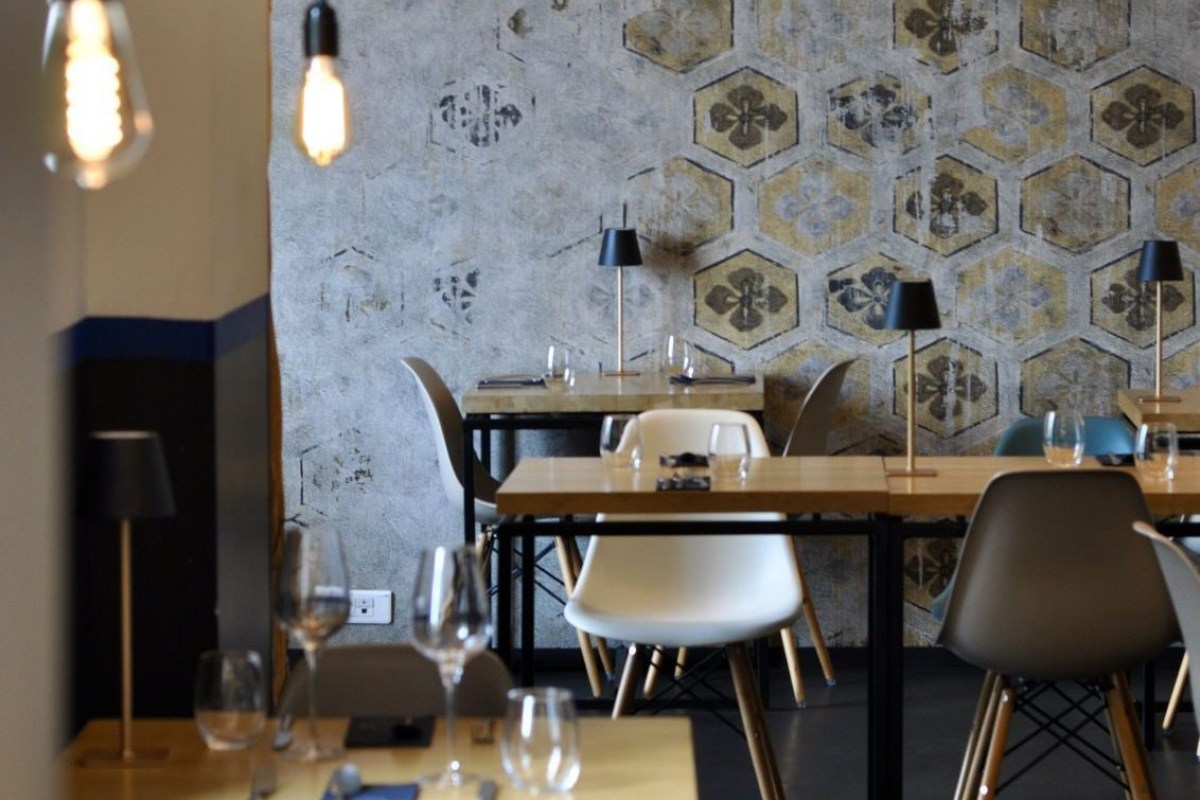
The restaurant itself is made up of four rooms that together can seat up to seventy guests, alongside a large sunny terrace that adds a further sixty-five covers in fine weather. When the evening light softens over the garden, that terrace becomes the natural stage for Révélations, tables spilling into the kind of hour that first drew American painters to this stretch of the Seine valley.
02The chef
Benjamin Revel was twenty-four when he took over the stoves in 2019, already carrying more road behind him than his age suggested. Born in Vernon, he trained the classic way at the Lycée hôtelier Georges Baptiste in Rouen, passing a vocational baccalauréat, a BTS and a pastry qualification, before working seasons in Corsica and Haute-Savoie.
Insider tipLunch menu from 35€, evening menu to 49€; Révélations opens nightly April–November, weekends only in winter.
He then left with his partner Susie for six months in South America, mainly Peru, before a year in Australia and New Zealand — a detour that still shapes the way he reads a plate. Trained among disciples of Escoffier and shaped by his travels through Australia, Peru and Portugal, Revel now runs a kitchen built on seasonal produce, short supply chains and sourcing from local producers, farmers and fishermen.
03The cooking
The style stays close to the ground. The card changes constantly, with new dishes appearing week to week according to what the producers bring in, and Revel holds to one simple rule: he works with very local produce, at minimum of French origin, and if he cannot find something in France, he does not cook it.
He describes the kitchen itself as a shared project rather than a strict hierarchy — a respectful style of management in which he wants every member of the brigade to grow, calling his cooking collective and participative. By day that translates into the generous, terroir-driven lunches of the Néobistrot Le M; by night, under the name Révélations, the same Norman ingredients are dressed for a more considered evening at the table.
04What to order
On the Révélations à la carte, read in October 2026, the kitchen opens with Les Figues — fresh and roasted figs with a Breton shortbread and a crème fraîche mousse — or croquettes of Camembert with a pepper-and-onion confit. Among the mains, a petit épeautre risotto with mushrooms and a perfectly cooked egg sits alongside Le Retour de pêche, the day's fish in a citrus crust with citrus beurre blanc.
The kitchen's set piece is a thick-cut pork chop from La Ferme de la Sente aux Ânes, served solo or for two with pommes grenaille, while desserts run from a blond-chocolate millefeuille with pear textures and a pear-eau-de-vie ice cream to a coconut rice pudding finished with a miso-plum confit. The cheese course turns to the Fromagers du Mesnil, a short drive along the Normandy back roads. At midday, the Néobistrot Le M keeps things lighter, built around the market of the day.
Don't miss
Don't miss
- 01
Les Figues — fresh and roasted figs, Breton shortbread, crème fraîche mousse
- 02
The pork chop from La Ferme de la Sente aux Ânes, served solo or for two
- 03
Norman cheeses from Les Fromagers du Mesnil
- 04
The petit épeautre risotto with mushrooms and a perfect egg
- 05
Evening light on the terrace during Révélations service
05The neighbourhood
Claude Monet settled in Giverny in 1883, and from 1885 until the First World War the village hosted an art colony that made it one of the birthplaces of American Impressionism, among them painters such as Theodore Robinson or Dennis Miller Bunker. The painters' old haunt, the Hôtel Baudy, was a centre of artistic life in Giverny's heyday and is now still a café and restaurant, with period decoration.
The Musée des Impressionnismes Giverny carries that story into the twentieth century and beyond, and from La Musardière's terrace it is a walk of minutes to the water-lily pond and the Japanese bridge that Monet painted for the last three decades of his life.