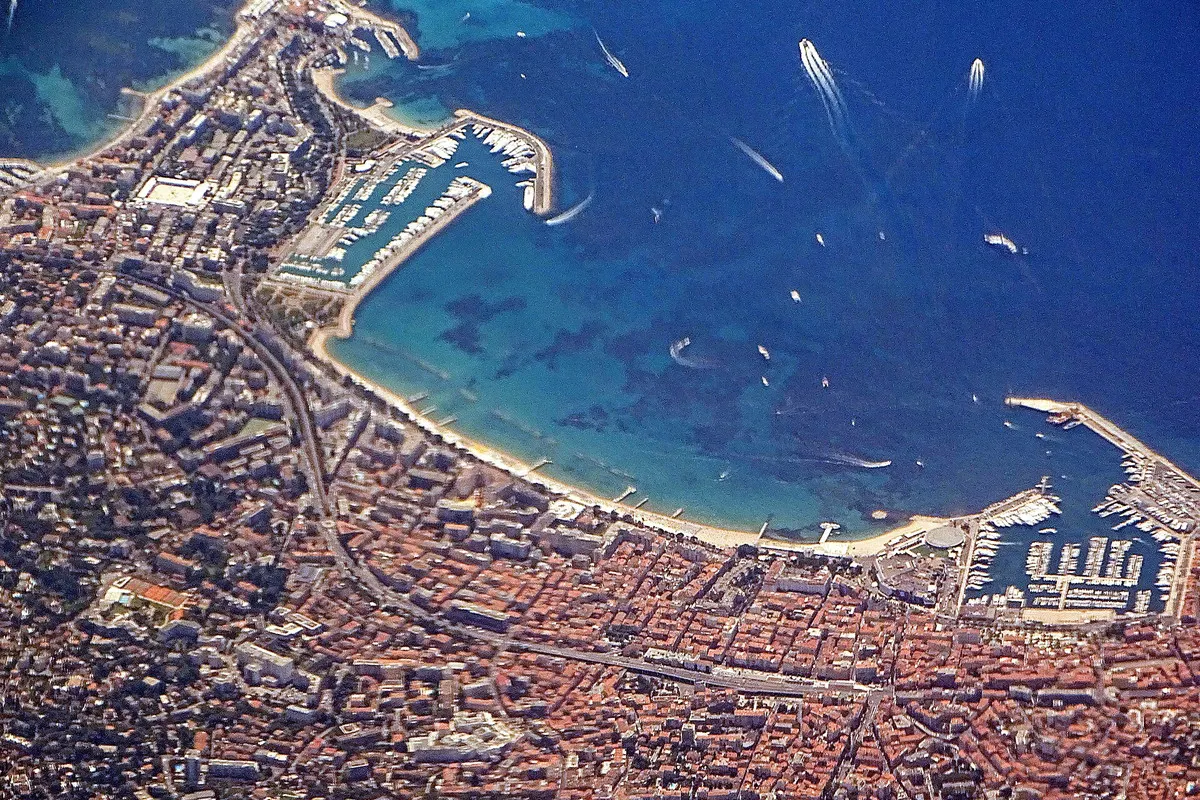
Behind the Croisette lies a working town of hills, villas, beaches and neighbourhoods with their own markets, schools and cinemas. For anyone thinking of moving here, or staying longer, this is how Cannes divides up – and what daily life offers beyond May.
In this story · 4 sections
Visitors see one Cannes: the Croisette, the palaces and the Palais des Festivals. Residents know another – a town of hills and valleys, villas and apartment blocks, with neighbourhood markets, schools, cinemas and a coastline that runs for fifteen kilometres from La Bocca in the west to the Pointe Croisette in the east.
For anyone thinking of moving here, or staying for a season, this is how the town divides up, and what everyday life offers once the festival crowds have gone home.
Hôtel de Ville de Cannes
Town hall · Le Suquet, Cannes
© OpenStreetMap contributors · OpenFreeMap
- Address
- Place Bernard-Cornut-Gentille, 06400 Cannes
- Bocca Nord and Bocca Sud
- The western district: homes, business parks and beaches; postcode 06150
- La Croix-des-Gardes
- The old English quarter of villas on the western hill
- Riou–Petit Juas–Avenue de Grasse
- Largely residential, north of the centre
- Carnot and Prado–République
- Dense quarters north and north-east of the centre
- Californie–Pezou
- Villas on the eastern hill, up to 260 metres
- Pointe Croisette
- Residential peninsula with Port Canto and Palm Beach
- Centre–Croisette
- Shops, palace hotels and the Palais des Festivals
- Suquet–Îles de Lérins
- The old town on its hill, and the islands in the bay
The town hall of 1876 by Louis Hourlier, facing the Vieux Port at the meeting point of Le Suquet, the centre and the Croisette.
01Ten quarters
Administratively, Cannes is cut into ten large quarters that do not quite follow the historic ones: Bocca Nord and Bocca Sud, La Croix-des-Gardes, Riou–Petit Juas–Avenue de Grasse, Carnot, Prado–République, Californie–Pezou, Pointe Croisette, Centre–Croisette and Suquet–Îles de Lérins. The last makes Cannes one of the few French towns with an island quarter.
The town grew outwards from Le Suquet, the hill where it began. At its foot developed the town centre and the Croisette, with its palaces, marinas and festival palace. To the north came the largely residential quarters of Saint-Nicolas, Petit-Juas, La Peyrière and Les Vallergues. To the east spreads La Californie, with Les Gabres, Château Saint-Michel, Palm Beach and Super-Cannes, the last shared with Vallauris.
To the west, between La Croix-des-Gardes and the sea, lie the Vallon Provençal, Pierre-Longue and Font-de-Veyre, and beyond them the town's second great district, La Bocca: La Frayère and Estérel-Côte d'Azur to the north, Saint-Joseph in the centre, Saint-Cassien to the west, and business parks at La Roubine, Le Béal, Les Tourrades and La Frayère. In the far north-west, Ranguin and L'Abadie are shared with Le Cannet and La Roquette-sur-Siagne.
02The hills and the old colonies
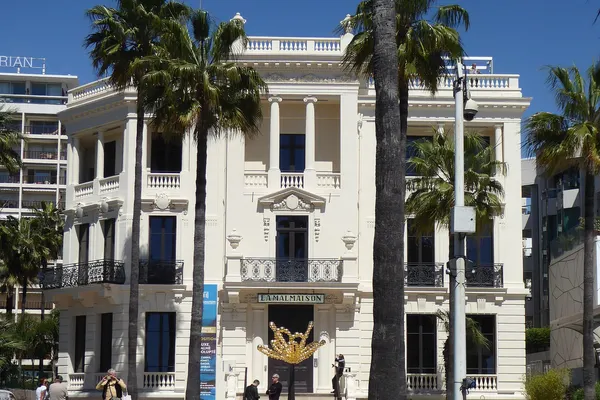
The most sought-after addresses are on the two hills that frame the centre. La Californie, to the east, was the Russian colony's “little Russia” in the nineteenth century, and La Croix-des-Gardes, to the west, the British “English quarter”; both are still largely villas in wooded grounds. The Pointe Croisette, a residential peninsula facing the Lérins, adds a marina and a quieter seafront.
Insider tipThe municipal services and the mayor's office are here; the Vieux Port and the market are a short walk away.
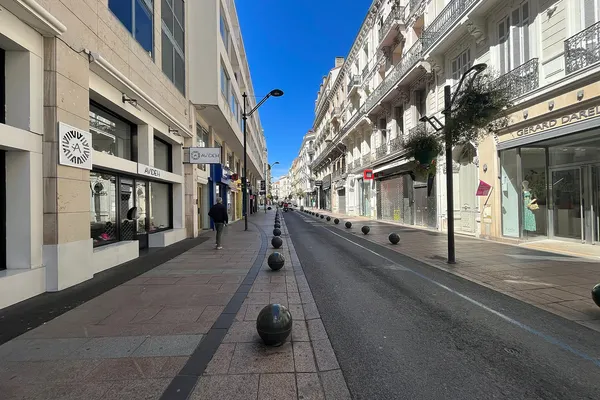
In the centre, apartments in the streets behind the Croisette put shops, the market and the station on the doorstep. Under the national urban policy, the large housing estates of the Colline des Puits, Prado–République and Carnot are priority areas for urban renewal.
03Beaches for residents
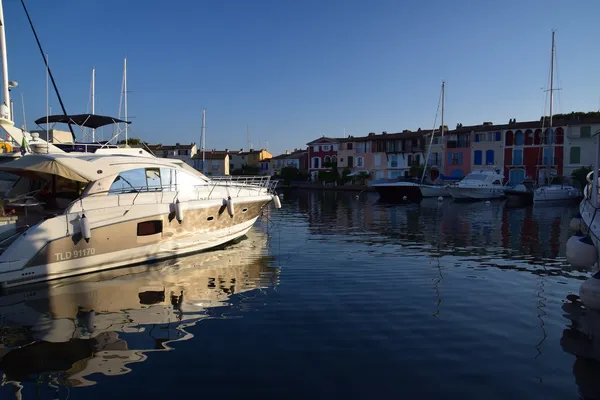
Of the fifteen kilometres of coastline, 7.6 kilometres are beach: 13 public beaches, one run directly by the town and 33 under concession to private beach clubs. From west to east they run from the beaches of La Bocca and the boulevard du Midi below Le Suquet, past the Palais and the public Macé and Zamenhof beaches on the Croisette, to Bijou-Plage, the Pointe Croisette, Gazagnaire and the Mouré Rouge.
In 2018 the Croisette beaches were widened by a 40-metre strip won from the sea, doubling their area from 6,000 to 12,000 square metres, as part of a long programme to renew the private beaches, pavements and cycle path between the Palais and the Martinez.
04Culture beyond the festival
Cannes's professional festivals give residents a share of the screenings, but the town's cultural life runs all year. The Médiathèque Noailles in the Villa Rothschild is the main library, with branches including Ranguin and a mobile library that tours the quarters. Three cinemas – Les Arcades (three screens), Le Star (four) and the Olympia (nine) – are all classified as art-house cinemas. The Orchestre National de Cannes plays at the Auditorium des Arlucs, the Théâtre Alexandre III has 176 seats, and the conservatory occupies the old Château de Font-de-Veyre.
For sport there are the 4,000-seat Palais des Victoires and the Stade Pierre-de-Coubertin, with stands for more than 12,000, eleven boulodromes for pétanque and two nautical centres, at Le Batéguier and the Mouré Rouge. In La Bocca, a large museum of the history of cinema is under construction, with completion announced for 2028.
Fact file
Cannes in figures
- Coastline
- 15 km, of which 7.6 km beaches
- Beaches
- 13 public, 1 run by the town, 33 under concession
- Postcodes
- 06400; 06150 for La Bocca
- Distance to Nice
- 27 km
- Cinemas
- Les Arcades, Le Star, Olympia – 16 screens in all
- Largest venues
- Stade Pierre-de-Coubertin (12,000+), Palais des Victoires (4,000)