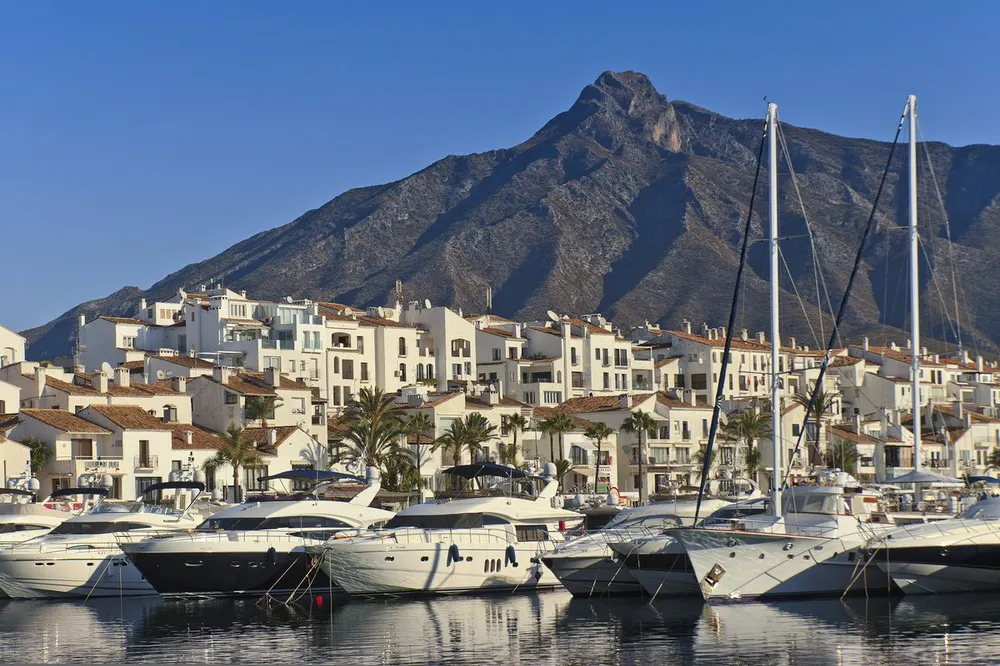
Behind the yachts and beach clubs, Marbella keeps a small Andalusian old town of whitewashed lanes, Moorish walls and a Renaissance square planted with orange trees. A guide to the Casco Antiguo, and how to enjoy it at its best.
In this story · 5 sections
Marbella is known for its marina, its beach clubs and its villas on the hills. Yet the city on the Costa del Sol, set between Málaga and the Strait of Gibraltar in the foothills of the Sierra Blanca, has a much older heart. A few streets back from the sea, the Casco Antiguo is a compact Andalusian old town of whitewashed houses, wrought-iron balconies and geraniums in pots, threaded with lanes too narrow for cars. It is the place to see the Marbella that existed long before the jet set arrived.
Plaza de los Naranjos
Square · Casco Antiguo
© OpenStreetMap contributors · OpenFreeMap
- Address
- Plaza de los Naranjos, 29601 Marbella
- Region
- Province of Málaga, Andalusia
- Population
- About 156,000 (2023)
- Coastline
- 44 km within the municipality
- Old town highlights
- Plaza de los Naranjos, Ermita de Santiago, Encarnación
- Backdrop
- Sierra Blanca and La Concha, 1,215 m
An orange-tree square framed by the 1568 town hall, the Casa del Corregidor and the Ermita de Santiago.
01Romans, Moors and Castilians
There was a Roman settlement here: three Ionic capitals, reused from an earlier building, are embedded in the walls of the old Moorish castle. Under Muslim rule the town was fortified with a citadel, the Alcazaba, and a defensive wall around a maze of small houses with patios. After the Christian conquest at the end of the fifteenth century, the new rulers imposed a Castilian plan on the centre, opening up a square in the Renaissance manner. Fragments of the Moorish walls survive, and following them is a good way to understand the shape of the old town.
02Plaza de los Naranjos
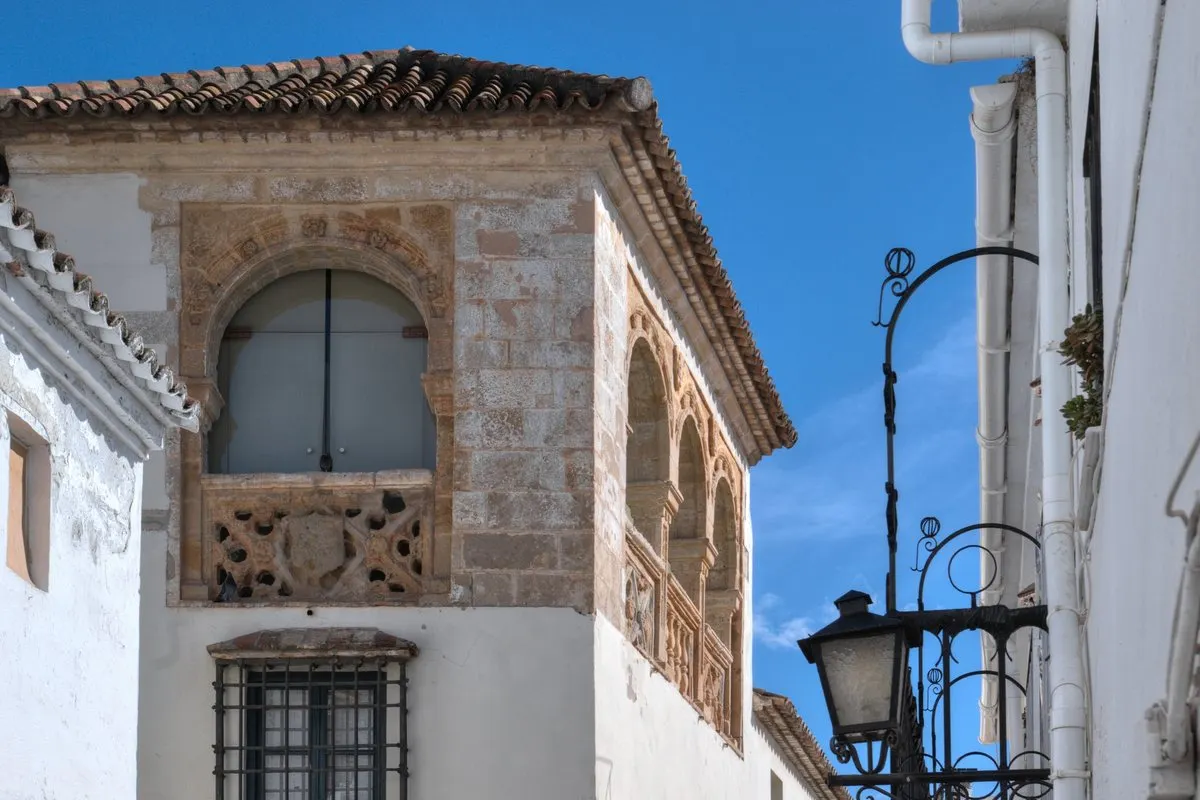
Everything leads to the Plaza de los Naranjos, the Square of the Orange Trees, an example of Castilian Renaissance design laid out in the heart of the old town. Three buildings frame it. The town hall dates from 1568. The Casa del Corregidor, the old mayor's house, combines Gothic and Renaissance elements on its stone façade, under a roof in the Mudéjar style. And the small Ermita de Santiago, the oldest religious building in Marbella, is believed to date from the fifteenth century; it predates the square and stands at a slight angle to it.
Insider tipBest early in the morning, before the terraces fill.
The square is lined with café terraces, and in the early morning, before the day-trippers arrive, it is a lovely place for coffee and toast with tomato and olive oil beneath the orange trees. In spring the blossom scents the whole quarter.
03The church of the Encarnación and the lanes beyond
A short walk away, the church of Santa María de la Encarnación was begun in 1618 in the Baroque style, with an elaborate stone portal facing a small square. Around it, the lanes of the old town reward aimless wandering: tiled shrines set into walls, tiny chapels, artisan shops and courtyards glimpsed through iron gates. The barrio alto, to the north, is quieter still.
Look out too for the Museo del Grabado Español, a museum of Spanish printmaking in a historic building in the old town, with works by artists including Picasso, Miró and Dalí.
04Down to the sea: the Alameda and Avenida del Mar
From the old town, the shaded Alameda park leads south to the Avenida del Mar, a marble promenade lined with bronze sculptures by Salvador Dalí that runs down to the seafront. From there the paseo marítimo, the long seaside promenade, stretches in both directions. Walk west at sunset and you will see why people fell for this coast in the first place, with La Concha mountain, 1,215 metres high, glowing above the town.
05Eating in the old town
The old town is full of restaurants, from tapas bars to courtyard dining rooms. Avoid the menus with photographs on the main square and wander a street or two away for better cooking. Andalusian classics such as fried fish, salmorejo and grilled sardines are what the region does best, and dinner in Spain starts late, rarely before nine.
For more of Spain, explore the Metro Mode destinations and our travel section in English. Thinking of staying longer? Read our report on why Swedes are buying everyday homes in Spain (in Swedish).