In this story · 7 sections
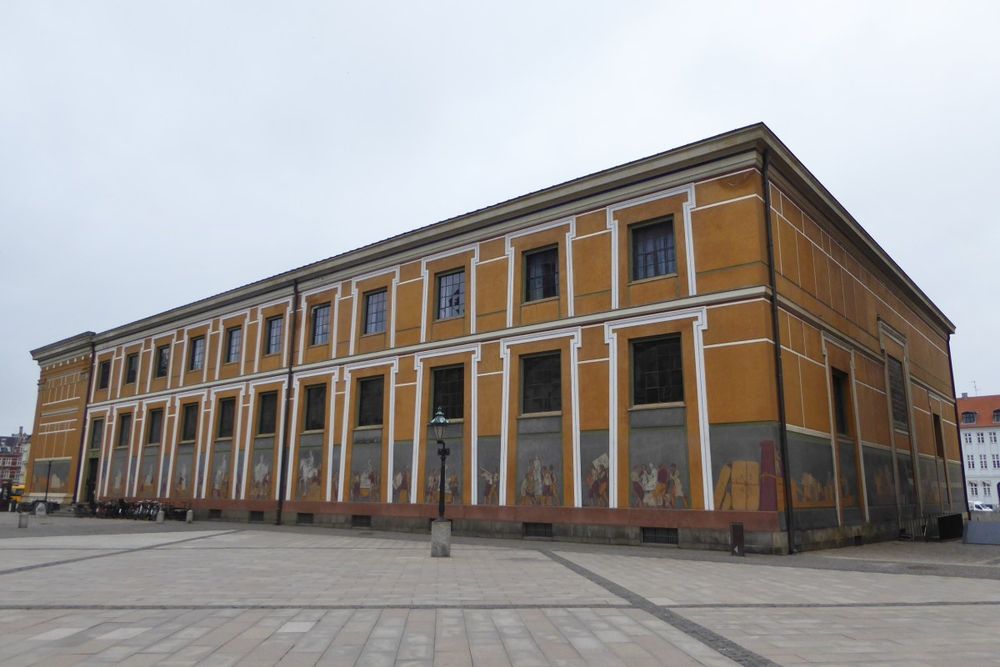
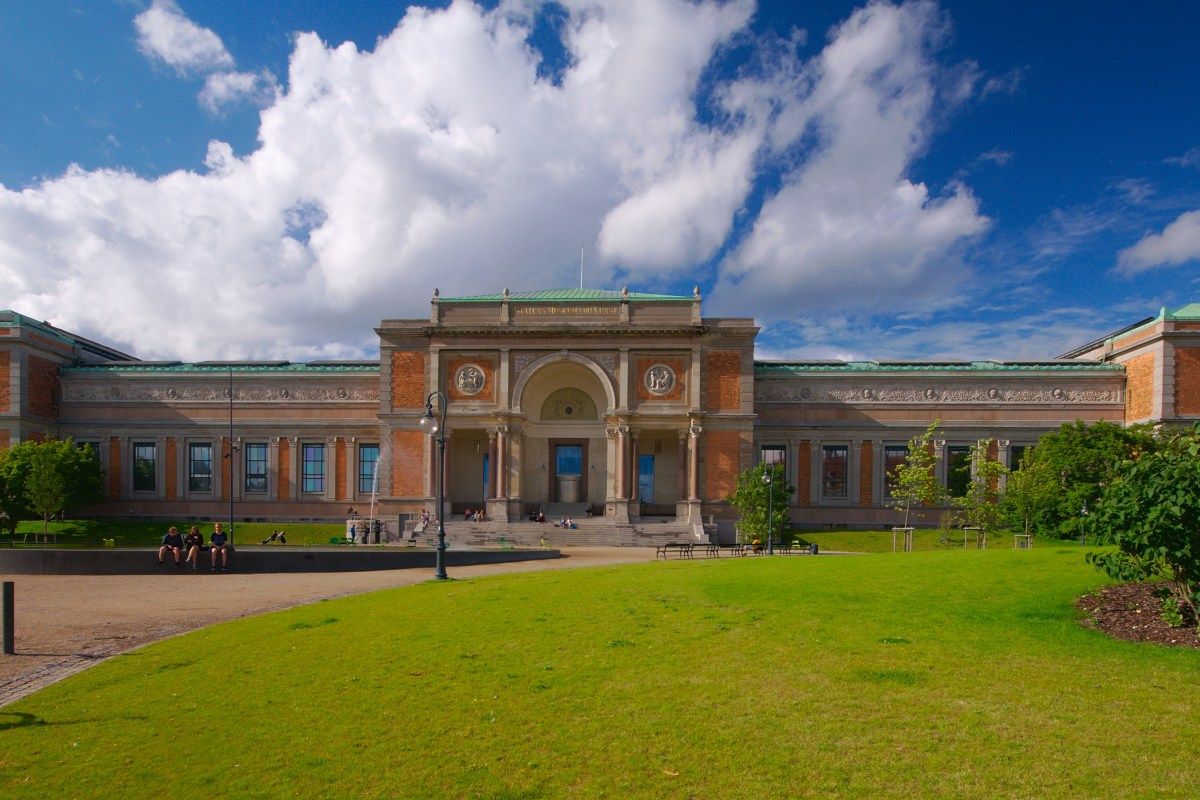
On the edge of Østre Anlæg park in central Copenhagen stands the Statens Museum for Kunst – SMK – the Danish national gallery and the country's largest collection of visual art, holding Danish and foreign works dating from the fourteenth century to the present day. The present building opened in 1896, designed by Vilhelm Dahlerup, the architect also behind the Hotel d'Angleterre and the Queen Louise Bridge. It gave permanent public form to a collection whose roots reach back centuries: in 1521 Albrecht Dürer noted in his diary that he had given the Danish king his finest prints, and by 1843 the former royal holdings were finally opened to public view, before moving into Dahlerup's new galleries together with the Royal Collection of Paintings and the Royal Cast Collection. Today the museum is best known for one of the finest Matisse collections outside France and for the Danish Golden Age.
Statens Museum for Kunst
Sight · Indre By / Østre Anlæg
© OpenStreetMap contributors · OpenFreeMap
- Address
- Sølvgade 48–50, 1307 Copenhagen K
- Open
- Tue–Sun 10:00–18:00, Wed to 20:00, closed Mon
- Tickets
- 140 DKK adults, 95 DKK under 27, free under 18
- Time needed
- 2–3 hours, half a day for everything
- Built
- 1896, extended 1970 and 1998
- Architect
- Vilhelm Dahlerup; extension by Anna Maria Indrio
- Website
- smk.dk
- Style
- Historicist 1896 building with 1998 modern wing
- Collection
- Danish and foreign art, 14th century to today
- Highlights
- Matisse, Hammershøi, Mantegna, Cranach, Royal Cast Collection
- Visitors
- 334,919
- Nearest station
- Nørreport (approx. 10-minute walk)
Home to one of Europe's finest Matisse collections and the Danish Golden Age masters.
01The story
The building was short of space from the very beginning, and the museum has been adapting ever since. In 1970 the roofing of two atrium wells in the middle of the museum increased the amount of floor space available for exhibitions, an expansion carried out by architect Niels Koppel. Nearly three decades later, in 1998, a glass-and-stone wing designed by Anna Maria Indrio was opened to the rear, finally giving the growing modern and contemporary holdings room to breathe.
A private donation transformed the museum's French holdings. Johannes Rump was an engineer and member of the Copenhagen City Council from 1903 to 1932, and collecting art was a huge thing for him. He managed to find early works by André Derain, Georges Braque, and Henri Matisse, which he included in a large donation to the museum in 1928, laying the foundation for what is now one of the most important Matisse collections in Europe.
02What you see
SMK is really two buildings in conversation with each other. Vilhelm Dahlerup's historicist building from 1896 meets Anna Maria Indrio's modern extension from 1998, and the two parts are elegantly and playfully connected by the high-ceilinged Sculpture Street, which offers skylights and views of the open skies as well as of the Østre Anlæg park that surrounds the museum. Inside the old building, visitors step into a double-height entrance hall with a staircase that seems to hang in the air, the formal overture to a sequence of top-lit galleries.
Insider tipClosed Mondays; Wednesdays open until 20:00; under-18s always free.
Walk the length of Sculpture Street and you pass a cluster of Isamu Noguchi lamps standing among classical and modern sculpture, a deliberately playful note in an otherwise grand architectural promenade. Behind the glass, the modern wing's long, white galleries carry the twentieth- and twenty-first-century collection, while the old building upstairs is given over chronologically to the European old masters and the Danish Golden Age.
Don't miss
Don't miss
- 01
Matisse's Portrait of Madame Matisse. The Green Line (1905)
- 02
The Royal Cast Collection in the annexe Vestindisk Pakhus
- 03
Sculpture Street, with its cluster of Isamu Noguchi lamps
- 04
Vilhelm Hammershøi's Amalienborg Square (1896)
- 05
Mantegna's Christ as the Suffering Redeemer and Cranach's Melancholia
03The highlights
Henri Matisse's Portrait of Madame Matisse. The Green Line, painted in 1905 and depicting his wife Amélie, is a masterpiece of twentieth-century portraiture and one of SMK's principal highlights. The green line dividing the face into two halves, a cold one and a warm one, creates a plane-like, mask-like effect that pulls the picture away from naturalism and towards something closer to an inner experience of the sitter.
Among the European old masters, look for Andrea Mantegna's Christ as the Suffering Redeemer and Lucas Cranach the Elder's Melancholia, alongside works by Rembrandt, Rubens and Goya that trace the evolution of painting from the Renaissance into the Dutch and Flemish Golden Age. Danish visitors in particular head for Vilhelm Hammershøi's hazy, sunlit views of Amalienborg Square, painted in 1896 and typical of the muted interiors and squares for which he remains best known.
Beyond the paintings, the museum's Royal Cast Collection, held in the annexe Vestindisk Pakhus, keeps casts of sculpture from antiquity through to the Renaissance: Egyptian kings and mythical beasts, Greek gods, Roman emperors and scenes of battle and sacrifice, testifying to beauty, drama and the history of thought from as far back as 2500 BC up until 1600 – four thousand years of sculpture under one roof.
04Visiting
As confirmed in October 2026, SMK is open Tuesday to Sunday from 10:00 to 18:00, with extended hours until 20:00 on Wednesdays, and is closed on Mondays and on 24, 25 and 31 December and 1 January. Admission for adults is 140 DKK, 95 DKK for visitors aged 18 to 27, and free for under-18s; the museum sits at Sølvgade 48–50, 1307 Copenhagen K, by the edge of Østre Anlæg park.
05Getting there
The nearest station is Nørreport, about a ten-minute walk away, with Østerport station also within reach; buses stop close by at Georg Brandes Plads, Parkmuseerne. Allow two to three hours for the highlights, or half a day to see the museum properly.
06Around it
The Copenhagen Card covers SMK admission and pairs well with a day that includes Rosenborg Castle and the Botanical Garden next door. A Parkmuseerne combi-ticket, valid for a year, covers several museums in the area including Rosenborg, making it easy to combine a morning among Matisse and the Danish Golden Age with an afternoon among crown jewels or glasshouses nearby.
07Making the most of a visit
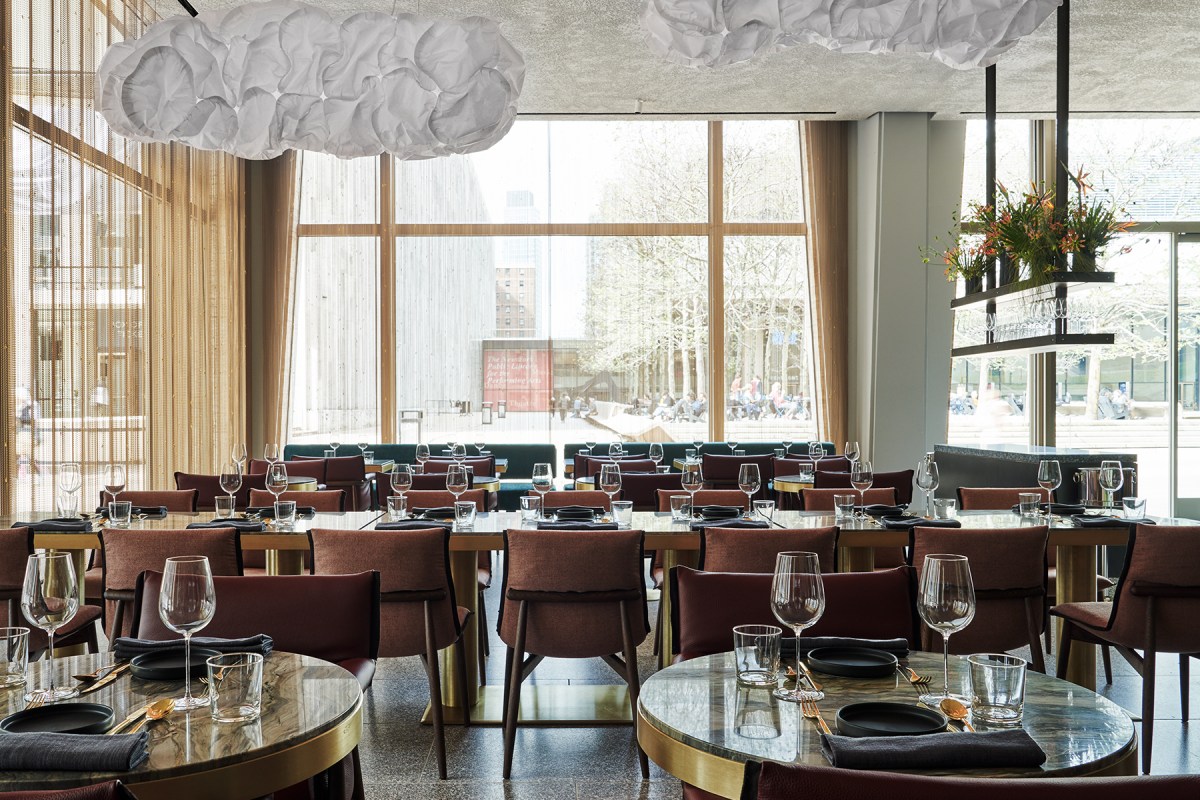
Arrive at opening and head straight for the old masters or the French modernism galleries first: school groups tend to arrive mid-morning, so those rooms are largely quiet for the first forty-five minutes. Wednesday evenings after 18:00, when the museum stays open until 20:00, are the quietest period of the week. Break for lunch at Magnolia, the museum's café, which serves sourdough rolls and freshly brewed coffee alongside seasonal savoury lunch dishes and homemade cakes and croissants from its own microbakery.