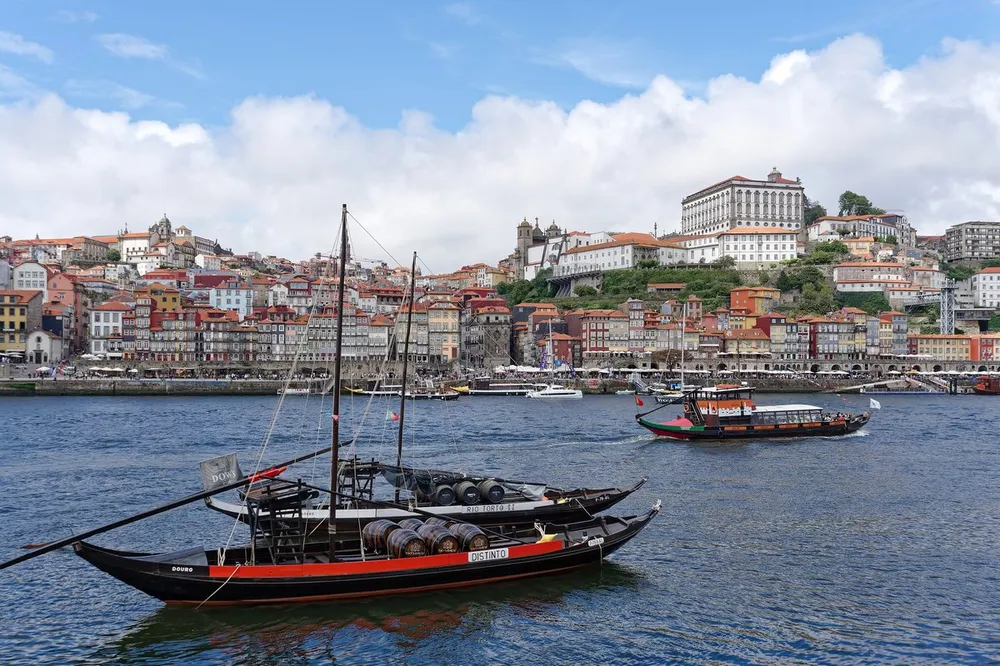
Across the Douro from Porto, the hillside of Gaia is lined with the lodges where port has aged for centuries in oak. What to know about the wine before you go, which lodges to visit, and how to end the day with the best view of Porto.
In this story · 5 sections
Stand on the Ribeira quays in Porto and look across the river: the hillside opposite is lined with long, low warehouses topped with the names of famous houses. This is Vila Nova de Gaia, a city in its own right and, for centuries, the home of port. The grapes are grown far up the Douro Valley, but the wine has traditionally been brought down to Gaia to age in the cool, damp cellars known locally as caves. Visiting them, with a tasting at the end, is one of the great pleasures of a trip to Porto.
Caves Cálem
Port wine lodge · Vila Nova de Gaia
© OpenStreetMap contributors · OpenFreeMap
- Address
- Avenida Diogo Leête 344, 4400-111 Vila Nova de Gaia
- Where
- South bank of the Douro, opposite Porto
- Alcohol
- About 19–22% by volume
- Main styles
- Ruby, tawny, vintage, colheita, white
- Historic houses
- Taylor's, Ferreira, Sandeman, Graham's, Cálem
- Viewpoint
- Serra do Pilar monastery terrace
A port house founded in 1859, with cellar tours and tastings steps from the lower deck of the Dom Luís I Bridge.
01A wine made for the English
Port is a fortified wine: fermentation is stopped early by adding a neutral grape spirit, which preserves natural sweetness and lifts the alcohol to around 19 to 22 per cent. Its history is entwined with England. In 1678, so the story goes, two representatives of a Liverpool wine merchant were served a sweet, fortified wine by the Abbot of Lamego in the Douro and bought his entire stock. After the Methuen Treaty of 1703 lowered duties on Portuguese wine, port became a staple of English tables, and British merchant families founded many of the houses whose names still line the Gaia waterfront.
02Ruby, tawny, vintage: the styles explained
A little knowledge makes a tasting far more rewarding. Ruby ports are younger, aged for only a few years, and keep a deep red colour and fresh, fruity character; the category includes Late Bottled Vintage and, at its summit, Vintage Port, made only in the best years and designed to age for decades in bottle. Tawny ports are aged much longer in barrel, turning amber and gaining notes of nuts, caramel and dried fruit; the finest carry an indication of age, from 10 to 50 years. A colheita is a tawny from a single harvest. White port, made from white grapes, ranges from young and fresh to old and golden, and with tonic and a slice of orange it is Porto's favourite aperitif.
Insider tipBook tours online, especially at weekends.
03Which lodges to visit
Most of the great houses open their cellars for guided tours and tastings, which usually need booking. Along the riverfront, Sandeman, founded in 1790 and known for its caped silhouette logo, and Cálem, founded in 1859, are easy to reach and offer well-run visits. Ferreira, founded in 1751, is one of the oldest Portuguese-owned houses. Higher up the hill, Taylor's, founded in 1692, and Graham's, founded in 1820, reward the climb with gardens, terraces and views back over the river to Porto.
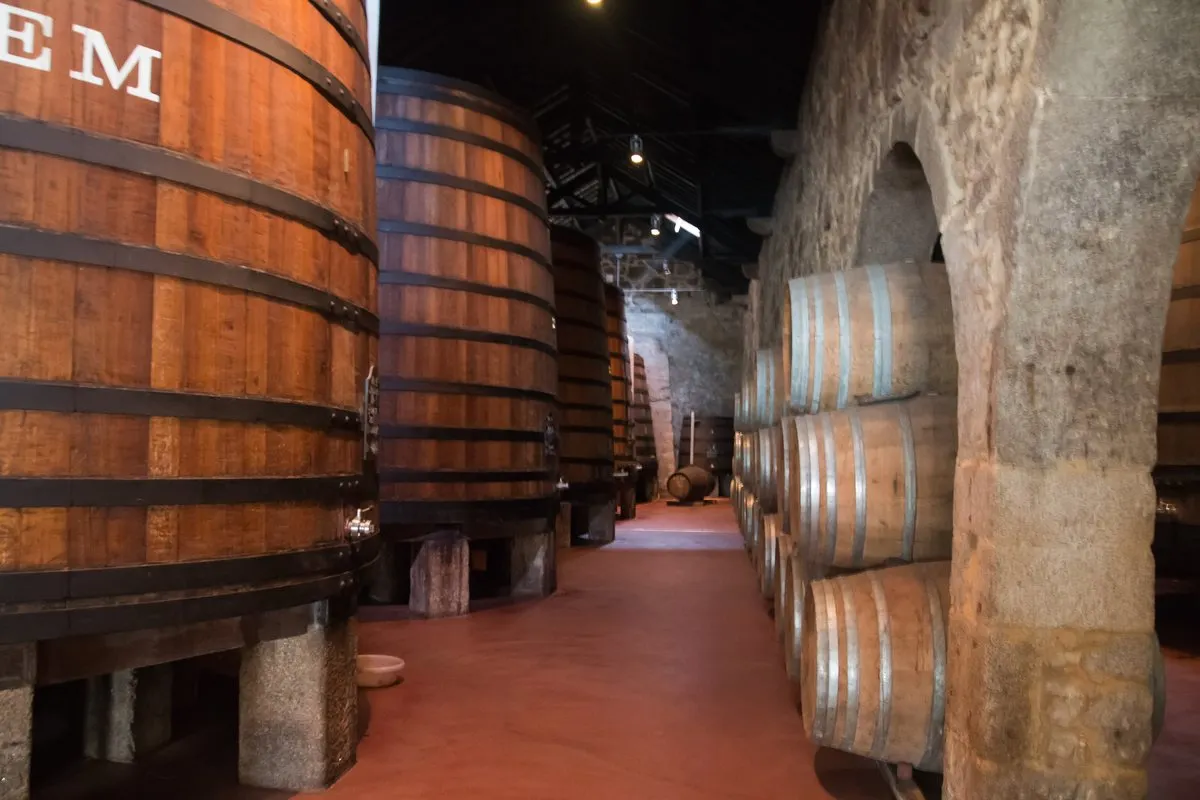
Rather than rushing between several lodges, choose two and take a premium tasting at each, comparing an aged tawny with a vintage. The cellars, with their rows of huge vats and smaller casks stacked in the half-light, are atmospheric in themselves.
04Beyond the cellars
In recent years the Gaia riverside has been transformed. WOW, World of Wine, a cultural quarter of museums, restaurants and bars, occupies a group of restored old lodges on the hillside. A cable car runs along the waterfront from the riverbank to the upper town near the Jardim do Morro, the hilltop garden beside the Serra do Pilar monastery.
05The view from Serra do Pilar
End the day at the terrace of the Serra do Pilar monastery, which played a key role in defending Porto during the siege of 1832 and now forms part of the UNESCO World Heritage site with the old town opposite. From here the whole of Porto rises before you across the river, with the Dom Luís I Bridge in the foreground. At sunset, with a glass of tawny, it is unforgettable. Walk back across the bridge's upper deck to Porto for dinner.
Find our guides to Porto's old town and the Douro Valley among the Metro Mode destinations, explore Metro Mode's world city guides, and browse our travel section in English.