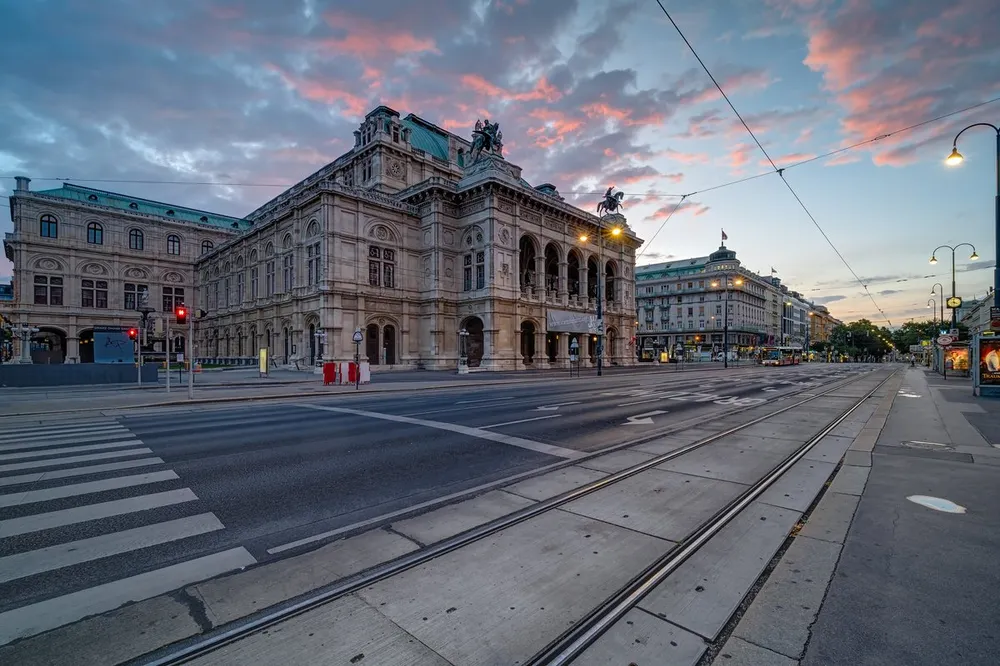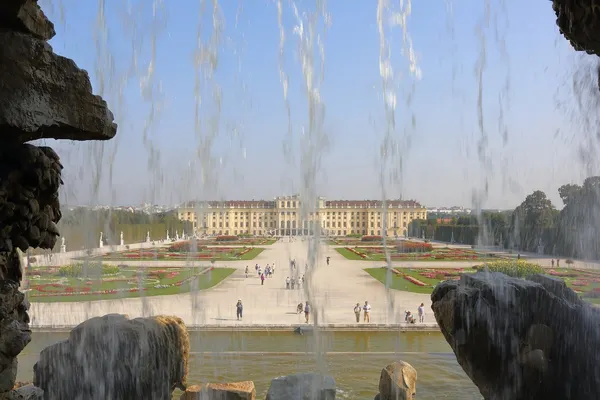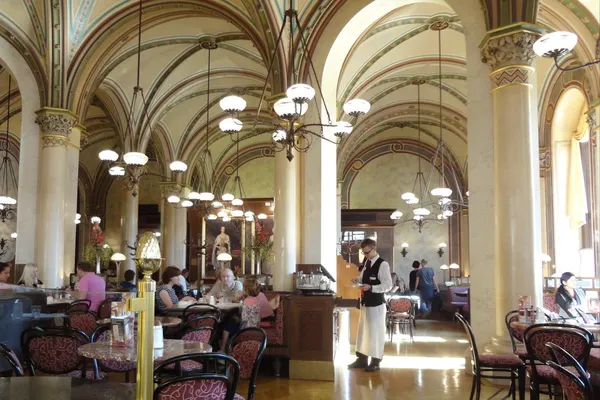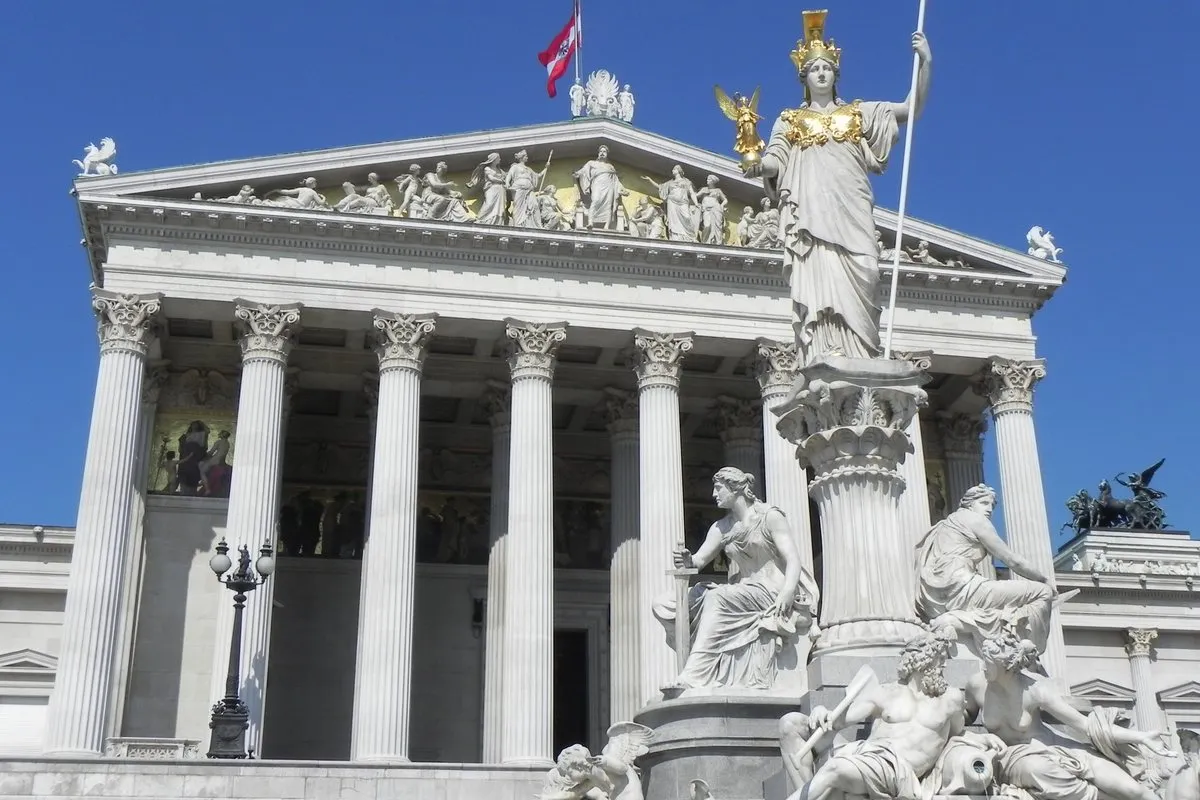
In 1857 Emperor Franz Joseph ordered Vienna's city walls torn down, and in their place rose the Ringstrasse: a 5.3-kilometre boulevard lined with the State Opera, the Parliament, the City Hall, the great museums and the palaces of the new rich. It is the best walk – or tram ride – in the city.
In this story · 4 sections
The Ringstrasse circles Vienna's Innere Stadt, the old city centre, on the line of the fortifications that once enclosed it. For centuries the walls were surrounded by a glacis about 500 metres wide, where building and planting were forbidden. In 1857 Emperor Franz Joseph I issued the decree known by its opening words, "Es ist Mein Wille" – "It is my will" – ordering the walls and moats demolished and setting out the dimensions of the new boulevard and the buildings planned along it. Construction continued until 1913, when the Ministry of War was completed.
Ringstrasse
Boulevard · Innere Stadt
- Address
- Ringstraße, Vienna
- Decree
- 1857
- Length
- 5.3 km
- State Opera
- Opened 1869
- Postal Savings Bank
- Otto Wagner, 1906
- Ministry of War
- Completed 1913
- Tram line 2
- On the Ring since 1907
Opera, Parliament, City Hall and the museums along a 5.3-kilometre ring.
01Nine rings, one boulevard
The Ring is 5.3 kilometres long and is divided into nine named sections: Stubenring, Parkring, Schubertring, Kärntner Ring, Opernring, Burgring, Dr.-Karl-Renner-Ring, Universitätsring and Schottenring. Its buildings were raised in a historicist mix of styles so characteristic that it has its own name, Ringstraßenstil, and the boulevard is part of the Historic Centre of Vienna World Heritage Site.
02The State Opera, Parliament and City Hall
The State Opera was the first major building on the Ring, opening in 1869. Along the boulevard stand the Parliament, the City Hall, the Burgtheater, the University and the Votivkirche, together with the Kunsthistorisches and Naturhistorisches museums, the old Stock Exchange, the Museum of Applied Arts (MAK) and Otto Wagner's Art Nouveau Postal Savings Bank of 1906.
03Palais Ephrussi, Palais Epstein and the Ring hotels
Between the public buildings rose private palaces for the bankers and industrialists of the age, among them Palais Ephrussi and Palais Epstein. The boulevard is also lined with grand hotels, including the Hotel Imperial and the Grand Hotel Wien. Not everything survived: the Ringtheater burned in 1881 with the loss of several hundred lives, and Theophil von Hansen's Heinrichhof stood until 1954 after wartime damage.
04How to see the Ringstrasse
Walk it in sections, or ride trams 1 and 2, which run partly around the Ring – line 2 has run along the street since 1907. Start at the Opera and continue towards the Parliament and City Hall. Read Metro Mode's Vienna guide (in Swedish), browse Metro Mode Travel, and find more city guides among metromode.co's destinations.