Corn and many beans were first cultivated here, ninety per cent of Mexico's mezcal is made here, and a market hall sizzles with meat grilled to order. A guide to eating in Oaxaca – with a morning at Monte Albán to work up an appetite.
In this story · 6 sections
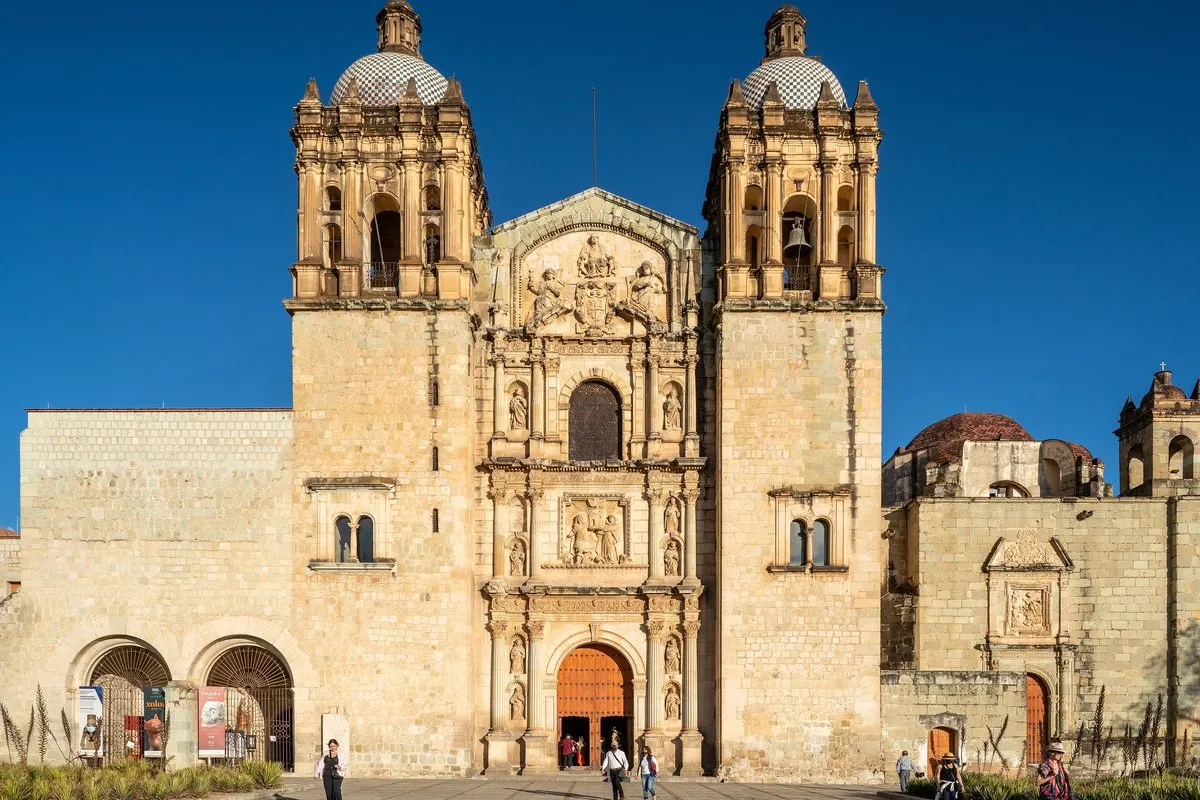
Oaxaca de Juárez, usually just Oaxaca, is the capital of the southern Mexican state of the same name, set in the Central Valleys at the foot of the Cerro del Fortín. Its name comes from the Nahuatl Huaxyacac, among the huaje trees; de Juárez was added in 1872 in honour of Benito Juárez, the Oaxacan who became president. Known as the green Antequera for the native green stone of its colonial buildings, the city and the nearby ruins of Monte Albán have been a World Heritage Site since 1987. Every summer it hosts the Guelaguetza, a month-long festival of dance and music from the state's seven regions.
Above all, though, Oaxaca is one of Mexico's great food cities. Its cuisine is internationally known, praised by the cookery writers Diana Kennedy and Rick Bayless, and often described as the most varied in the country.
01Why Oaxacan food is different
Corn and many beans were first cultivated in Oaxaca, and corn has been Mexico's staple for more than 7,000 years. The state's mountain ranges create many climates – a seafood coast, vegetable-growing valleys, tropical fruit near Veracruz – and seventeen recognised Indigenous groups add their own traditions. Tortillas, called blandas here, come with almost every meal. The defining chilli is the pasilla oaxaqueña, and the herbs include hoja santa, epazote and pitiona. Oaxaca is also a poor state, where many still struggle to eat well – worth remembering amid the feasting.
02What to eat
Start with the moles: Oaxaca is famous for seven notable varieties of the complex sauces, including mole verde with hoja santa. Try a tlayuda, a large chewy tortilla topped with beans, guacamole, meat or seafood and cheese, and the traditional Oaxacan tamal, large, wrapped in banana leaf and filled with mole. Quesillo, the stringy Oaxaca cheese, turns up in empanadas, tortas and tlayudas. Black beans are cooked with aniseed. Be brave with chapulines, grasshoppers, one of the region's best-known foods, and finish with ice cream flavoured with rose petals.
Chocolate is drunk hot, spiced and flavoured, sometimes with almond, coffee or orange. The local way to have it is with pan de yema, a rich egg bread.
03The 20 de Noviembre market
Much of Oaxaca's cooking is best experienced in its markets, which all have food stands among the stalls of ingredients. The best known is the 20 de Noviembre market, where stands serve everything from moles to hot chocolate with pan de yema. One section specialises in meat – tasajo and chorizo grilled to order and eaten with large corn tortillas, guacamole and grilled vegetables. Go hungry and follow the smoke.
04Mezcal
Some 90 per cent of Mexico's mezcal comes from Oaxaca. The spirit can be made from any agave – more than 30 species and varieties are used – from the plant's heart, and its name comes from the Nahuatl for baked agave. Tequila, made only from blue agave, is technically a type of mezcal. Pre-Hispanic peoples fermented agave into pulque; distillation arrived in the colonial era with Filipino sailors and settlers on the Manila galleons, who brought simple stills that are still known as Filipino stills. In Oaxaca, mezcal is drunk straight, and it has a strong smoky flavour.
05A morning at Monte Albán
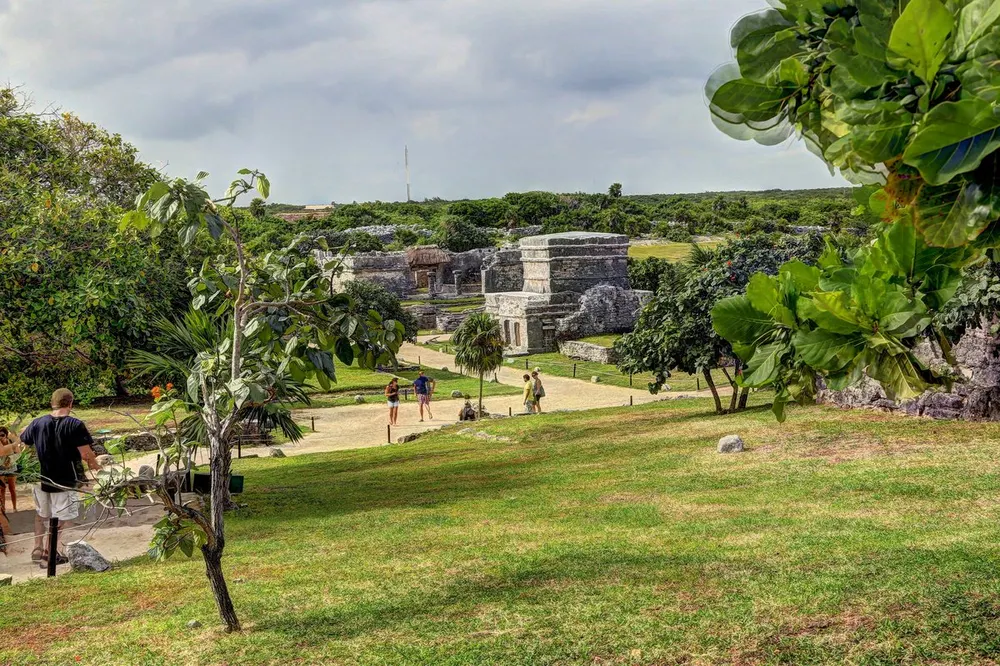
Before lunch, drive up to Monte Albán, on a levelled ridge above the valley west of the city. Founded around 500 BC, it was one of the earliest cities in Mesoamerica and for nearly a thousand years the pre-eminent Zapotec centre, until it was largely abandoned after about 750. Much of what you see was excavated and reconstructed from 1931 under the archaeologist Alfonso Caso, whose team uncovered hundreds of tombs, among them the celebrated Tomb 7.
06Planning
Come in July for the Guelaguetza, or at any time to eat. More food cities and destinations are on our destinations page, the Metro Mode home page and our list of hotels worth a single night.