The Promenade des Anglais in Nice began as a charity project for the city's poor in the winter of 1820. Today it runs from the airport to the old town along the Baie des Anges, lined with Belle Époque and Art Deco palaces. A walk along Nice's seafront promenade, with the history behind the buildings.
In this story · 6 sections
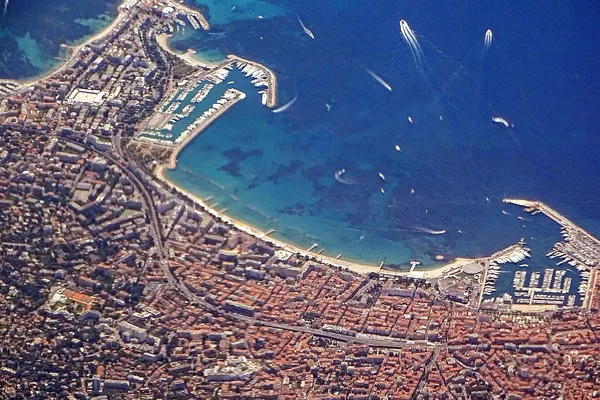
Nice is a prefecture in the Alpes-Maritimes department and the second-largest French city on the Mediterranean after Marseille, at the foot of the Alps. Greeks from Marseille founded a settlement here around 350 BC, which they called Nikaia, after the goddess of victory, Nike. From 1388, the city belonged to Savoy and then to the Kingdom of Piedmont-Sardinia, until it became French in 1860. The Promenade des Anglais, which runs along the Mediterranean from Nice Côte d'Azur Airport in the west to Quai des États-Unis in the east, forms part of the RN 98 road between Toulon and Menton.
011820 – a road built in winter
From the second half of the 18th century, the English aristocracy began wintering in Nice for the sake of the mild climate and the view. The winter of 1820 was unusually harsh further north, and many beggars sought refuge in the city. Some of the Englishmen suggested that they could be given work building a promenade along the sea, financed by the Reverend Lewis Way and the members of the Anglican Holy Trinity congregation in Nice. The city took up the idea and expanded the project considerably.
The people of Nice called the road Camin deis Anglés, the Englishmen's way, in their dialect. After Nice became French in 1860, it was given the name Promenade des Anglais. For the residents, it is today simply la Promenade or, in short, La Prom – full of cyclists, prams and families, especially on Sundays, and popular among skateboarders and inline skaters.
02Palais de la Méditerranée – Art Deco by the water
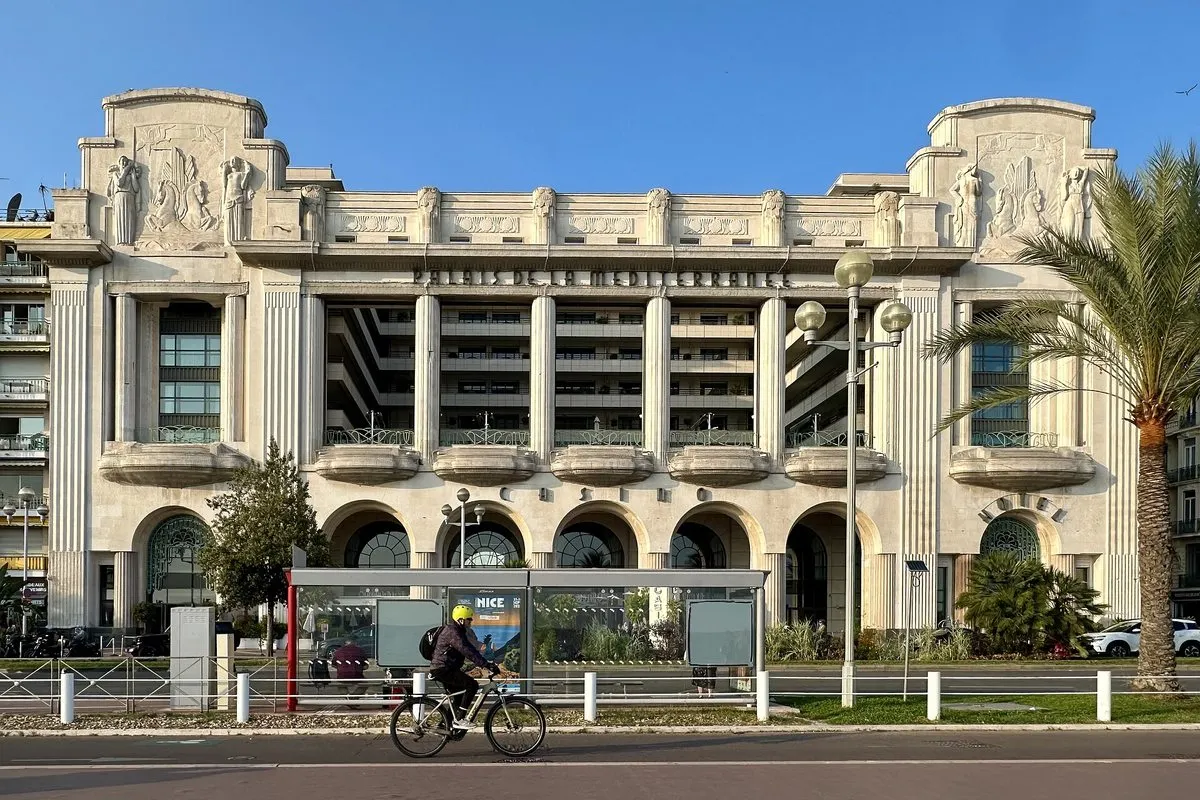
After the First World War, the wealthy winter visitors returned, and the new palaces were built by the sea instead of on the hills. At 13 Promenade des Anglais stands the Palais de la Méditerranée, a casino financed by the American financier Frank Jay Gould, designed by the architectural firm Dalmas and built in 1927–1928. It was inaugurated in 1929. The plan recalls the façade of the Paris Opera, the reinforced concrete gave spans not previously seen, and the façade facing the sea is adorned with female figures and seahorses by the sculptor Antoine Sartorio. The façades facing the promenade and the Rue du Congrès have been protected as a historic monument since 18 August 1989. Today the building is a hotel, with the casino in the neighbouring building.
03Negresco – the pink dome
Further west stands the Negresco, which the Romanian-born casino director Henri Negresco opened in 1913, with the pink dome designed by Édouard-Jean Niermans. During the First World War it became a hospital, and Negresco himself lost the hotel to his creditors. It is the promenade's most famous silhouette.
04Quai des États-Unis and the old town
In the east, the promenade merges into the Quai des États-Unis, the Quay of the United States, which leads to the old town and the cliff with the castle park. Here, the Promenade des Anglais ends, and Nice's historic core begins.
05A venue for great events
The promenade has been the stage for the Tour de France several times: the team time trial in 2013, the start and finish for the first two stages in 2020 and, due to the Olympics in Paris, the finish in 2024 instead of the Champs-Élysées. In 2026, stages 8 and 9 of the Tour de France Femmes finished here. It also bears a darker memory: on Bastille Day, 14 July 2016, a terrorist drove a lorry into the crowd on the promenade. 86 people died and 458 were injured.
06How to do the walk
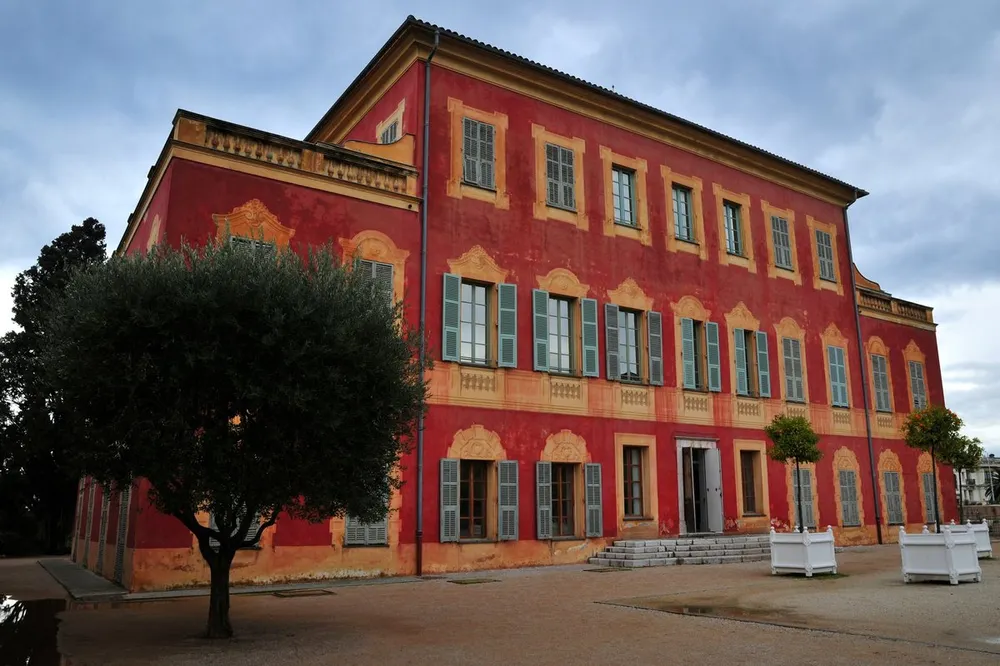
The walk is long, and the best part for the architecture is the eastern side, from the Negresco past the Palais de la Méditerranée towards the Quai des États-Unis. Go in the morning with the sun at your back, or in the evening when the locals take their stroll. From the old town it is then a short distance up to the hill of Cimiez with the Musée Matisse and the Roman ruins.
More destinations on the Riviera can be found among Metro Mode's destinations and in Metro Mode's Monaco guide – Monaco is a short train journey to the east. Also read our walk through Old Antibes and find property data for the coast at VERA PI.