In this story · 7 sections
Packing for the French Riviera looks easy: swimwear, linen, sunglasses. And for days on the beach it is. But the coast has a quiet set of rules that catch visitors out, from municipal bans on walking through town in a bikini to dress codes at the casino and on the red carpet in Cannes. A little knowledge makes the difference between blending in and being turned away – or fined.
01Swimwear stays on the beach
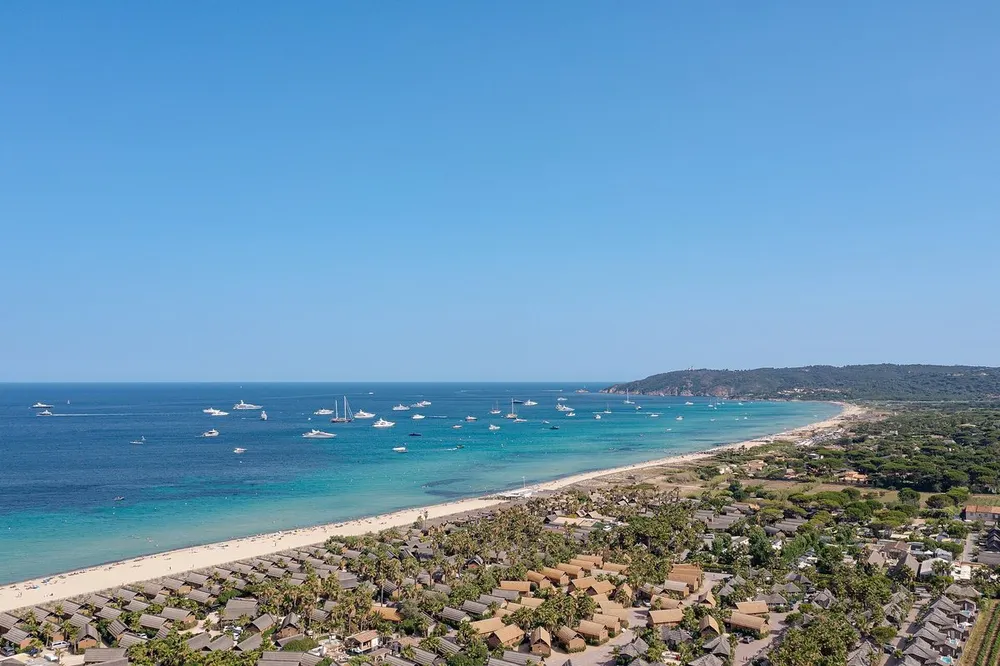
Several Riviera towns ban swimwear away from the beach. According to Monaco Life, bans are in force in Menton, Nice, Cannes, Saint-Tropez, Sainte-Maxime, Saint-Raphaël and Bandol. Nice can impose a fine of €35; in Saint-Raphaël, clothing "obviously contrary to decency" can draw a €150 fine. Antibes, the same report notes, has no such rule. The practical answer is simple: pack a cover-up, a shirt or a light dress that goes over swimwear, and put it on when you leave the sand for the promenade or the old town.
02The Casino de Monte-Carlo
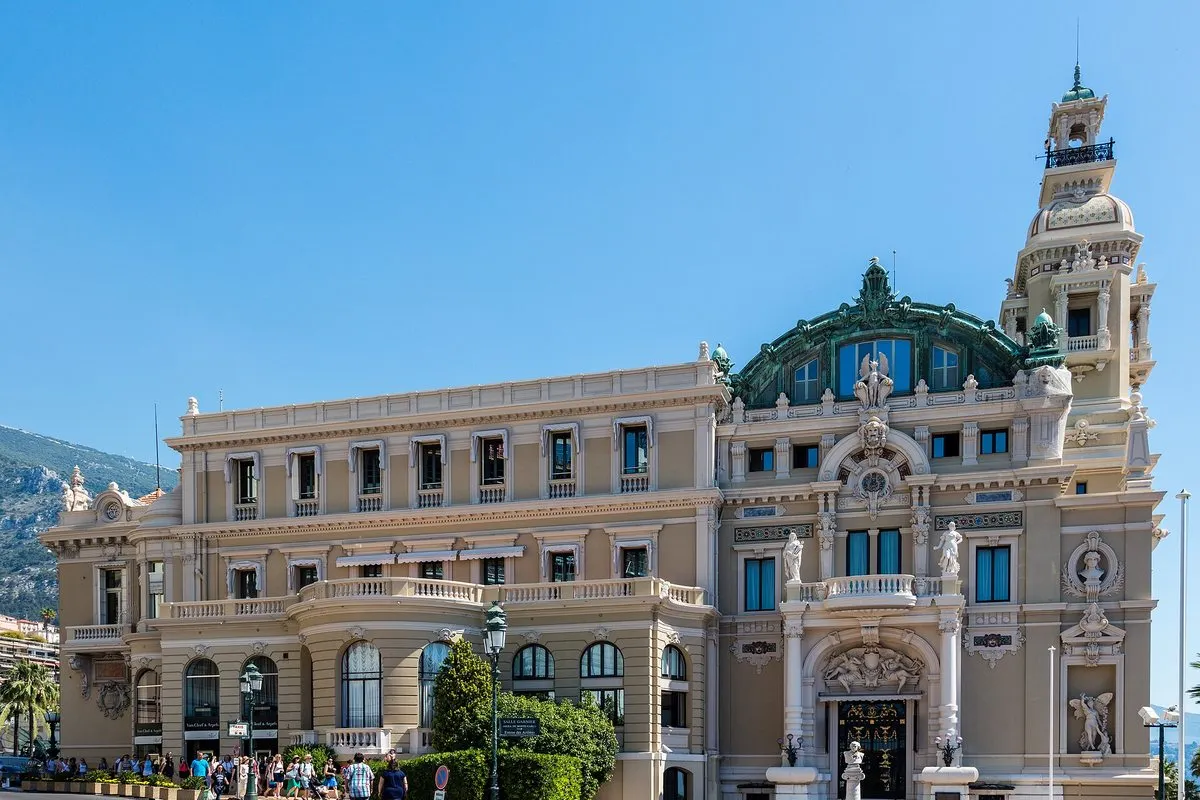
The casino's gaming rooms have a dress code. Hello Monaco explains that visitors may enter the main areas in shorts, but in the gaming rooms shorts and beach dresses, sportswear, T-shirts and short-sleeved shirts, sweatshirts, flip-flops and sandals are not allowed. In the afternoon and evening, dark jeans and dark trainers may pass; some rooms may require men to wear a jacket. Bring identification – it is checked at the entrance, and Monégasque citizens are not permitted to gamble. For everything else in the principality, see vpios.com/monaco.
03Cannes in May
If you hold an invitation to an evening screening at the Cannes Film Festival, dress formally and follow the instructions on the invitation. The festival's red carpet has its own history of rules: in 2015 a number of women were stopped from entering a premiere for wearing flat shoes rather than heels, an episode the press called Heelgate.
04A summer wardrobe: June to September
Summer in Nice is warm to hot, dry and sunny, with average highs around 27 to 28 °C in July and August and very little rain. Natural fabrics earn their place: linen and cotton shirts, light trousers, simple dresses, and one smarter outfit per person for dinner. Add flat sandals for cobbled old towns and a pair of shoes you can wear to a good restaurant. Swimwear, a cover-up and a hat go without saying, as do sunglasses and high-factor sun protection. For inspiration, see our edit of Riviera-chic pieces and our fashion section.
05Spring and autumn: layers
Spring starts cool and often rainy in late March and warms through May; autumn begins sunny in September and grows cloudier and rainier into October, with temperatures usually above 20 °C until November. These are the months for layers: a light knit, a jacket for the evening and a compact umbrella. The sea is still around 19 °C in October, so keep the swimwear in the case.
06Winter: mild, not warm
Winter days in Nice are typically 11 to 17 °C with cool nights of 4 to 9 °C, and the weather is variable – dry and bright one day, damp the next. A wool coat, a scarf and waterproof shoes cover most of it. Frost is unusual and snow rare. Bring sunglasses anyway.
07Small things that matter
Comfortable shoes for hill villages and the old towns of Nice and Antibes. A small bag that closes properly in crowded places. A shirt with sleeves, or a scarf, for visiting churches. A copy of any booking or invitation that comes with a dress instruction. And space in the case for markets and boutiques. More ideas for the trip in our travel section.