On the calm Caribbean side of Barbados, a stream called the Hole gave the first English settlers a safe landing in 1627. A day along the sheltered west coast, from the island's oldest church to the old sugar port they still call Little Bristol.
In this story · 5 sections
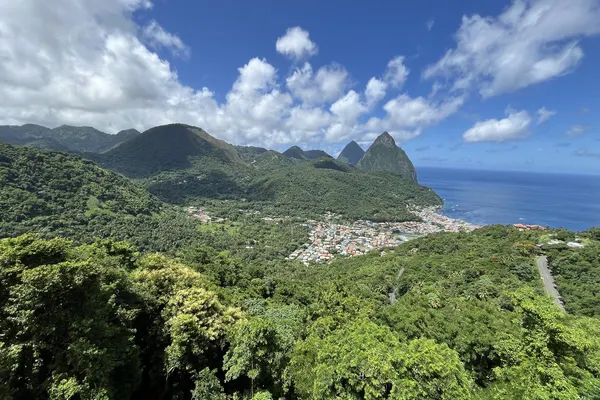
Barbados is the easternmost island of the Caribbean, an independent nation in the Lesser Antilles with its capital at Bridgetown. Its name comes from the Portuguese or Spanish for the bearded ones – perhaps after the hanging roots of the island's bearded fig trees. Barbadians often call their home Bim, a word the National Cultural Foundation traces to the Igbo for my home. The island became independent on 30 November 1966 and, exactly 55 years later, in 2021, a republic within the Commonwealth with a ceremonial president.
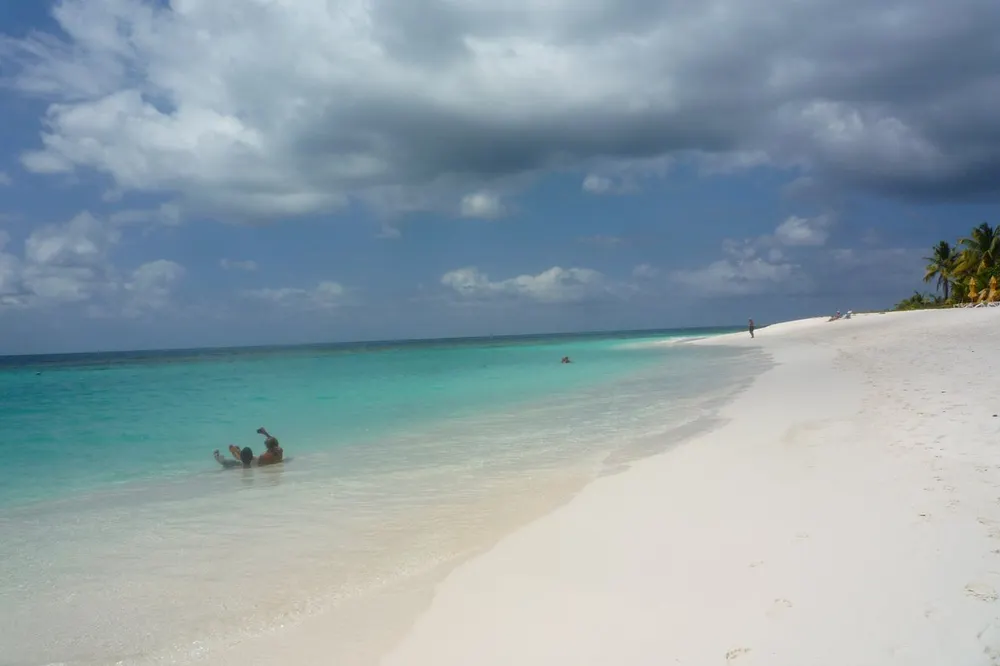
Barbados ranks among the Caribbean's leading destinations, and much of its most celebrated coastline lies on the sheltered west side, facing the calm Caribbean Sea. It is also where the English colony began.
01A colony built on sugar
Kalinago people lived here from the thirteenth century, after earlier Indigenous peoples; their name for the island has been rendered as red land with white teeth, after the reefs. By the time the English arrived the Indigenous population had been largely destroyed by slavery and disease. English sailors claimed the island in 1625, and the first permanent settlers came in 1627. The plantation economy relied first on Irish indentured servants and then on enslaved Africans, whose descendants make up more than 90 per cent of the population today. Slavery ended with the Abolition Act of 1833.
02Holetown: the landing place
Start in Holetown, in the parish of St James. In 1625 an English ship blown off course claimed the island here, and on 17 February 1627 the settlers' ship, the Olive Blossom, returned under Captain Henry Powell with the merchant Sir William Courteen's backers and the first colonists. They landed at a stream called the Hole, which gave the town its name; until 1629 it was the island's only town. A monument marks the landing, though it gives the date, wrongly, as 1605. Since 1977 the Holetown Festival has celebrated the anniversary each February.
Holetown also claims the island's first plantations, its first fortification, its first court and its first Governor's House. St James Parish Church, first erected in 1628, a year after the landing, is the oldest church on the island. The capital later moved south to Bridgetown on Carlisle Bay.
03Speightstown: Little Bristol
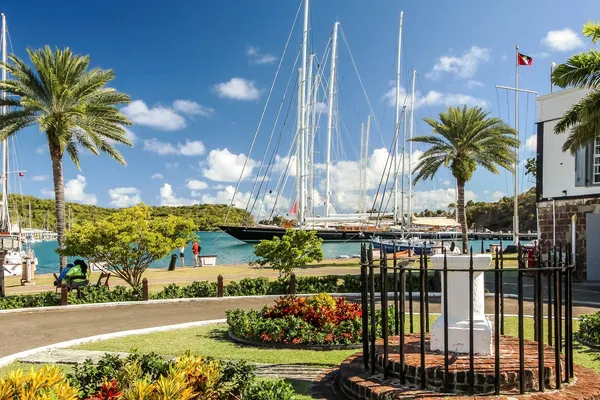
Drive north along Highway 1 to Speightstown, in the parish of St Peter, the second-largest town in Barbados. Named after William Speight, who owned the land and sat in the island's first Assembly, it was settled around 1630 and was for a time Barbados's busiest port. Ships loaded with sugar sailed from here straight to London and above all to Bristol – hence its nickname, Little Bristol. Today it is a small town with a tourist quarter and shops, and the subject of a community archaeology project begun in 2010.
Speightstown has a surprising link with the American South. When Barbados turned wholesale to sugar, many tobacco, cotton and indigo planters left from here with the people they enslaved and helped found Charleston, South Carolina; the two towns have been twinned since 1997. The actress Claudette Colbert spent six months of every year in Speightstown after her retirement and is buried here.
04The coast between
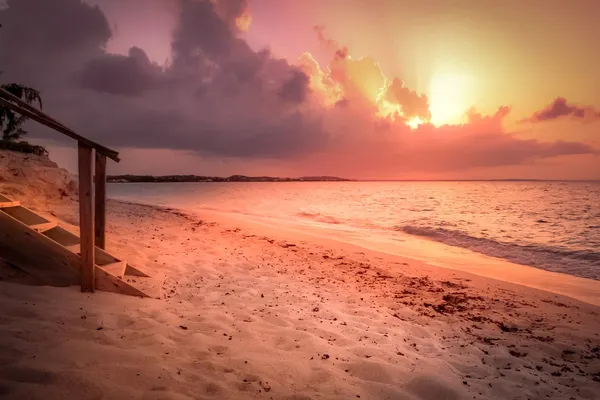
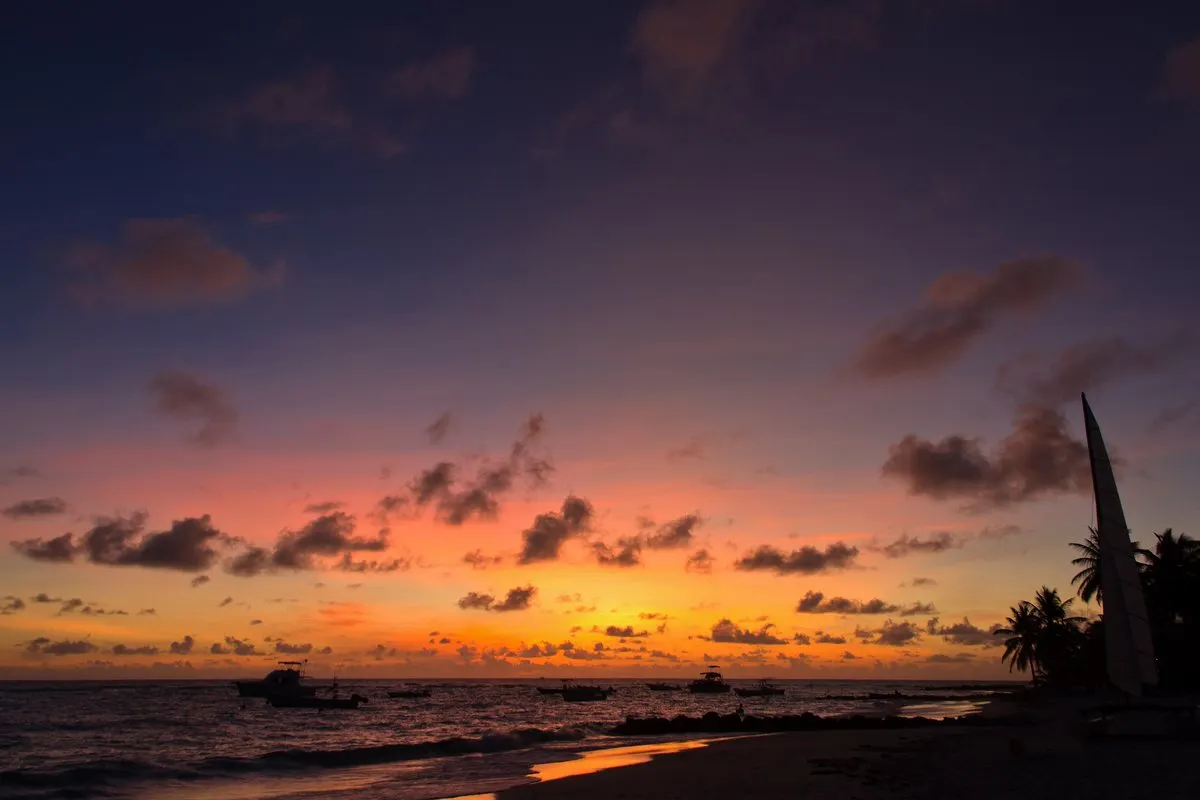
Between the two towns, the west coast is lined with beaches facing west over calm water – which means sunsets. Take your time: swim in the morning, explore the towns in the afternoon and watch the sun go down from the sand. Near Holetown, McGill University's Bellairs Research Institute studies the island's marine life.
05Planning
Time a visit for February if you want to catch the Holetown Festival. For more ideas, see our destinations, the Metro Mode home page and our pick of hotels worth a single night.