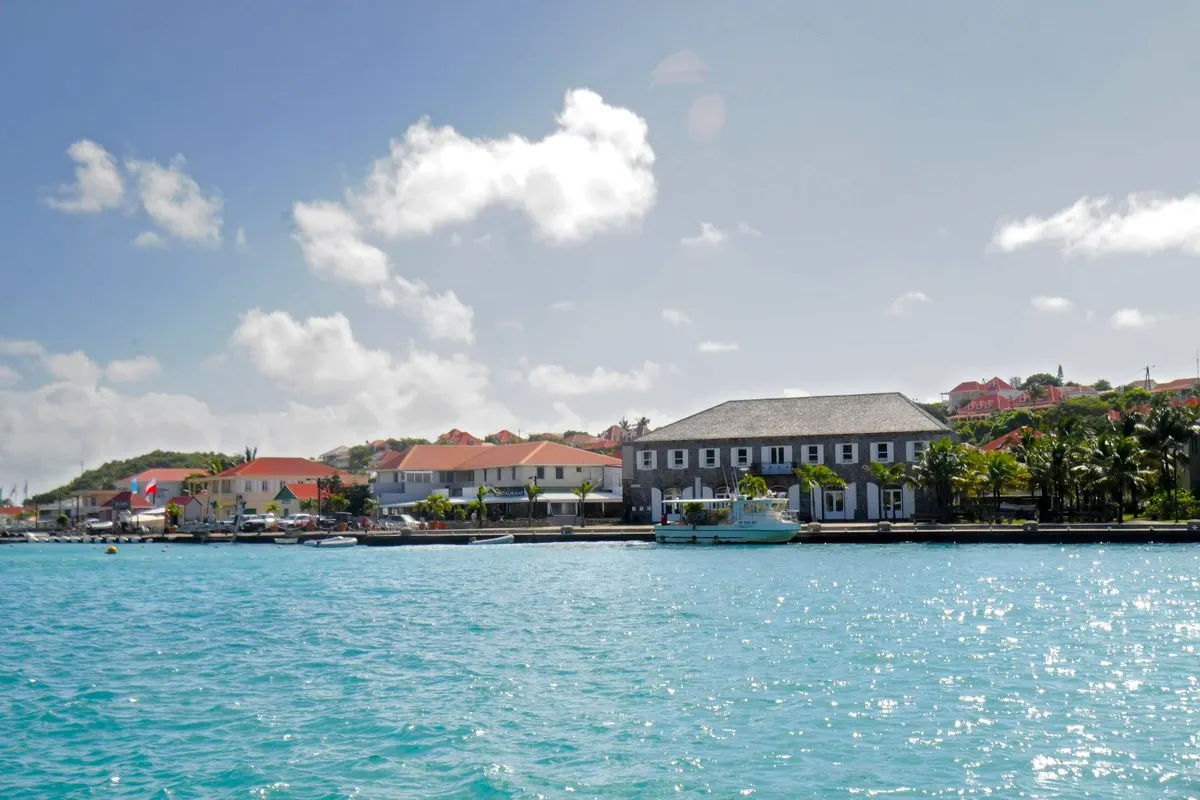
A small volcanic island ringed by reefs, French in language and table, with three Swedish crowns on its coat of arms and a capital named after a Swedish king. St Barths beyond the yachts: its history, its harbour and its beaches.
In this story · 5 sections
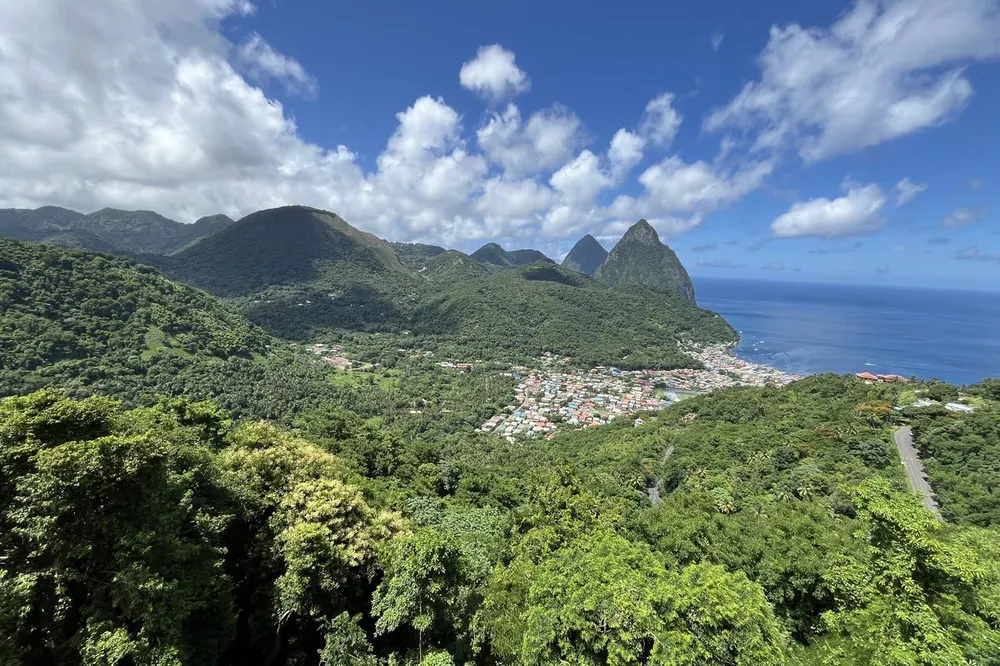
Saint Barthélemy – St Barths or St Barts in English, St Barth in French – is a French overseas collectivity in the Leeward Islands, south-east of Saint Martin. It is a small volcanic island, fully encircled by shallow reefs, with 10,660 inhabitants at the 2023 census. Its language, cuisine and culture are French Caribbean, its currency is the euro, and in the winter season it is one of the most exclusive destinations in the Caribbean.
It is also, uniquely, the only Caribbean island that was a Swedish colony for any significant length of time – which is why the Three Crowns of the Swedish arms appear on its coat of arms, and why its capital is called Gustavia.
01From Ouanalao to the Swedish crown
Taíno and Arawak people may have visited the island, which they called Ouanalao, but its lack of fresh water and poor soil probably kept them from settling. Christopher Columbus named it in 1493 after Bartholomew the Apostle – and, it is said, his brother Bartholomew. French settlers arrived in 1648 and grew cacao, but the island proved unprofitable, harried by pirates and briefly captured by the British in 1744.
In 1784 Louis XVI, deeming it of little worth, traded it to Sweden in exchange for trading privileges in Gothenburg. The Swedes made the harbour town, until then known as Le Carénage after the shelter it gave to damaged ships, a free port and renamed it Gustavia after their king, Gustav III; the name first appears in the archives in the winter of 1786–87. The free port prospered during the Napoleonic Wars.
The Swedish era also had its darker side: slavery was practised under an ordinance of 1787, and the last legally owned slaves were freed by the state in October 1847. A hurricane in 1850 and a fire in 1852 crippled the economy, and after a referendum in 1877 Sweden sold the island back to France in 1878.
02Gustavia: harbour, churches and forts
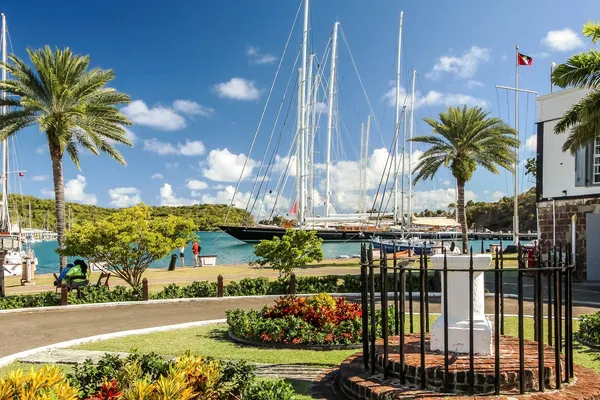
Gustavia wraps around its harbour, and its high-end boutiques are an essential source of revenue for the island. Walk the waterfront to St Bartholomew's Anglican Church, built in 1855, and up to the Roman Catholic church of Our Lady of the Assumption, built in 1829. A museum stands at the end of Victor Schœlcher Road on the peninsula, and there is still a Royal Swedish Consulate in town.
Three forts built in the eighteenth century guarded the harbour. Fort Oscar, formerly Gustav Adolf, at the tip of the peninsula, now houses the gendarmerie. The sites of Fort Karl, above Shell Beach south of town, and Fort Gustav, at the foot of the Gustavia lighthouse to the north, are popular with walkers and give the best views over the harbour.
03Shell Beach and Saint-Jean
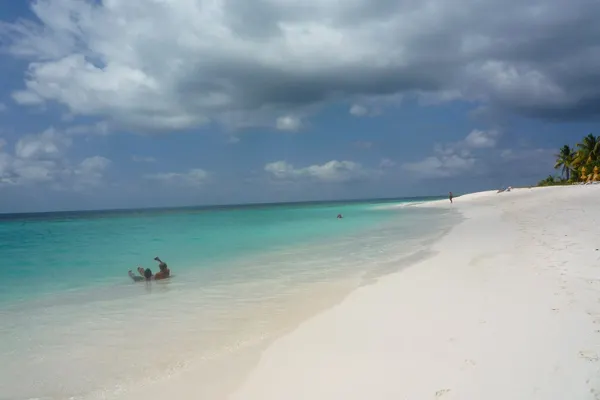
From the Fort Karl path, drop down to Shell Beach, the beach closest to town. For a different side of the island, head to Saint-Jean in the north, the quartier closest to the airstrip; it was the landing strip, able to take mid-sized aircraft, that opened St Barths to organised tourism from the 1960s and 1970s.
04A playground for the famous
As hotels arrived, the island became known as a discreet hideaway, frequented over the years by Greta Garbo, Howard Hughes, David Rockefeller, Benjamin de Rothschild and Johnny Hallyday, among many others. Before that, life was hard: with few prospects at home, many island men worked on Saint Thomas to support their families. The islanders became French citizens with full rights only in March 1946.
05When to go
The climate is tropical, cooled by the trade winds. The dry season, called Carême (Lent), is the high season; between May and November the air is more humid and short showers of ten to fifteen minutes pass through. For more, see our destinations, the Metro Mode home page and our guide to Monaco.