The popes' wine in the north, mourvèdre on terraces facing the sea in the south, and the rosé that has become Provence's signature in between. A guide to the wines in and around Provence – with dates, grape varieties and what's worth travelling for.
In this story · 4 sections
Provence is one of France's oldest wine regions, and wine is as much a part of the landscape as the lavender and the olive groves. But the wines here are very different: from the powerful reds of Châteauneuf-du-Pape, by the Rhône north of Avignon, to the mourvèdre on the terraces above Bandol and the pale rosé grown across most of Var and Bouches-du-Rhône.
Here are the key areas for anyone travelling for the sake of wine, with facts about the appellations and what sets them apart. More about the wine villages can be found on VERA PI's map of Vaucluse.
01Châteauneuf-du-Pape – the popes' wine
Châteauneuf-du-Pape is situated just north of Avignon in Vaucluse and strictly belongs to the southern Rhône Valley. The name means the Pope's new castle: during the 14th century, when the popes lived in Avignon, a summer castle was built here, and the ruin of its tower still stands on the hill above the village with views over the Rhône. The wines are mainly red and made from a blend of several grapes, in which grenache dominates.
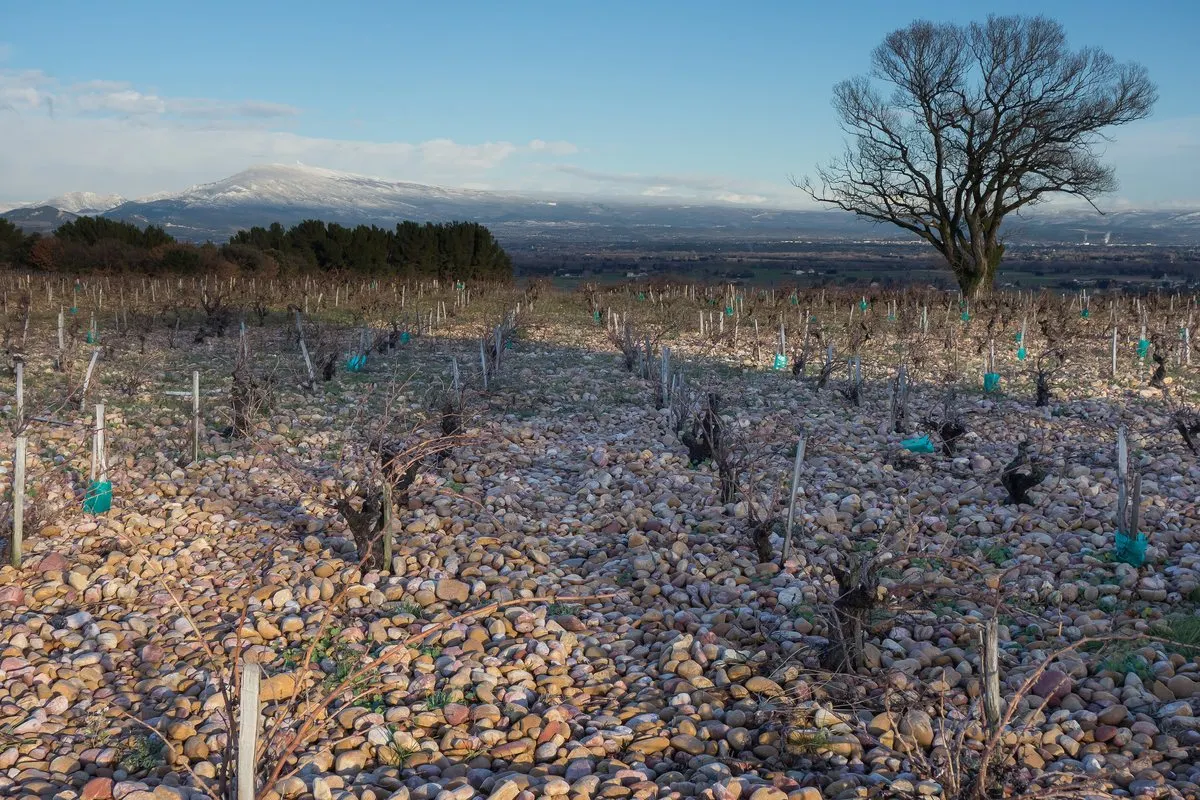
Châteauneuf-du-Pape was one of the first areas in France to be given rules for its wine, and it is among the oldest French appellations. The soil is known for the round stones, galets roulés, which store the warmth of the day. The village is small and full of wine cellars that welcome visitors. According to VERA PI, the village has 2,045 inhabitants – see VERA PI's page on Châteauneuf-du-Pape.
02Bandol – mourvèdre against the sea
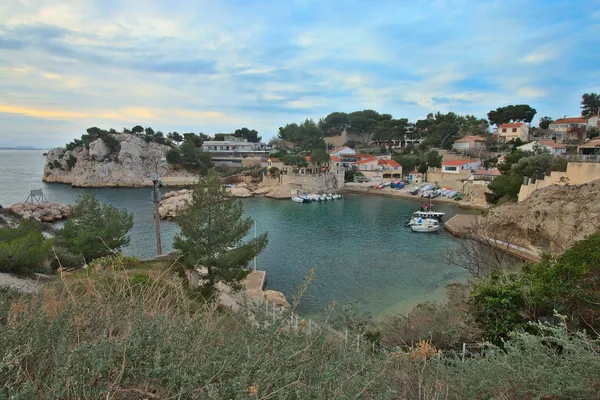
Right at the southern tip, in Var between Marseille and Toulon, lies Bandol, which is often regarded as Provence's finest red wine. The appellation was recognised by decree on 11 November 1941. The vineyards, around 1,500 hectares across eight communes, lie on terraces, restanques, facing the sea. The most important grape is mourvèdre, which must make up between 50 and 95 per cent of the red wines, producing powerful wines capable of long ageing.
Bandol's rosé is also more structured than the usual Provençal one, thanks to the proportion of mourvèdre. The villages within the appellation, such as Le Castellet and La Cadière-d'Azur, lie on the hills above the coast and are worth a visit in their own right.
03Côtes de Provence – the kingdom of rosé
Côtes de Provence is the large appellation, mainly in Var and partly in Bouches-du-Rhône. It was recognised as an AOC by a decree dated 24 October 1977. Around 90 per cent of production is rosé, with the remainder red and white. In 2024, the appellation covered 19,874 hectares, and within it there are geographical sub-zones, among them Sainte-Victoire at the foot of Cézanne's mountain.
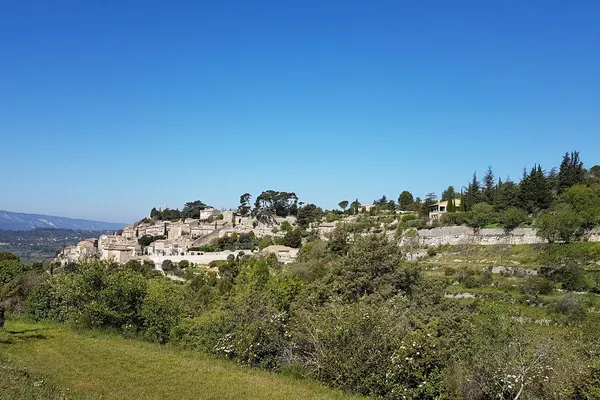
Rosé from Provence has become one of the most famous wine styles in the world, pale and dry. Anyone who wants to see where it comes from can drive through the inland of Var, where the vineyards lie between small villages, pine forests and limestone mountains.
04Les Baux and Château La Coste
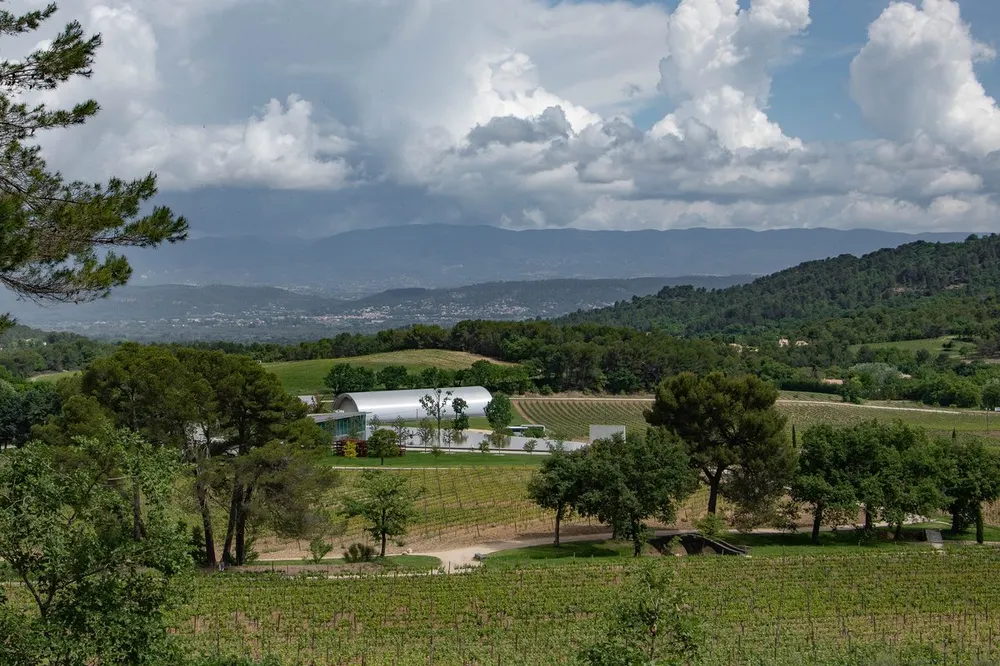
In the Alpilles, the wines of Les Baux-de-Provence received their AOC in 1995 for red and rosé. North of Aix-en-Provence lies Château La Coste, the vineyard where the wine is made in Jean Nouvel's wine cellar from 2008 and where an art walk runs between the vine rows. It's one of the best places in Provence to combine wine, art and architecture in a single day.
At a glance
Appellations at a glance
| Appellation | Recognised | Characteristics |
|---|---|---|
| Bandol | 11 November 1941 | Mourvèdre, around 1,500 ha |
| Côtes de Provence | 24 October 1977 | Around 90% rosé, 19,874 ha (2024) |
| Les Baux-de-Provence | 1995 | Red and rosé, the Alpilles |
| Châteauneuf-du-Pape | One of the oldest in France | Grenache-dominated blends, galets roulés |
More destinations can be found among metromode.co's destinations, and those who want to stay among the vine rows can compare prices on VERA PI's page about Bandol.